How to Clean a New Construction Home
A newly built home often comes with dust, drywall mud, and construction debris that simple cleaning can’t fully address. This guide walks American homeowners and renters through a practical, step-by-step process to efficiently transform a fresh construction site into a move-in ready living space. It emphasizes safety, efficiency, and the right tools to achieve a spotless result.
From sealing dust-prone areas to tackling stubborn debris, understanding the sequence helps reduce re-cleaning and protects surfaces. The steps below balance quick wins with thorough cleaning, ensuring you don’t miss hidden dust in walls, vents, or floors.
Quick Answer
Start with containment and dust control, then vacuum with a high-quality shop vac, wipe surfaces, and finish with mopping. Work from the top down and from room to room to prevent recontamination. Keep a dedicated toolkit handy and schedule a second pass for high-traffic areas a day later.
A Quick List Of Tools And Materials
Before you begin, gather the following essential items. They are designed to handle typical new-construction dust, debris, and residues.
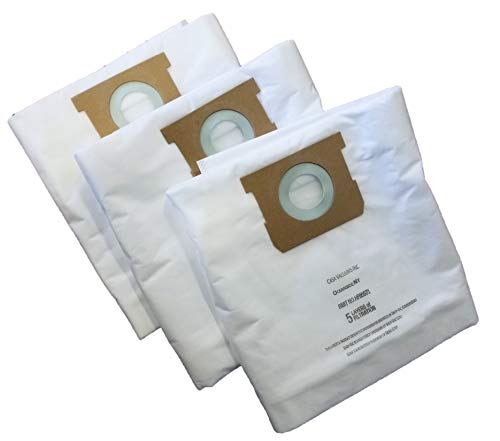
- 5 gallon HEPA shop vac for construction dust
- Microfiber mop with extendable handle for construction cleanup
- 6 mil plastic sheeting roll dust containment 12×100 ft
- Soft-bristle brushes and micro-fiber cloths
- All-purpose cleaner and mild detergent
- Trash bags and painter’s tape


Before You Start
Preparation is crucial for a safe and efficient cleanup. Ventilate the home by opening windows and doors where weather allows. Wear a dust mask with a respirator, safety goggles, and disposable gloves to protect eyes, lungs, and skin. Move heavy debris to a central staging area to avoid tripping hazards. Time estimates vary by home size, but plan for a half to full day for initial pass and another half day for detail cleaning.
Caution: Do not scrub aggressively on delicate finishes or newly installed surfaces. Use gentle strokes and test cleaners in inconspicuous areas first. Keep children and pets away from work zones to prevent exposure to dust and chemicals.
Step-By-Step: How To Clean A New Construction Home
- Seal off and contain dust by laying down 6 mil plastic sheeting over doorways to keep dust from migrating between rooms during the cleanup.
- Dust ceilings and walls using a microfiber cloth or a soft-bristle brush, working in small sections to dislodge settled dust.
- Vacuum ceilings, light fixtures, and corners with the 5 gallon HEPA shop vac for construction dust to capture fine particles.
- Move to wall surfaces and wipe them with a damp microfiber cloth, following the grain where applicable, and replace towels as they become dirty.
- Clean windows and sills with a mild cleaner, then wipe dry to remove streaks and dust buildup on glass surfaces.
- Vacuum floors and baseboards thoroughly, using the soft crevice tool to reach edges and tight spaces.
- Sweep or vacuum any dust from HVAC intakes and replace or clean air filters as needed to prevent circulated dust.
- Deep-clean bathrooms and kitchens, wiping countertops, sinks, and fixtures with a non-abrasive cleaner to remove dust and construction residues.
- Roll out plastic sheeting across stair landings and high-traffic areas to guard floors during final touches and ensure dust containment during mopping.
- Progressively mop hard floors with a microfiber mop, starting from the farthest room toward the entry, ensuring floors are dry before foot traffic returns.
- Do a second pass on high-traffic rooms and any area with visible dust accumulation to ensure a consistent, clean finish.
- Dispose of debris and used cleaning materials properly, leaving the space ready for final inspections or occupancy checks.
Troubleshooting
| Symptom | Likely Cause | Fix | Prevention |
|---|---|---|---|
| Dust appears on surfaces after cleaning | Improper containment or air movement | Re-seal dust barriers and re-run vacuum with HEPA filter | Keep doors/time windows closed during initial cleanup |
Common Mistakes
- Skipping top-down cleaning, which leads to recontamination on lower surfaces
- Over-wetting wood or laminate floors, causing warping or damage
- Using aggressive chemicals on delicate finishes or new hardware
- Neglecting HVAC dust build-up, which can spread dust during occupancy
Tips For Best Results
- Work in well-lit rooms to spot dust and debris more easily
- Use a HEPA-equipped vacuum for the first pass to capture fine particles
- Keep a dedicated cleanup kit separate from everyday cleaning supplies
- Document dust-prone areas and repeat cleaning in those zones
- Allow windows or doors to remain open during the first cleaning day for better ventilation
Call A Professional
Consider professional help if you encounter persistent dust in hidden cavities, extensive drywall mud residue, or intricate systems like HVAC plenums. Stop cleaning and call a pro if you notice mold, water damage, or compromised structural surfaces that require remediation. Immediate assistance is advisable for electrical or gas line concerns or any signs of ongoing moisture.
FAQ
How soon after construction should I start cleaning?
Begin as soon as debris is cleared and major dust settles, ideally within the first 24–48 hours for best results.
What equipment helps with long-term construction cleanup?
A 5 gallon HEPA shop vac and microfiber cleaning tools streamline ongoing cleanup and maintain air quality.
Is plastic sheeting necessary for every room?
Plastic sheeting helps contain dust in high-traffic areas and between rooms, particularly during rough cleanups.
Can I use regular household cleaners for new construction dust?
Yes, but use mild, non-abrasive cleaners and test on inconspicuous areas first to protect surfaces.
Buying Guide
When selecting cleaning gear for a new construction home, consider how size, noise, energy use, and controls fit your needs.
- <bSize and capacity: A larger-capacity vacuum reduces trips for big cleanups but should be manageable to transport through the home.
- <bNoise level: Quieter units minimize disruption in partially finished homes and prevent fatigue during long cleaning sessions.
- <bEnergy efficiency: Look for devices with efficient motors and good filtration to lower energy use while maintaining performance.
- <bControls and usability: Easy-to-use controls and accessible attachments save time during cleanup.
- <bContainment and safety: Dust containment features, like sealed vacuum bags or HEPA filters, help protect indoor air quality.
- <bPlacement and workflow: Plan how your gear will move through rooms, keeping hoses and cords out of walkways to prevent trips.
Consider pairing a high-capacity HEPA vacuum with a microfiber mop and a plastic containment setup for optimal results. For large homes, plan a staged cleaning schedule to maintain progress between construction milestones. If in doubt, assess the workload room by room and prioritize areas with the most dust and debris. A well-planned approach reduces repeat cleaning and makes moving in sooner more feasible.
Leave a Reply