How to Clean a Saline Nasal Spray Tip
Maintaining a clean saline nasal spray tip is essential for effective nasal care and to prevent irritation or infections. This guide walks through practical, user-safe steps for Americans using common nasal spray and irrigation products. Readers will learn how to clean the tip, what tools help, and best practices to keep devices sanitary between uses.
Quick Answer
Disassemble the spray tip, rinse with warm water, scrub with a cleaning brush, and air-dry on a clean surface. If applicable, use a saline nasal spray cleaning kit or a nasal irrigation kit with a tip cleaning brush to ensure thorough sanitization.
What You’ll Need
Before starting, gather the following tools. This list prioritizes the product keywords provided and common equivalents:
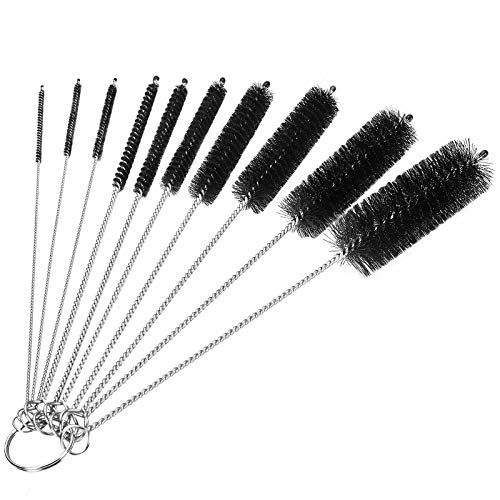
- nasal spray bottle cleaning brush
- saline nasal spray cleaning kit
- nasal irrigation kit with tip cleaning brush


Before You Start
Prepare a clean workspace and wash hands with soap and water. Check the device manual for any model-specific cleaning instructions. Avoid submerging the entire spray bottle if it isn’t designed for full immersion, as improper exposure can damage internal components. Allow extra time for drying to prevent microbial growth. A typical cleaning session takes about 5–10 minutes, plus drying time.
Step-By-Step: How To Clean A Saline Nasal Spray Tip
- Disassemble the spray bottle: remove the nozzle, tip, and any detachable mouthpiece according to the model’s instructions.
- Rinse components under warm running water to remove visible residues.
- Prepare a mild cleaning solution if recommended by the manufacturer; otherwise use plain warm water.
- Use the nasal spray bottle cleaning brush to scrub the interior nozzle and tip grooves gently.
- Rinse again to remove loosened debris and any cleaning solution residue.
- If a saline nasal spray cleaning kit is included, follow its specific brush or solution steps for enhanced sanitation.
- Stabilize the parts on a clean towel and allow them to air-dry completely in a well-ventilated area.
- Reassemble once all components are fully dry, ensuring a snug fit to prevent leaks.
- Perform a quick test with plain water before applying saline to confirm proper spray function.
- Replace any worn or cracked seals or gaskets as needed, per manufacturer guidance.
- Establish a cleaning routine after each use or at least several times per week for frequent users.
Troubleshooting
| Symptom | Likely Cause | Fix | Prevention |
|---|---|---|---|
| Tip sprays weakly or unevenly | Clogged or dirty nozzle | Thoroughly scrub and rinse; replace if persistent | Regular cleaning after use |
| Droplets leak from the base | Loose cap or seal | Check threads and reseat cap | Inspect seals during each cleaning |
| Cracking or discoloration of tip | Age or material wear | Replace with a compatible tip | Follow replacement schedule from kit |
| Foul odor after cleaning | Moisture trapped inside components | Ensure complete drying; use air-dry approach | Dry thoroughly before reassembly |
Common Mistakes
- Using hot water which can deform plastic parts
- Soaking components for prolonged periods unless advised
- Sharing spray tips between users, increasing cross-contamination risk
- Neglecting to dry parts completely, enabling mold growth
- Overlooking manufacturer guidelines when using cleaning solutions
Tips For Best Results
- Clean on a regular schedule, not only when there’s an issue.
- Label and store components in a clean, dry container to prevent contamination.
- Opt for nasal irrigation kit with tip cleaning brush for a deeper clean if you frequently use irrigation.
- Avoid aggressive scrubbing that can damage tiny channels inside the tip.
- Replace disposable spray tips per product recommendations to maintain performance.
Call A Professional
Seek professional assistance if cleaning does not resolve persistent irritation, if you notice persistent infections, or if the spray no longer functions correctly after cleaning attempts. Stop using the device immediately if there are cracks, missing parts, or persistent leaks that cannot be repaired through replacement components.
FAQ
How often should I clean the saline spray tip?
Clean the tip after each use if possible, or at least a few times per week for regular users to maintain hygiene.
Can I use soap to clean the tip?
Some manufacturers permit mild soap and water; always follow the product’s guidance to avoid damaging materials.
Is it safe to reuse saline solution after cleaning?
Use fresh saline solution for each application; do not reuse leftover solution.
What if the tip is clogged after cleaning?
Use a cleaning brush to dislodge debris; if clog persists, replace the tip or consult customer support.
Do cleaning kits come with brushes?
Many saline nasal spray kits and nasal irrigation kits include dedicated brushes designed for tips and channels.
Buying Guide
When selecting a cleaning approach for saline nasal spray tips, consider size, compatibility, and maintenance needs. A compact spray bottle is easier to handle, but not all tips are interchangeable across brands. Look for a kit that includes a dedicated tip cleaning brush and clear instructions. Noise level is typically not a concern for a cleaning process but verify that any mechanical parts move smoothly without excessive resistance. Energy efficiency is not a primary factor in cleaning tools but choosing manual brushes and simple kits reduces unnecessary power use. Controls should be simple: rinse, scrub, dry, and reassemble. Placement for drying should be a clean, ventilated surface away from moisture sources. For users with multiple devices, a unified cleaning kit that works with several models helps reduce clutter. Compare kits by the number of brushes, compatibility with your tip design, and the presence of replacement parts. If in doubt, contact the manufacturer for model-specific guidance to ensure safe and effective cleaning.
Leave a Reply