How to Clean Water Distiller for Best Performance
Regular cleaning helps ensure your water distiller delivers consistently pure, great-tasting water. This guide covers practical, step-by-step methods using common cleaning tools and safe practices tailored for American homes and surfaces.
Quick Answer
Run a soak cleaning with a descaler kit or a distiller cleaning solution tablet, followed by a thorough rinse. For stubborn mineral buildup, use a stainless steel distiller cleaning brush to scrub exposed surfaces, then rinse again. Perform a light monthly clean to maintain performance and taste.
What You’ll Need
- water distiller descaler kit
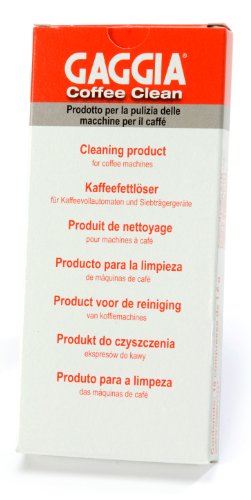
- distiller maintenance cleaning solution tablets
- stainless steel water distiller cleaning brush


Before You Start
Unplug the distiller and let it cool completely before cleaning. Empty the water reservoir and discard any remaining hot water safely. Read the manufacturer’s cleaning instructions for your model to avoid voiding warranties. Wear gloves to protect skin from acidic cleaners. Time estimate: 30–60 minutes depending on buildup.
Safety cautions: Never mix cleaners unless the product directions specify it. Avoid abrasive scrubs that could scratch metal surfaces. Ensure good ventilation if using chemical cleaners.
Step-By-Step: How To Clean Your Water Distiller
- Power off and unplug the distiller, then remove the carafe and any detachable parts according to the manual.
- Rinse the interior with warm water to loosen loose mineral deposits.
- Prepare a cleaning solution using a distiller descaler kit or distiller maintenance cleaning solution tablets as directed on the packaging.
- Pour the cleaning solution into the boiling chamber or reservoir, following the product’s recommended water-to-cleaner ratio.
- Run a full cleaning cycle as if producing water, allowing the solution to circulate and dissolve mineral scale.
- Turn off the distiller and let the solution sit for the recommended contact time, then drain it completely.
- Rinse the system thoroughly with several cycles of clean water to remove all cleaner traces.
- Use a stainless steel water distiller cleaning brush to gently scrub any visible mineral buildup on exposed surfaces, taking care not to damage seals.
- Rinse again until the water runs clear. Reassemble the distiller and run a final cleansing rinse with fresh water.
Troubleshooting
| Symptom | Likely Cause | Fix | Prevention |
|---|---|---|---|
| Unusual taste after cleaning | Cleaner residues | Rinse with extra cycles of clean water | Rinse until no odor remains |
| Slow heating or longer cycles | Scale buildup | Repeat descaling cycle or use cleaning tablets | Schedule regular cleanings |
| Visible mineral deposits | Hard water minerals | Scrub with cleaning brush and descale | Use filtered or distilled water for final stages |
| Leak or seal seepage | Worn seals or improper reassembly | Inspect seals, reassemble correctly | Follow manual during maintenance |
Common Mistakes
- Using harsh or incompatible cleaners that damage metal surfaces
- Skipping thorough rinses after cleaning, leaving residues
- Ignoring the manufacturer’s directions and warranty terms
- Using tap water for the final rinse when mineral buildup is present
Tips For Best Results
- Schedule a cleaning every 1–3 months depending on water hardness and usage.
- Always complete a full rinse cycle after using cleaning agents to avoid taste or residue.
- Maintain the exterior with a soft cloth to prevent fingerprints and corrosion risks.
- Store replacement cleaning tablets in a cool, dry place to preserve effectiveness.
Call A Professional
If you notice persistent performance issues, persistent odor, or leaks after multiple cleanings, consider consulting a professional technician. Stop using the distiller if there is any sign of malfunction that could compromise safety, such as corroded parts, electrical faults, or persistent abnormal noises.
FAQ
How often should I clean a water distiller?
Most users benefit from a light monthly clean and a deeper descaling every 3–6 months, depending on water hardness and usage.
Can I use household vinegar to descale a distiller?
Vinegar is sometimes suggested but may not be compatible with all distiller models. Always follow the manufacturer’s recommended cleaning agents.
Will cleaning affect the taste of the next batch?
Yes, a thorough rinse removes cleaner residues that could affect flavor; you should taste improvement after proper rinsing.
Is it safe to run a cleaning cycle while the distiller is still plugged in?
No. Always unplug the unit before performing any cleaning procedure.
Should I use distilled water for the final rinse?
Using distilled or filtered water for the final rinse helps minimize mineral re-deposits and maintains purity.
What if scale does not come off after cleaning?
Consider a stronger descaler cycle or consult the manufacturer for model-specific guidance.
Can I reuse the cleaning solution for multiple cycles?
Most products are designed for a single use per cleaning cycle; refer to the product instructions for reuse policies.
Buying Guide
When selecting cleaning products and maintenance tools for a water distiller, consider size, compatibility, and performance. Think about how often you distill water, your water hardness, and the finish on your unit. A well-rounded kit can simplify regular upkeep and extend the life of the distiller.
Key buying factors include:
- Size and compatibility: Ensure the descaler kit and tablets fit your distiller’s model and capacity.
- Effectiveness: Look for products proven to dissolve mineral scales common in tap water.
- Ease of use: Pre-measured tablets or clearly labeled descalers save time and reduce errors.
- Materials compatibility: Choose tools like brushes that are safe for stainless steel surfaces and seals.
- Maintenance frequency: Regular maintenance reduces buildup and prolongs efficiency.
- Safety: Use cleaners that comply with safety standards and come with clear instructions.
- Placement considerations: Keep the distiller on a stable, heat-resistant surface with good ventilation during cleaning.
Would you benefit from a bundled maintenance kit? If your water is very hard or you notice frequent scale, a combined approach with a descaler kit plus cleaning tablets may offer the best value and reliability.
Leave a Reply