How to Clean a Vegetable Oil Spill Safely and Effectively
Vegetable oil spills in the kitchen can happen quickly, creating a slick surface and staining floors or counters. With the right approach and a few absorbent tools, you can remove the oil efficiently while minimizing damage to surfaces and reducing mess.
This guide provides a practical, step-by-step method using common kitchen supplies and purpose-built absorbents. It focuses on safe handling, material choice, and preventing repeat spills through quick cleanup and proper storage of waste materials.
Quick Answer
Contain the spill with a clean, dry towel or paper towels, then apply a layered cleanup approach: first use absorbent pads or socks to lift most of the oil, then sprinkle oil absorbent powder for final cleanup, wipe with a damp cloth, and dispose of waste promptly. For stubborn stains, repeat as needed and rinse the area if the surface allows.
What You’ll Need
- Vegetable oil spill cleanup absorbent pads
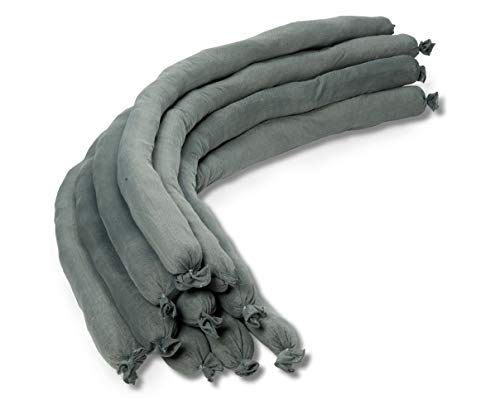
- Kitchen grease spill kit oil absorbent socks
- Oil spill cleanup powder absorbent for kitchen
- Plastic scraper or spatula
- Disposable gloves
- Disinfectant or mild detergent
- Broom and dustpan or vacuum (optional for loose debris)
- Trash bags or lined container for waste


Before You Start
Clear the area and remove pets or children from the vicinity. Put on disposable gloves to protect skin and minimize contact with oil. Check the surface type: non-porous floors like sealed tile or sealed hardwood are easier to clean; porous surfaces may require extra absorbent layers. Time estimate: 10–20 minutes for typical spills; larger spills may take longer. Avoid mixing cleaners that can react with oil or create slippery residues.
Step-By-Step: How To Clean A Vegetable Oil Spill
- Contain the spill by spreading a paper towel around the edges to prevent it from spreading further.
- Place vegetable oil spill cleanup absorbent pads over the slick area and press gently to soak up the majority of the oil.
- Use kitchen grease spill kit oil absorbent socks to surround the perimeter for a second containment layer and to wick remaining oil toward the mats.
- Carefully remove and discard the used pads and socks in a lined trash bag to prevent re-spill from stored materials.
- Sprinkle oil absorbent powder absorbent for kitchen over any remaining oil residue and allow it to sit for a few minutes to lift stubborn spots.
- Sweep or brush the powder into a pile, then dispose of it in the trash bag with the used pads.
- Wipe the area with a damp cloth or sponge and a mild detergent or surface-safe cleaner to remove any oily film.
- Rinse the cloth and wipe again to remove soap residue, then dry the surface with a clean towel.
- Inspect for shininess or streaks; repeat the absorbent and cleaning steps if necessary.
- Take out the trash and wash your hands; ventilate the area if using cleaners with strong scents.
- Store spare absorbents and cleaners in a designated cabinet to speed future responses.
- Document the spill if it was large, noting cause and response for future prevention.
Troubleshooting
| Symptom | Likely Cause | Fix | Prevention |
|---|---|---|---|
| Oil leaves a glossy stain after cleanup | Residual oil on porous surface | Reapply absorbent powder and re-wipe with detergent | Seal or sealant on porous floors; quick cleanup next time |
| Oil spreads beyond initial area | Initial containment incomplete | Re-contain with absorbent socks and add more pads | Act quickly; keep absorbents nearby |
| Oil creates slippery floor even after cleaning | Soap or residue left behind | Ensure thorough rinse and dry; use a non-slip cleaner if needed | Use appropriate cleaners for surface type |
| Absorbent materials become saturated fast | Very large spill | Use additional pads and replace powder as needed | Coordinate multiple kits for big spills |
Common Mistakes
- Using water first on a heavy oil spill, which spreads the slick
- Extending cleaning time without replacing saturated absorbents
- Ignoring surface sensitivity when choosing cleaners or powders
- Not disposing of oil-contaminated materials properly
Tips For Best Results
- Keep absorbent pads and socks in a nearby cabinet for quick access during spills
- Test a small area with cleaners to ensure no surface damage
- Work from the outside edge toward the center to avoid spreading
- Use multiple layers of absorbents for larger spills to maximize pickup
- Ventilate the area if using cleaners with strong odors
Call A Professional
Call a professional if the spill involves large quantities of oil, if the surface is porous and deeply absorbed, or if there is any concern about hazardous residues contaminating food prep areas. Signs to seek help include persistent slipperiness, strong odor, or potential cross-contamination with cleaning chemicals.
FAQ
Can I use paper towels alone to clean up a vegetable oil spill?
Paper towels can help absorb initial oil, but they are usually insufficient for a full cleanup and may spread the slick. Use absorbent pads or socks for best results.
Are absorbent powders safe for kitchen use?
Yes, when used as directed on the product packaging, absorbent powders designed for kitchens are typically safe for surfaces and help lift oil residues.
What should I do with oily rags?
Place oily rags in a sealed metal container or dispose of them according to local guidelines to reduce fire risk and odor.
Is it necessary to rinse after using absorbents?
Rinsing helps remove any remaining oily film, especially on countertops or floors. Follow with a mild detergent and a final rinse for best results.
Buying Guide
When selecting oil cleanup supplies, consider size, absorption capacity, and surface compatibility. Ask questions like: How large is my typical spill area? What surfaces need cleaning—tile, wood, or concrete? How quick is the cleanup process in a busy kitchen?
Key buying factors include:
- Size and absorption capacity: Larger spills require more absorbent pads, socks, and powder. Look for multi-pack options to cover different scales of spills.
- Noise level and ease of use: Choose products that are simple to apply and remove, with minimal mess.
- Surface compatibility: Ensure cleaners and powders are safe for your kitchen surfaces (sealed stone, tile, linoleum, or wood).
- Controls and packaging: Opt for clearly labeled products with usage instructions and safety data.
- Placement and storage: Keep emergency cleanup kits in a readily accessible cabinet near the cooking area.
For practical budgeting, consider a combined kit that includes absorbent pads, socks, and powder to handle most kitchen oil spills. A compact, well-organized setup helps ensure a quick response and minimizes damage to floors and counters.
Leave a Reply