How to Get Rid of Oil Stains on Driveway
Oil stains on driveways can mar curb appeal and shorten the life of concrete surfaces. The following practical, step-by-step guide shows how to tackle common oil stains using readily available products and safe methods. It emphasizes testing products on a small area first and choosing a method that fits the stain size and weather conditions.
Quick Answer
For fresh oil spots, blot excess with absorbent material, then apply a concrete driveway oil stain remover gel or an industrial degreaser. Scrub with a stiff brush, rinse well with water, and repeat if needed. For stubborn stains, a pressure washer detergent formulated for concrete can help, followed by a final rinse.
What You’ll Need
- Concrete driveway oil stain remover gel 1-gallon
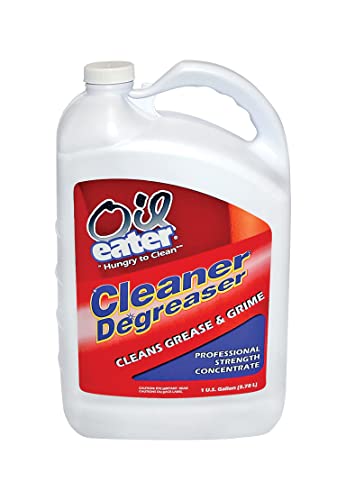
- Industrial degreaser for concrete driveway oil stains 1 gallon
- Pressure washer detergent for concrete oil stains driveway


Before You Start
Plan the work for dry, mild weather. Protect nearby plants and grass from chemical runoff. Wear protective gloves and eye protection, and ventilate if applying indoors or in a garage. Test any cleaner on a small, inconspicuous area of the driveway to check for color change or surface damage. Allow the concrete to dry completely before reapplying or sealing. Expect multiple applications for deep-set stains, with drying time between passes.
Safety note: Never mix cleaners unless the manufacturer specifies compatibility. Prolonged exposure to harsh chemicals can damage concrete and harm plants.
Step-By-Step: How To Remove Oil Stains From A Concrete Driveway
- Shovel away loose dirt and wipe up fresh oil with absorbent material like cat litter or paper towels. This reduces the amount of material that must be treated later.
- Apply the concrete driveway oil stain remover gel directly to the stain, following the product’s recommended thickness. Allow it to sit for the indicated dwell time to penetrate the concrete.
- Scrub the stained area with a stiff-bristle brush to lift the oil from the pores of the concrete. Use firm, circular motions to reach into textured surfaces.
- Rinse the area with a hose or lightly with a pressure washer on a low setting to remove loosened oil and cleaner residue. Do not use excessive pressure that could erode the concrete surface.
- Repeat the application if the stain remains visible after the first pass. Very old or deep stains may require several cycles over a few days.
- For heavier stains, apply the industrial degreaser for concrete driveway oil stains and scrub again. Let the degreaser dwell as directed, then rinse thoroughly.
- Optionally, use pressure washer detergent for concrete oil stains driveway following the product directions. Work from the outside edges toward the center to prevent spreading the stain.
- Dry the area completely. If color imbalance remains, consider a second treatment or apply a concrete sealer after the surface is fully dry and stain-free.
- Inspect after drying. If any trace remains, test a small area with a milder cleaner or consult a professional for deeper remediation.
- Dispose of used absorbents and rinse water according to local regulations to protect the environment.
- Optionally seal the driveway after full cleaning to reduce future staining and make maintenance easier.
Troubleshooting
| Symptom | Likely Cause | Fix | Prevention |
|---|---|---|---|
| Stain remains after first pass | Deep-set oil in pores | Repeat treatment with stain remover gel or degreaser | Treat oil spills promptly; use absorbent materials |
| Cleaner causes surface discoloration | Incompatible cleaner or over-application | Rinse thoroughly and test on a small area before continuing | Follow product instructions, avoid mixing chemicals |
| Surface feels slick after cleaning | Residue from cleaner or oil | Rinse well and scrub lightly, reapply if needed | Use minimal cleaner and thorough rinse |
| Faint odor persists | Residual solvent | Ventilate area, allow to dry, and rewash if necessary | Work in well-ventilated conditions |
Common Mistakes
- Using high-pressure water too aggressively, which can erode concrete.
- Waiting too long to treat fresh spills, allowing oil to penetrate deeper.
- Over-diluting cleaners that reduce cleaning effectiveness.
- Neglecting to protect nearby plants from runoff.
Tips For Best Results
- Address spills as soon as they occur to prevent setting.
- Test any cleaner on a small area to ensure color stability.
- Work in shade on hot days to avoid premature drying of cleaners.
- Use a stiff brush and circular motions to maximize agitation in textured concrete.
- Finish with a sealant to help repel future oil absorption and simplify maintenance.
Call A Professional
If stains are widespread, or if the concrete is stained through to the rebar or has severe discoloration, consider consulting a professional. Stop signs for professional help include large area coverage, old stubborn stains, or if the driveway supports heavy traffic and you want a long-lasting sealant applied properly.
FAQ
What can I do for fresh oil spills on a concrete driveway?
Blot the spill, apply a stain remover gel or degreaser, scrub with a stiff brush, and rinse. Repeat as needed for best results.
Can I use household cleaners to remove oil stains from concrete?
Household cleaners are usually less effective on deep oil stains; use purpose-built products designed for concrete oil stains and follow label directions.
Is sealing the driveway after cleaning worth it?
Yes, sealing helps repel future spills and makes maintenance easier by reducing absorption and staining.
How long should I wait before sealing the driveway after cleaning?
Wait until the surface is completely dry and free of cleaner residues, typically 24–48 hours depending on weather.
Can I use a power washer on my stained driveway?
A pressure washer is helpful when paired with a detergent formulated for concrete oil stains; avoid high pressure that can damage the surface.
Are there eco-friendly options for oil stain removal?
Some products are labeled eco-friendly or low-odor; look for options that specify minimal environmental impact and follow disposal guidelines.
Buying Guide
Choosing the right products and tools can simplify driveway remediation. Here are factors to consider when evaluating options for oil stain removal on concrete driveways.
Size And Coverage
Consider the stain size and the area that needs treatment. A 1-gallon container is typically suitable for moderate, single-spot stains, while larger driveways may require multiple bottles or concentrated degreasers. For big jobs, assess product coverage per gallon as stated by the manufacturer.
Cleaning Power And Formula
Look for products specifically labeled for concrete oil stains. A gel formula can stay in contact with the stain longer for deeper penetration, while a liquid degreaser can be easier to rinse. Some formulas are designed for use with a brush, others with a spray or pressure washer.
Application Tools
Tools should align with the product type. A stiff-bristle brush is often essential for manual scrubbing, while a pressure washer can boost effectiveness for persistent stains. Ensure compatibility with your washer’s pressure rating and the cleaning solution you plan to use.
Surface Compatibility
Verify that the product is safe for concrete and does not damage decorative finishes or coatings. If the driveway has a sealer or decorative overlays, opt for products labeled safe for sealed or concrete surfaces.
Environmental And Safety Considerations
Check for low-odor or biodegradable options if you have nearby landscaping or pets. Follow all safety instructions, wear protective gear, and ensure runoff does not enter storm drains or gardens.
Ease Of Use
Consider whether a gel, spray, or concentrate fits your routine and available time. Simple, straightforward products reduce the number of steps and overall time to complete the job.
Brand And Availability
Choose from reputable brands with clear instructions and good availability. Reading consumer reviews can provide real-world insight into performance on concrete oil stains.
Leave a Reply