How to Clean a Stove Top After Water Boils Over
Water boiling over on a stove top creates sticky splatters and burnt residue that can be stubborn to remove. This guide explains a practical, step-by-step method using common cleaning tools to restore a glass or ceramic cooktop to its original shine.
Following a simple routine can prevent damage to sensitive surfaces while ensuring a spotless finish. The focus is on safe techniques and readily available supplies suited for most American kitchens.
Quick Answer
Act quickly to wipe away the spill while it’s warm, apply a non-abrasive cleaner, scrub gently with a non-scratch brush, and finish with microfiber cloths for a streak-free shine. For stubborn spots, rewarm the surface, reapply cleaner, and repeat with careful scrubbing.
What You’ll Need
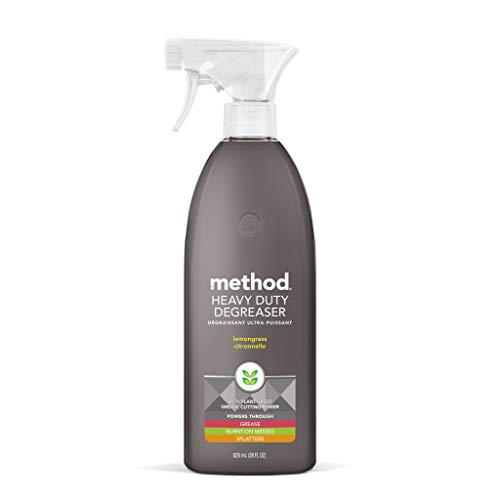
- Stovetop degreaser spray 24 oz – a dedicated cleaner for baked-on residue
- Non-scratch nylon scrub brush for glass cooktop – safe on glass and ceramic surfaces
- Microfiber cleaning cloths for stove top 12×12 inches – absorbs grime without scratching


Before You Start
Prepare the area by removing burner grates and knobs if possible. Allow the surface to cool briefly if it’s very hot, but wipe up spills while they’re still warm to prevent set-in stains. Wear gloves if you have sensitive skin, and ventilate the kitchen if using a spray cleaner. Estimate the cleaning time at about 15–25 minutes for a standard spill, longer for thick residue.
Step-By-Step: How To Clean A Stove Top After Water Boils Over
- Remove loose debris from the surface with a dry microfiber cloth.
- Lightly mist the cooled but still-markable area with the stovetop degreaser spray, focusing on the spill lines.
- Let the cleaner sit for 60–120 seconds to loosen baked-on residue.
- Use the non-scratch nylon scrub brush to agitate the stained zones in gentle, circular motions.
- Wipe away loosened residue with a damp microfiber cloth, repeating as needed.
- For stubborn spots, reapply cleaner and give a longer dwell time before scrubbing again.
- Rinse the surface by wiping with a clean damp cloth to remove cleaner residue.
- Dry the area with a fresh microfiber cloth to prevent streaks and watermarks.
- Reassemble knobs and grates if removed, and give a final wipe to ensure an even finish.
- Inspect for any remaining streaks; if present, repeat a light cleaning pass with a clean cloth.
- Consider a light, periodic wipe after each cooking session to maintain the surface.
Troubleshooting
| Symptom | Likely Cause | Fix | Prevention |
|---|---|---|---|
| Sticky residue remains after cleaning | Residue baked onto surface | Reapply cleaner, dwell longer, and scrub with nylon brush | Wipe down after minor spills to prevent buildup |
| Cloudy or streaky finish | Cleaner left on surface | Wipe with a damp cloth, then dry with microfiber | Use the same cloths for final wipe |
| Scratches appear after scrubbing | Using an abrasive tool or harsh motion | Switch to a softer brush and gentler scrubbing | Avoid abrasive cleaners on glass |
| Discoloration around burnt rings | Heat marks or minerals from water | Apply a mineral-safe cleaner and polish with microfiber | Regular lighter cleaning after cooking |
Common Mistakes
- Using abrasive pads on glass or ceramic cooktops
- Letting cleaner dry before wiping
- Ignoring the area around burners and control knobs
- Rushing the process with insufficient dwell time for the cleaner
Tips For Best Results
- Wipe up spills promptly to minimize set-in stains
- Keep a small routine: after each meal, do a quick pass with degreaser and a microfiber cloth
- Use hot water with a touch of dish soap for a gentle initial wipe if the surface is very dirty
- Store cleaning tools together for quick access during stove-top maintenance
- Test cleaner on a small, inconspicuous area first to ensure compatibility
Call A Professional
Seek professional help if:
– The cooktop has deep cracks or visible structural damage
– Persistent discoloration remains after multiple cleaning attempts
– You suspect lingering chemical residues or fumes from heavy spills
In such cases, contact a certified appliance technician or the manufacturer’s support line for guidance.
FAQ
Can I use dish soap on a glass cooktop?
Dish soap can assist with light cleaning, but a dedicated stovetop degreaser is more effective for baked-on residue.
Is it safe to use water on a hot stove top?
Water should be used cautiously; allow the surface to cool before wiping to avoid steam and warping concerns.
What if my cloth leaves lint on the surface?
Use fresh, dry microfiber cloths and wipe in one direction to minimize lint transfer.
How often should I clean the stove top?
Wipe after heavy cooking sessions and perform a deeper clean weekly or as needed based on residue buildup.
Can I use vinegar for cleaning?
Vinegar can help with mineral deposits, but test on a hidden spot first and avoid mixing with ammonia-based cleaners.
Buying Guide
When choosing products to maintain a stove top after spills, consider size, efficiency, and ease of use. Look for a stovetop degreaser spray 24 oz that is safe for glass and ceramic surfaces, paired with a non-scratch nylon scrub brush for glass cooktop to handle baked-on grime. Finish with microfiber cleaning cloths for stove top 12×12 inches for streak-free results.
Key buying factors include:
- Size and frequency of usage: Larger spray bottles last longer for frequent spills.
- Surface safety and compatibility: Choose cleaners labeled for glass/ceramic cooktops.
- Ease of use: Foaming or spray formulas that dwell briefly reduce scrubbing time.
- Cleaning tools: Non-scratch brushes prevent surface damage, while microfiber cloths prevent streaks.
- Storage and ergonomics: Compact tools fit under the sink or in a cleaning caddy for quick access.
To maximize results, pair products designed for glass cooktops with a consistent maintenance routine. Are you prepared to keep the stovetop pristine after every boil-over moment? A thoughtful kit and a regular wipe-down can significantly simplify ongoing maintenance.
Leave a Reply