How to Get Rid of Cigarette Breath Instantly and Feel Fresh
Cigarette breath, also known as halitosis, can linger long after a cigarette is out. This guide explains practical, evidence-based steps Americans can take to freshen breath quickly and effectively using common oral-care tools. The focus is on immediate results, while also addressing longer-term habits that help maintain fresh breath throughout the day.
By combining a quick rinse, targeted cleaning of the tongue, and portable freshening options, readers can choose a method that fits their routine. This article prioritizes safety, easy-to-find products, and practical tips for on-the-go freshness.
Quick Answer
For instant results: use an alcohol-free mouthwash antiseptic, then clean the tongue with a stainless steel tongue scraper, followed by a breath freshening spray that is portable and alcohol-free. Rinse and repeat as needed for the day.
What You’ll Need
- Tongue scraper stainless steel
- Breath freshening spray portable
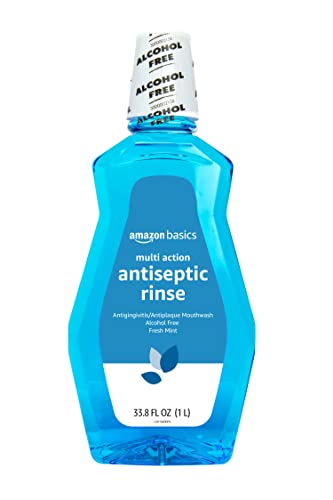
- Alcohol-free mouthwash antiseptic


Before You Start
Before beginning, ensure you have a clean mouth environment. Brush or rinse to remove loose particles, then proceed with the steps. Important cautions include avoiding aggressive brushing on the tongue to prevent irritation and not relying on a single method for all-day control. If you have persistent halitosis or a sudden change in breath, consult a healthcare professional for underlying causes.
Time estimates: tongue cleaning and rinsing take about 2–3 minutes, with additional 1–2 minutes for using a portable spray. Plan a short routine morning and after meals for best results.
Step-By-Step: How To Get Rid Of Cigarette Breath Instantly
- Rinse with alcohol-free mouthwash antiseptic for 30–60 seconds to reduce bacteria without drying the mouth.
- Take a quick sip of water and swish again if needed to loosen particles from the teeth and tongue.
- Use a tongue scraper stainless steel to gently remove coating from the tongue’s surface, starting at the back and moving forward.
- Spit out the collected debris and rinse the scraper between passes to prevent redistribution of odor-causing material.
- Apply a portable breath freshening spray and mist lightly around the mouth for a quick boost in scent and moisture.
- Drink water throughout the day to support saliva production and reduce dry mouth, a common cause of cigarette breath.
- Chew sugar-free gum or suck on a sugar-free breath mint if you need a quick fix when unable to rinse.
- Maintain regular oral hygiene: brush teeth twice daily and floss after meals to remove particles that contribute to odor.
- Limit caffeine and alcohol that can dry the mouth, or pair them with water to maintain moisture.
- Consider a brief post-meal rinse using mouthwash to control odor between meals and social interactions.
- Reinforce by repeating tongue scraping and spray after meals or after smoking, if permissible in your routine.
- Track patterns: note which foods or habits trigger stronger odor and adjust accordingly for longer-lasting freshness.
Troubleshooting
| Symptom | Likely Cause | Fix | Prevention |
|---|---|---|---|
| Breath stays stale after using products | Dry mouth or insufficient cleaning | Rinse with alcohol-free mouthwash, then use tongue scraper, and sip water | Keep water bottle handy; avoid long gaps without oral care |
| Odor returns soon after use | Bacterial buildup on tongue or teeth | Repeat tongue scraping and brushing; consider a second breath spray | Brush and rinse after meals; maintain dental visits |
| Gum sensitivity after tongue scraping | Harsh scraping technique | Use lighter pressure and a softer motion | Limit scraping to gentle strokes; don’t overdo it |
| Breath odor with no smoking history | Underlying dental or medical issue | Consult a dentist or physician | Regular checkups, monitor for infections or gum disease |
Common Mistakes
- Rinsing with mouthwash containing alcohol too frequently, which dries the mouth and can worsen odor later.
- Using a hard-bristled brush on the tongue or applying excessive pressure during scraping.
- Relying on a single product instead of combining methods like tongue cleaning and mouthwash.
- Skipping hydration, especially after smoking, which reduces saliva and increases odor persistence.
Tips For Best Results
- Choose an alcohol-free mouthwash antiseptic to minimize dryness while still reducing bacteria.
- Pair tongue cleaning with mouthwash for a two-step odor control that targets both tongue coating and mouth bacteria.
- Carry a portable breath freshening spray for quick boosts during the day, especially in social or professional settings.
- Maintain a routine of hydration and dairy-free snacks if you notice aftertaste, as some foods can intensify odor.
Call A Professional
If cigarette breath persists despite consistent home care, seek a dental checkup. Persistent odor may indicate dental disease, mouth infections, or systemic issues that require professional evaluation. If you notice symptoms such as persistent bad taste, mouth pain, or bleeding gums, schedule an appointment promptly.
FAQ
Is tongue scraping safe for most people?
Yes, when done gently with a stainless steel scraper, tongue cleaning is generally safe and can reduce surface bacteria that cause odor.
Can alcohol-free mouthwash replace brushing?
No. Mouthwash complements brushing and tongue cleaning but does not replace mechanical cleaning of teeth and tongue.
How often should I use a breath freshening spray?
Use as needed for immediate freshness, especially in social situations, but avoid frequent reliance to prevent masking rather than treating odor.
What should I do if I smoke regularly?
Along with the methods above, consider reducing cigarette exposure, increasing hydration, and seeking smoking cessation support for long-term breath improvement.
Buying Guide
When selecting products to combat cigarette breath, consider size, portability, and how each item fits into daily routines. A compact tongue scraper made of stainless steel is convenient for travel, while an alcohol-free mouthwash antiseptic provides sustained bacteria control without dryness. A portable breath freshening spray adds quick, on-the-go confidence. Look for labels that emphasize antiseptic action, alcohol-free formulas, and fragrance-free options if sensitivity is a concern. Consider how you plan to use these tools: at home, in the car, or at work. A balanced combination across these products often yields the best results for instant and day-long freshness.
Leave a Reply