How to Get Rid of Ashy Hair and Restore Softness
Ashy hair can look dull and feel dry, but with the right routine and tools it is possible to restore softness and shine. This guide provides practical steps, safety tips, and product recommendations suitable for American households seeking noticeable improvements without harsh chemical treatments.
Quick Answer
Quick method: cleanse with a sulfate-free shampoo, apply a deep conditioner or hair steamer cap for enhanced moisture, then seal with a lightweight oil. Use a boar bristle hair brush for dry damaged hair to distribute natural oils and a wide tooth detangling comb to reduce breakage.
What You’ll Need
- Boar Bristle Hair Brush for Dry Damaged Hair
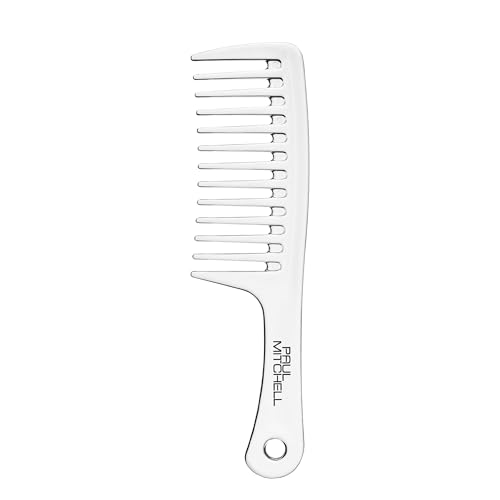
- Wide Tooth Detangling Comb for Frizzy Dry Hair
- Hair Steamer Cap for Deep Conditioning
- Sulfate-free shampoo
- Deep conditioner or hair mask
- Leave-in conditioner or hair oil
- Soft microfiber towel
- Optional heat protectant spray


Before You Start
Before beginning, assess your hair type and history of chemical treatments. If the hair is severely damaged or breaks easily, proceed gradually to minimize further damage. Important: avoid hot water, minimize heat styling, and test new products on a small strand first. Plan for 30–60 minutes per conditioning session, with additional time for steaming as needed.
Step-By-Step: How To Get Rid Of Ashy Hair
- Wet hair with lukewarm water to open the cuticles and remove surface buildup.
- Gently cleanse with a sulfate-free shampoo, focusing on the scalp and avoiding over-washing which can strip moisture.
- Apply a rich deep conditioner or hair mask, concentrating on ends. Comb through with a wide tooth detangling comb to remove knots.
- Rinse thoroughly and wrap hair in a microfiber towel to absorb excess moisture.
- Use a hair steamer cap for deep conditioning. Follow product instructions; steam helps open cuticles for better penetration of moisture.
- Rinse again if required, then apply a leave-in conditioner and a small amount of hair oil to seal in moisture.
- Air-dry or use a cool setting on a hair dryer. While dry, brush with a boar bristle hair brush to distribute oils from the scalp.
- Finish with a light styling product to control frizz without weighing hair down.
- Schedule a weekly or bi-weekly conditioning routine to maintain moisture and reduce ashiness over time.
- Monitor hair health and adjust products if the hair feels heavy or greasy; switch to lighter formulations as needed.
- Periodically trim damaged ends to prevent split ends from traveling up the hair shaft.
- Maintain hydration by drinking water and using humidity-friendly products in dry climates.
Troubleshooting
| Symptom | Likely Cause | Fix | Prevention |
|---|---|---|---|
| Hair still looks ashy after conditioning | Insufficient moisture or protein imbalance | Increase conditioning frequency; alternate moisture-rich and protein-rich treatments | Use balanced products suited for your hair type |
| Frizz or static | Dry cuticles or humidity | Apply a light anti-frizz serum or leave-in conditioner | Avoid towel-drying aggressively; use microfiber towel |
| Product buildup on scalp | Overwashing or heavy products | Wash with a clarifying shampoo every few weeks | Use lighter formulations and smaller amounts |
| Ends still dry after steaming | Damage near the ends | Trim split ends; extend steaming to the mid-lengths | Regular trims and gentle handling |
Common Mistakes
- Over-washing hair, which strips natural oils and worsens ashiness
- Using high heat on dry or damaged hair, causing further breakage
- Skipping the detangling step, leading to snags and more breakage
- Choosing heavy products that weigh hair down or leave buildup
- Neglecting scalp care, which can affect overall hair health
Tips For Best Results
- Consistency is key; aim for a regular conditioning routine rather than quick fixes
- Pair a boar bristle brush with a wide tooth comb for gentle detangling and oil distribution
- Use the hair steamer cap weekly or bi-weekly for deeper moisture penetration
- Protect hair from environmental stressors by wearing hats or using UV filters
- Choose products labeled as color-safe and silicone-free if you color your hair
Call A Professional
If hair remains unusually dry, experiences persistent breakage, or shows signs of scalp conditions (scaling, redness, significant itching), consider consulting a licensed cosmetologist or dermatologist. Stop home treatments if you notice increased shedding, severe itching, burning sensations, or if you have a history of scalp disorders such as psoriasis or dermatitis.
FAQ
Can ashiness be fixed quickly with a single treatment?
Most cases respond to a targeted conditioning routine over a few sessions, not a single treatment.
Are there hair steamer caps safe for daily use?
Yes, when used as directed and not too frequently. Follow product guidelines and monitor for any scalp sensitivity.
Will brushing with a boar bristle brush damage wet hair?
Wet hair is more fragile; brush gently or wait until hair is partly dry to minimize breakage.
Should I skip heat entirely?
Light heat is acceptable if you use a heat protectant and keep temperatures low; otherwise, air drying is safest.
Is it important to trim damaged ends?
Yes, trimming helps prevent split ends from traveling up the shaft and improving overall appearance.
What other factors influence ashiness?
Environmental conditions, water quality, and product buildup can contribute; adjust routines accordingly.
Buying Guide
When selecting products to combat ashiness, consider size, noise level if using a steamer, energy efficiency, and ease of use. For items like a boar bristle brush and a wide tooth detangling comb, look for comfort in grip and the spacing of the bristles or teeth. For the hair steamer cap, evaluate features such as adjustable heat settings, timer, and portability. A versatile kit may include a sulfate-free shampoo, a deep conditioner, and a leave-in product to simplify routines. If possible, choose items labeled for dry or damaged hair to maximize results. Think about your typical routine, climate, and how much time you’re willing to invest weekly. Would a steamer cap fit into your bathroom setup, or would a simpler conditioning regimen be more practical? The right combination should feel effortless and encouraging to maintain.
Leave a Reply