How to Clean Sticky Vinyl Safely and Effectively
Vinyl surfaces, from flooring to upholstery, can attract grime and become sticky over time. Proper cleaning removes residue without damaging the material. This guide covers practical methods and safe products to restore your vinyl’s look and feel.
By following the steps below, you’ll minimize wear, preserve color, and keep your vinyl surfaces hygienic for daily use.
Quick Answer
Apply a vinyl-safe cleaner or adhesive residue remover in a small, inconspicuous area first for testing. Gently scrub with a soft brush or microfiber cloth, then wipe with clean water and dry. For persistent stickiness, use a vinyl record cleaning kit or upholstery cleaner, following label directions.
What You’ll Need
- Adhesive residue remover for vinyl flooring
- Vinyl record cleaning kit carbon fiber brush cleaning solution
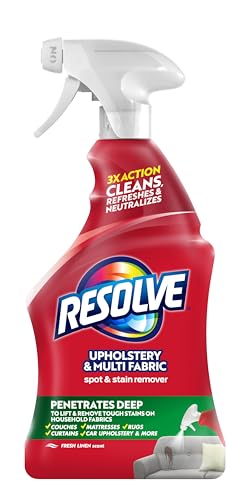
- Vinyl upholstery cleaner spray with microfiber cloth


Before You Start
Test any product on a hidden area of the vinyl to check for discoloration or damage. Remove loose debris with a dry cloth before applying cleaners. Work in a well-ventilated space and avoid exposing vinyl to heat sources. Protect surrounding floors and surfaces from drips. Time to complete varies by area size, typically 20–60 minutes.
Step-By-Step: How To Clean Sticky Vinyl
- Identify the sticky spots and choose a cleaner suitable for vinyl surfaces.
- Apply a small amount of cleaner to a soft cloth or brush, not directly onto the entire area.
- Gently scrub in a circular motion over the sticky zones until the residue loosens.
- Wipe away the loosened residue with a clean microfiber cloth.
- If stickiness remains, reapply cleaner and repeat the scrubbing, focusing on stubborn patches.
- Rinse the area with a damp, clean cloth to remove any cleaner residue.
- Dry thoroughly with a dry microfiber cloth to prevent moisture damage.
- For textured vinyl or larger surfaces, repeat the process as needed and consider a dedicated vinyl upholstery cleaner for even coverage.
Troubleshooting
| Symptom | Likely Cause | Fix | Prevention |
|---|---|---|---|
| Sticky feel returns after cleaning | Residue trapped in pores | Follow with a second cleaning pass using a dedicated vinyl cleaner | Regular maintenance cleanings |
| Discoloration or dull spots | Harsh chemical or over-wetting | Test first; use milder cleaner and minimal moisture | Use vinyl-safe products and wipe dry |
| Streaks after wiping | Excess cleaner left behind | Wipe with a clean, damp cloth then dry | Apply lighter amounts of product |
| Texture roughens after cleaning | Over-scrubbing on matte finishes | Switch to softer brushes and gentle pressure | Avoid aggressive scrubbing |
Common Mistakes
- Using abrasive brushes or pads on vinyl surfaces
- Applying cleaner directly and heavily on wide areas
- Using household solvents not labeled for vinyl
- Not drying thoroughly, promoting mold or warping
Sticking to recommended cleaners and gentle tools helps prevent common issues and maintains vinyl integrity over time.
Tips For Best Results
- Test cleaners on a hidden spot before full use.
- Work in small sections to control moisture and exposure time.
- Use microfiber cloths to reduce lint and scratches.
- Store cleaners in a cool, dry place away from direct sun.
- Ventilate the area to avoid inhaling fumes from solvents.
Call A Professional
Contact a professional if the vinyl shows deep staining, delamination, or warping after cleaning attempts. Seek expert help for large areas or delicate finishes, especially in commercial spaces or antique vinyl items.
FAQ
Is it safe to use household cleaners on vinyl?
Many household cleaners are not vinyl-safe; always check labels and test first on a hidden area.
Can I use water alone to remove stickiness?
Water may help lightly, but sticky residue often requires a vinyl-safe cleaner or adhesive remover.
How often should I clean sticky vinyl?
Light maintenance every few weeks helps prevent buildup; deep cleaning as needed when stickiness returns.
Will cleaning affect color or finish?
Using the wrong products can dull or discolor vinyl; choose products labeled for vinyl and follow directions.
Buying Guide
When selecting products to clean sticky vinyl, consider size, compatibility, and safety. Key buying factors include:
- <bSize and coverage: Choose cleaners that suit the surface area you need to treat without oversaturation.
- <bNoise Level and ease of use: Simple spray bottles or brush applicators reduce noise and effort during cleaning.
- <bEnergy Efficiency of any powered tools: If using vacuums or brushes, pick energy-efficient options.
- <bControls and label clarity: Clear instructions help prevent misuse and damage.
- <bPlacement and storage: Keep cleaners upright and away from children and pets.
For best results, look for vinyl-safe formulations and test products in a hidden area before broad use. Compare cleaning kits and dedicated vinyl products to match your specific surface type, whether flooring, upholstery, or records, for optimal outcomes.
Leave a Reply