How to Clean Dog Paws Easily at Home
Keeping a dog’s paws clean helps reduce dirt tracking in the house and minimizes the risk of infection from mud, salt, or chemicals used outdoors. This guide covers simple, effective methods and the right tools to gentler clean paws after walks, runs, or playtime.
Whether it’s a quick wipe or a thorough rinse, owners can learn practical steps to protect their dog’s comfort and health while maintaining a neat home environment.
Quick Answer
Choose a method based on paw mess: for light dirt, a quick wipe with a damp cloth works well; for mud or snow, use a dedicated paw cleaner or a gentle rinse with warm water. Always dry the paws thoroughly afterward to prevent irritation.
What You’ll Need
- Dog paw washer silicone cup with bristles large
- Portable dog paw cleaner bottle with soft brush
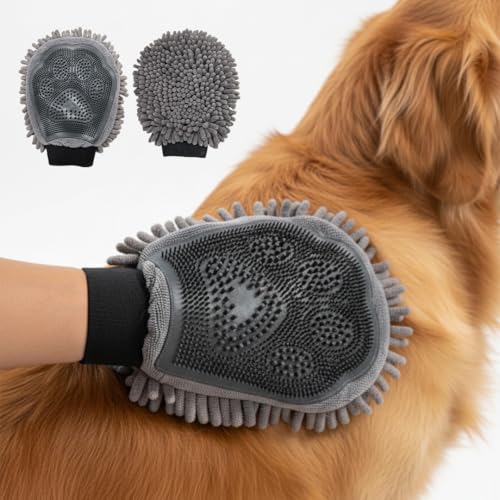
- Dog paw cleaning glove brush set for muddy paws


Before You Start
Prepare a calm environment near a sink or utility area. Use lukewarm water to avoid discomfort, and keep towels handy for quick drying. Avoid soaking the dog’s paws for too long, which can lead to skin irritation. If your dog has sensitive paws, test a small area first and pause if there’s any redness or discomfort. Estimate about 5–15 minutes for a routine session, longer for heavy mud.
Step-By-Step: How To Clean Dog Paws
- Calmly leash or cradle your dog and begin with a quick brush to remove loose dirt before washing.
- Rinse a bowl or basin with warm water to create a comfortable cleaning environment.
- Fill the dog paw washer silicone cup with bristles large with a small amount of clean water or a mild, dog-safe cleanser.
- Gently insert one paw, then twist or squeeze to activate the bristles and loosen mud.
- Inspect toes for debris, especially between pads, and repeat until the water runs clear.
- Dry the paw with a towel using soft, patting motions to minimize friction.
- Repeat for each paw, using the portable dog paw cleaner bottle with soft brush if needed for extra scrubbing.
- Offer a short break between paws to prevent stress; reward with a treat to maintain a positive experience.
- Evaluate the paw pads for any cuts or redness and apply gentle moisture if necessary.
- Finish with a quick overall wipe of the legs to remove residual moisture and dirt.
- Clean and dry the grooming tools after use to prevent bacteria growth.
- Store the tools in a dry place to ensure readiness for the next muddy excursion.
Troubleshooting
| Symptom | Likely Cause | Fix | Prevention |
|---|---|---|---|
| Paws remain stained after cleaning | Thick mud between toes | Use the cleaning glove set for targeted scrubbing | Pre-wash in cold water; check for deep stains |
| Paws irritate or redden during cleaning | Water is too hot or cleanser is harsh | Switch to lukewarm water and a mild, dog-safe cleanser | Test on a small area first |
| Water in paw cleaner becomes dirty quickly | Insufficient rinsing | Rinse tools between paws and replace water as needed | Have fresh water ready |
| Tool bristles lose flexibility | Cleaner stored damp or aged material | Dry thoroughly after use and replace if frayed | Store in a dry place |
Common Mistakes
- Using hot water, which can burn sensitive paws.
- Leaving paws wet for long periods, increasing the risk of irritation.
- Forgetting to dry between toes, where moisture can cause infections.
- Rushing through the process and skipping between toes.
Tips For Best Results
- Develop a routine by cleaning paws after outdoor activities to reduce house dirt.
- Choose tools that suit your dog’s size and coat type for effective results.
- Combine quick wipes with a full rinse for heavily soiled paws to minimize stress.
- Reward calm behavior to help the dog associate cleaning with positive experiences.
Call A Professional
If your dog shows persistent paw redness, swelling, limping, or signs of infection, contact a veterinarian promptly. Seek professional help for ongoing dermatitis or if there are open wounds that require treatment. For routine cleaning with sensitive paws, a professional groomer can offer guidance on the right tools and techniques.
FAQ
What is the best tool for cleaning dog paws?
The best tool depends on your dog’s size and mess level. Consider a bath-friendly paw washer with bristles, a portable paw cleaner bottle, or a glove brush set for targeted scrubbing.
How often should I clean my dog’s paws?
Clean after muddy or snowy outings, and wipe down during dry seasons to remove dust. A quick daily wipe can help if the dog is indoors frequently.
Is it safe to use soap on dog paws?
Use a dog-safe cleanser or mild shampoo, and avoid human soaps that can disrupt natural oils. Rinse thoroughly to prevent residue on pads.
What should I do if my dog hates paw cleaning?
Introduce tools gradually, use treats, and keep sessions short. Start with just touching the paw and gradually progress to cleaning.
Buying Guide
Choosing the right paw-cleaning setup involves several factors. Consider size and aggressiveness of mud, how often cleaning occurs, and your dog’s tolerance. A versatile kit with multiple tools can cover a range of messes—from light dust to heavy mud. Noise and comfort matter; quiet operation reduces stress for anxious dogs. Look for materials that are easy to dry and clean, such as silicone cups and soft bristles.
Buying Guide: Key Buying Factors
- Size and Fit: Select tools that accommodate your dog’s paw size, from small to large breeds.
- Noise Level: Quiet devices help minimize dog anxiety during cleaning.
- Ease Of Cleaning: Tools with removable components simplify rinsing and drying.
- Material Quality: Durable, non-toxic materials ensure safe and long-lasting use.
- Controls And Features: Simple on/off or twist mechanics are beginner-friendly.
- Placement And Storage: Compact kits fit in a mudroom or near a sink for quick access.
- Maintenance: Look for tools that are easy to dry and sanitize between uses.
For households with multiple pets or frequent outdoor trips, a combination approach often works best: a silicone cup with bristles for quick cleans, a portable bottle for travel, and a glove brush set for stubborn dirt. Ready-to-use kits speed up post-walk routines and help maintain a clean home without compromising your dog’s comfort.
Leave a Reply