How to Get Rid of Cat Allergens in House
Cat allergens, primarily from dander, spread easily through homes and can trigger sneezing, itchy eyes, and other symptoms for sensitive individuals. This guide outlines practical steps and tools to reduce indoor cat allergens effectively in a typical American home.
Quick Answer
Use a combination of an outperforming air purifier, regular vacuuming with a HEPA filter, and targeted cleaning with enzymatic pet odor removers to minimize cat dander. Pair these with routine maintenance to keep indoor air of living spaces clearer of allergens.
What You’ll Need
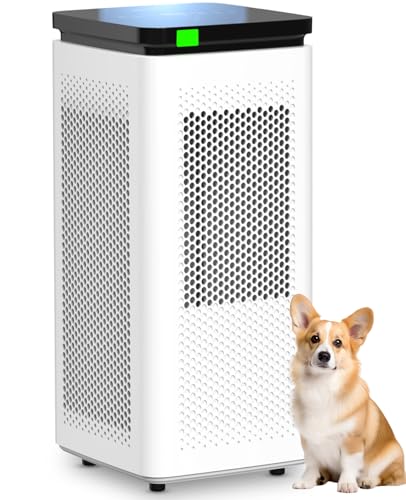
- HEPA air purifier for cat dander large room with true HEPA filter — for continuous air cleanup
- sealed vacuum cleaner with HEPA filter for pet hair and dander — for thorough surface removal
- enzymatic pet odor remover spray for cat dander allergens — to break down allergens at their source


Before You Start
Before beginning, establish a cleaning routine and understand the allergen sources in your home. Ventilation matters, so keep a window open on dry, low-pollen days if possible. Identify rooms most used by your cat and plan a cleaning schedule that targets those spaces regularly. Allow for a realistic time frame: a dedicated 1–2 hours for a deep clean, plus 15–30 minutes for weekly maintenance.
Step-By-Step: How To Reduce Cat Allergens In Your Home
- Place a HEPA air purifier for cat dander large room with true HEPA filter in the main living area and bedrooms where your cat spends time.
- Run the purifier on a high or turbo setting during peak activity times (morning and evening).
- Use a sealed vacuum cleaner with HEPA filter for pet hair and dander on carpets, rugs, upholstery, and drapes.
- Vacuum every 2–3 days in high-traffic zones; focus on edges and under furniture where dander settles.
- Wipe hard surfaces with a damp cloth each week to remove settled dander from countertops, shelves, and furniture.
- Apply enzymatic pet odor remover spray for cat dander allergens to areas with strong odors or persistent dander buildup, such as furniture seams and litter areas.
- Wash cat bedding, blankets, and washable covers at least every 1–2 weeks in hot water.
- Install/remove clutter to reduce dust traps and improve cleaning efficiency.
- Consider grooming your cat regularly to reduce shedding and dander production.
- Keep windows closed during high pollen seasons and maintain low indoor humidity to minimize dander dispersion.
- Seal gaps around doors and windows if drafts contribute to air circulation of allergens between rooms.
Troubleshooting
| Symptom | Likely Cause | Fix | Prevention |
|---|---|---|---|
| Persistent sneezing after cleaning | Allergen particles remained in the air | Run the HEPA purifier longer; re-clean high-traffic areas | Maintain a daily quick-clean routine and filter monitor |
| Allergy symptoms worsen in certain rooms | Local accumulation of dander | Focus cleaning in those rooms; use targeted enzymatic spray | Limit clutter and improve airflow in that space |
| Unpleasant odor despite cleaning | Persistent dander buildup on fabrics | Utilize enzymatic odor remover on fabrics and upholstery | Regular washing of fabrics and pet bedding |
| Allergen levels read high on tests | Insufficient filtration | Upgrade purifier or extend running times | Maintain filters and replace as recommended |
Common Mistakes
- Using cleaning solutions that leave residues that attract dust
- Neglecting regular vacuuming of upholstered furniture and carpets
- Relying on one cleaning method instead of combining filtration with surface cleaning
- Ignoring humidity and ventilation during cleaning cycles
Tips For Best Results
- Run your HEPA air purifier for cat dander large room with true HEPA filter continuously if possible for best air quality.
- Combine cleaning with fabric protection strategies, such as washable slipcovers.
- Schedule routine grooming for your cat to reduce dander production at the source.
- Keep sleeping areas free of clutter and wash pet belongings regularly.
- Monitor air quality if available and adjust purifier speed during high-activity periods.
Call A Professional
If symptoms persist for a household member or allergy testing indicates high sensitivity, consult an allergist or indoor air quality professional. Seek help if you notice persistent mold growth, unexplained odors, or if cleaning does not significantly reduce symptoms.
FAQ
What is the most effective item to reduce cat allergens?
Pairing a HEPA air purifier for cat dander large room with true HEPA filter with a sealed vacuum cleaner with HEPA filter for pet hair and dander provides strong, continuous allergen reduction.
Can enzymatic sprays help with cat dander?
Yes, the enzymatic pet odor remover spray for cat dander allergens breaks down allergens on surfaces, reducing irritants at their source.
How often should I vacuum with a HEPA-equipped cleaner?
Vacuum high-traffic areas 2–3 times per week, and more often if household activity is high or if the cat sheds heavily.
Do air purifiers remove all allergens?
Air purifiers reduce airborne allergens but should be part of a comprehensive plan including cleaning and fabric washing.
Buying Guide
When choosing products to reduce cat allergens, consider several factors. Size matters: select a HEPA air purifier for cat dander large room with true HEPA filter suitable for the largest room you use, ensuring it can circulate air effectively. Noise level should be acceptable for daily use, especially in bedrooms. Energy efficiency impacts ongoing running costs, so compare wattage and filters’ replacement cycles. Controls should be straightforward for easy daily use, and placement matters: position purifiers away from walls for proper airflow and near high-traffic zones. For cleaning, a sealed vacuum cleaner with HEPA filter for pet hair and dander helps capture fine particles. Finally, an enzymatic spray like enzymatic pet odor remover spray for cat dander allergens can be a potent finish for fabric surfaces.
Considering multi-room homes? Use multiple purifiers and coordinate cleaning schedules for a cohesive approach. If you have very young children or occupants with severe allergies, leaning on professional indoor air quality assessments can provide additional customization. Could combining these tools offer the best results for your space?
Leave a Reply