How to Get Rid of Blackbirds and Keep Other Birds in Your Garden
Blackbirds can be persistent garden visitors, especially during fruiting seasons. For many homeowners, the goal is to deter blackbirds without harming or driving away beneficial songbirds. This guide provides practical, humane strategies that combine physical barriers, motion-activated deterrents, and smart placement to reduce blackbird visits while keeping other birds safe and welcomed in the yard.
The approach blends simple, low-effort fixes with targeted gear that respects wildlife. Readers will learn about combining deterrents, understanding bird behavior, and avoiding common mistakes that can backfire. By following these steps, gardeners can protect crops and landscaping without sacrificing the avian beauty that enriches an outdoor space.
Quick Answer
Use a layered approach: start with a lightweight physical barrier like blackbird deterrent netting for garden over fruit trees or crops, pair with a motion-activated bird repeller for blackbirds safe for other birds to startle intruders, and add an ultrasonic bird repeller blackbird deterrent garden for ongoing deterrence. Deploy deterrents in problem zones, rotate methods every few weeks, and monitor bird activity to adjust as needed.
What You’ll Need
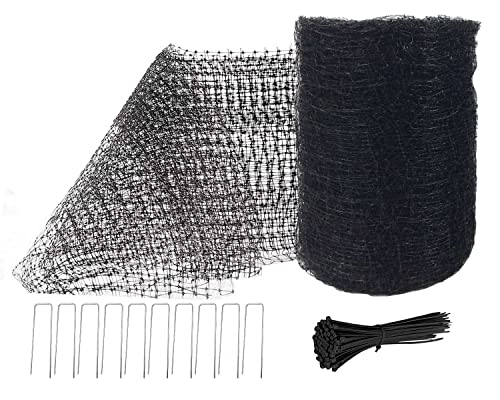
- Blackbird deterrent netting for garden
- Motion-activated bird repeller for blackbirds safe for other birds
- Ultrasonic bird repeller blackbird deterrent garden
- Garden stakes or supports for netting
- Plastic or metal deterrent stakes (optional)
- Bird-safe repellents (non-toxic) as a backup
- Clear labeling or fencing to guide birds away from treated areas


Before You Start
Assess your garden layout and note the primary blackbird hotspots—fruit trees, berry bushes, or vegetable beds. Plan for a humane approach that won’t harm other birds or pets. Read product instructions thoroughly before installation. Time estimates vary by yard size: small gardens about 1–2 hours for initial setup, larger spaces may require a day-plus to implement and test.
Safety notes: ensure netting is securely anchored to withstand wind and does not pose entanglement risks for wildlife or people. If you have pets, position deterrents away from high-traffic pet areas. Regularly inspect devices for weather damage and maintain clean, visible deterrence to avoid cluttered spaces.
Step-By-Step: How To Get Rid Of Blackbirds And Keep Other Birds
- Identify the most attractive food sources for blackbirds and prioritize those areas for deterrence.
- Install blackbird deterrent netting for garden over fruit trees, berry bushes, and any patchy ground where birds forage.
- Anchor netting with sturdy stakes or ties so it remains taut and visible but not sharp or hazardous.
- Place the motion-activated bird repeller for blackbirds safe for other birds at entry points near the problem zones, ensuring cameras or sensors have a clear line of sight.
- Test the motion sensor at different times of day to confirm sensitive triggering without causing excessive disturbance for nearby neighbors or wildlife.
- Add an ultrasonic bird repeller blackbird deterrent garden if blackbirds continue to roost or forage in covered areas. Position away from feeding stations used by smaller birds to avoid misdirection.
- Rotation strategy: swap deterrent locations every 1–2 weeks to prevent birds from acclimating to a single system.
- Combine visual deterrents such as reflective tape, wind chimes, or gentle scare devices near fruit trees to reinforce the barrier without scaring away non-target species.
- Maintain cleanliness: promptly remove fallen fruit and leak-prone compost that can attract birds, while preserving areas that provide natural habitat for beneficial birds.
- Monitor results weekly. If one method shows reduced activity but others persist, adjust placement or timing rather than removing tools entirely.
- Harvest crops promptly when they ripen to minimize standing fruit that attracts blackbirds and other birds alike.
- Document changes and outcomes to refine the deterrent plan across each growing season.
Troubleshooting
| Symptom | Likely Cause | Fix | Prevention |
|---|---|---|---|
| Blackbirds ignore deterrents | Deterrents are not positioned optimally or birds have learned the pattern | Reposition devices, rotate locations, and increase netting coverage | Stagger usage; combine multiple methods |
| Netting tears or sags | Inadequate anchoring or wind exposure | Re-secure with additional stakes and tension wires | Use weather-resistant netting; inspect after storms |
| Non-target birds distressed by devices | Overly aggressive deterrence or loud devices | Reduce intensity or adjust sensor sensitivity | Favor humane, bird-safe options |
| Sticky residues on fruit | Ineffective or overly aggressive repellents | Switch to a milder, approved product and clean fruit surfaces | Follow product directions precisely |
| Noise from ultrasonic repeller | Nearby humans or pets disturbed | Move device farther from living areas or lower volume | Test at different times to balance deterrence and comfort |
| Deterrents blocked by vegetation | Overgrown shrubs or vines | Trim back vegetation around deterrents | Maintain clear sensor lines and view |
Common Mistakes To Avoid
- Relying on a single deterrent for too long—birds adapt quickly.
- Blocking sunlight or airflow with heavy netting in ways that harm plants or birds.
- Using loud devices too close to living spaces or gardens frequented by pets.
- Neglecting to clean up fallen fruit, which sustains bird activity in the area.
Diversify and rotate methods rather than stacking devices in one location. This approach reduces habituation and keeps deterrents effective over time.
Tips For Best Results
- Combine physical barriers with motion-activated and ultrasonic devices for a multi-layer defense.
- Schedule deterrent operation during peak feeding times for blackbirds, often early morning and late afternoon.
- Keep deterrents discreet and garden-friendly to maintain aesthetics and neighbor harmony.
- Coordinate with neighbors if shared fruit trees or common hedgerows are involved.
Call A Professional
Consider professional help if: a) deterrents fail over an entire season, b) persistent large flocks threaten crops or landscaping beyond the scope of DIY tools, or c) you notice signs of bird distress or possible injury from netting or devices. Wildlife control experts can suggest humane strategies, ensure regulatory compliance, and help design a site-specific plan that protects non-target birds.
FAQ
Will bird deterrents harm other birds?
No. The recommended solutions are bird-safe and designed to deter blackbirds while allowing non-target species to feed and move freely.
How long do deterrents take to work?
Most gardeners notice reduced visits within a few days to a few weeks, depending on bird pressure and proper installation.
Can deterrents affect my fruit yield?
Yes, by reducing blackbird disturbance you can protect ripening fruit and minimize losses, especially with timely harvests.
Is it legal to use deterrents in my yard?
Yes, humane deterrents are generally allowed. Always follow local regulations and product instructions.
Buying Guide
When choosing deterrents for blackbirds, consider size, placement, and how the devices interact with other birds. Key buying factors include:
- Size and coverage: Ensure the netting or barriers cover the vulnerable area fully without restricting plant growth.
- Noise level and sensor range: Ultrasonic and motion devices should be effective yet unobtrusive for humans and pets.
- Energy efficiency: Look for low-energy devices or solar-powered options for longer seasons of use.
- Controls and ease of use: Simple setup, intuitive controls, and reliable weather resistance.
- Placement flexibility: Products should be adaptable to different garden shapes and crops.
Comparing options helps; for example, blackbird deterrent netting for garden excels where physical coverage is needed, motion-activated bird repeller for blackbirds safe for other birds adds an active response, and ultrasonic bird repeller blackbird deterrent garden supports continuous protection. Consider your garden’s size, typical bird activity, and whether you prefer a layered or minimal setup. If unsure, start with a basic netting solution and add devices as needed. Are you ready to tailor a deterrent plan that respects wildlife while protecting your harvest?
Leave a Reply