Target Oblique Fat: Effective Home Workouts and Tips
Reducing oblique fat involves a combination of targeted exercises, overall body fat loss, and smart training habits. This guide focuses on practical, at-home strategies that align with common equipment options and safe workout practices for American users.
By following evidence-based methods and using accessible tools, individuals can create an efficient routine that strengthens the core and trims the waistline. The emphasis remains on consistency, proper form, and progressive resistance to see steady improvements over time.
Quick Answer
Focus on full-body fat loss, compound movements, and specific oblique activation. Combine cardio with resistance training, keep workouts challenging but safe, and gradually increase intensity. Aim for consistent sessions 3–5 days a week and pair workouts with a balanced diet for best results.
What You’ll Need
- resistance bands set for oblique workouts heavy resistance latex
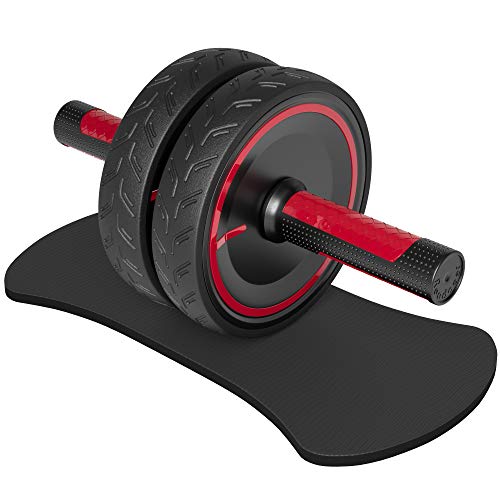
- ab wheel roller with dual wheels foam handle for oblique exercises
- neoprene waist trainer belt for waist and oblique workouts adjustable


Before You Start
Before beginning any new exercise routine, ensure you have a clear space and comfortable footwear. Warm up for 5–10 minutes with light cardio and dynamic stretches to ready the core and spine. Check with a healthcare professional if you have a history of back pain or injuries. Plan workouts for 30–45 minutes initially and adjust as fitness improves. Hydration and sleep support recovery and performance.
Step-By-Step: How To Get Rid Of Oblique Fat
- Begin with a 5-minute cardio warm-up to elevate heart rate and prepare the core muscles.
- Perform compound lifts such as squats, deadlifts, and overhead presses to maximize overall fat loss and muscle engagement.
- Incorporate oblique-focused movements using the resistance bands set for oblique workouts to target the waist area without overloading the spine.
- Use the ab wheel roller with dual wheels to execute controlled rolling motions, emphasizing anti-rotation and core stability.
- Integrate side planks and anti-rotation exercises to build oblique endurance and support spinal health.
- Schedule high-intensity interval sessions 2–3 times per week to boost metabolic rate and fat loss around the midsection.
- Finish with core burnout moves like standing woodchoppers with resistance bands, ensuring smooth, controlled motion.
- Track progress with measurements and photos rather than relying solely on scale weight.
- Adopt a balanced diet that supports fat loss, including lean proteins, vegetables, and whole grains, while limiting processed foods.
- Allow 48–72 hours of recovery between intense core-focused sessions to prevent overtraining and reduce injury risk.
Troubleshooting
| Symptom | Likely Cause | Fix | Prevention |
|---|---|---|---|
| Persistent lower back discomfort | Poor form or excessive load | Reduce resistance, slow the movement, and recheck technique | Warm up properly; use lighter bands until form is solid |
| No improvement in oblique definition | Limited overall fat loss | Increase cardio volume and adjust diet to create a slight caloric deficit | Consistency and progressive overload |
| Pain during ab wheel use | Rounding of the back or weak core | Modify range of motion and reinforce core stability before progressing | Strengthen supporting muscles first |
| Discomfort from waist trainer belt | Over-tightening or improper fit | Loosen fit, remove during non-workout times if needed | Follow manufacturer guidance for wear time |
Common Mistakes
- Focusing only on core-specific moves while neglecting full-body fat loss efforts.
- Relying on the treadmill for hours instead of combining cardio with resistance work.
- Using jerky or rapid movements that compromise form, especially with the ab wheel.
- Overusing the waist trainer belt without giving the body time to adapt naturally.
- Neglecting recovery, leading to burnout or increased risk of injury.
Tips For Best Results
- Maintain a consistent training cadence, aiming for 3–5 sessions weekly.
- Pair resistance work with moderate cardio to enhance overall fat loss.
- Focus on controlled, deliberate movements rather than fast repetitions.
- Use a mirror or video feedback to ensure proper form on oblique exercises.
- Rotate exercises to keep workouts balanced and prevent plateaus.
Call A Professional
Seek a professional if you experience chronic back pain, sharp or radiating pain during oblique work, or if you have a preexisting condition that might be worsened by core training. A certified trainer or physical therapist can tailor a program to your needs and ensure safe progression.
FAQ
Can I target oblique fat specifically?
Spot reduction is limited; combining full-body fat loss with targeted oblique work helps definition over time.
How long until I see results?
Consistency matters; many people notice subtle changes within 6–8 weeks, with more noticeable results after 12 weeks or more.
Are waist trainers effective for fat loss?
Waist trainers may provide temporary compression but do not replace a comprehensive fat-loss program.
What’s the best order for workouts?
Start with warm-up, then compound lifts, followed by oblique-specific moves, and finish with core stability work.
Do I need to avoid certain foods?
A balanced diet emphasizing whole foods supports fat loss; limit highly processed foods and added sugars.
Is cardio essential for shrinking obliques?
Cardio aids fat loss across the body, which helps reveal abdominal definition when combined with resistance training.
Should I use the ab wheel daily?
Start with 2–3 sessions per week, increasing gradually as core strength improves.
Buying Guide
When selecting equipment and accessories to support oblique fat reduction, consider size, noise, usability, and placement in your workout space. A balanced setup combines resistance bands for versatile movements, a stable ab wheel for anti-rotation core work, and a waist trainer belt only as a supplementary option. Look for comfortable grips, durable materials, and easy adjustability to accommodate progression. Consider how you’ll store gear and whether you prefer portable options for travel-friendly routines. Reading user reviews can help assess real-world performance and durability. Above all, choose tools that motivate you to train consistently while maintaining proper form.
Leave a Reply