How to Clean Limescale From Your Dishwasher
Limescale buildup can reduce a dishwasher’s cleaning efficiency and shorten its lifespan. This guide provides practical steps, using common descalers and a long-handled brush to restore performance and extend appliance life.
Following a regular maintenance routine helps prevent mineral deposits and keeps dishes sparkling. The methods below focus on safe, consumer-friendly products and techniques suitable for most American households.
Quick Answer
Run an empty cycle with a dishwasher descaler powder or tablets to dissolve mineral buildup, then scrub the interior with a long-handled interior brush for stubborn spots. Repeat monthly or as needed to maintain a lime-free interior.
What You’ll Need
- Dishwasher descaler powder mineral buildup remover 1 lb
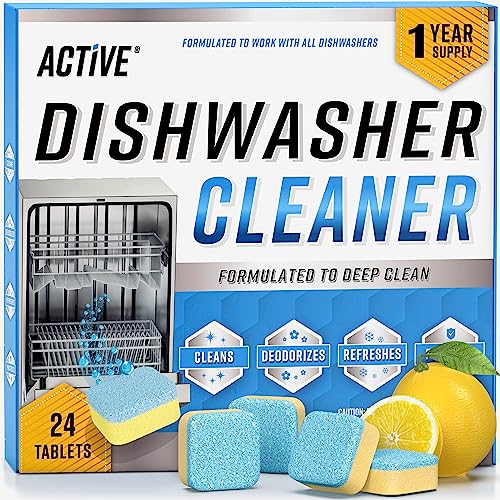
- Dishwasher descaler tablets lime scale remover 60-tablet pack
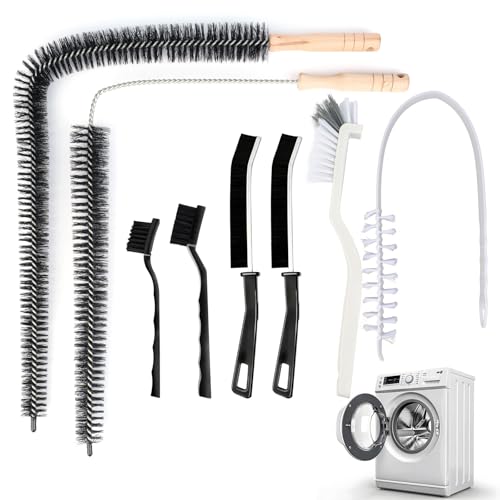
- Dishwasher cleaning brush long-handled interior scrub brush tool

Before You Start
Empty the dishwasher and remove racks to access all corners. Check manufacturer guidance for any restrictions on descalers. Use gloves and eye protection if advised, and avoid mixing cleaners. Run the hottest possible cycle without dishes to maximize mineral dissolution. Allow the interior to dry completely before loading again to prevent new deposits.
Step-By-Step: How To Clean Limescale From The Dishwasher
- Remove racks and clean them separately with warm water and dish soap to prevent residue transfer.
- Wipe seals and door edges with a damp cloth to remove surface grime and prevent soap buildup.
- Place a dishwasher descaler powder like the 1 lb option into the detergent cup or directly into the tub as directed.
- Run a full hot-water cycle (without dishes) to dissolve and flush mineral deposits from spray arms and jets.
- If using descaler tablets, place a tablet in the detergent dispenser and run the hottest cycle your machine offers.
- After the cycle, open the door and inspect for remaining spots; target stubborn areas with a long-handled interior brush and scrub gently.
- Reinsert racks and run a short rinse cycle with no detergent to rinse away loosened deposits.
- Wipe the interior again and allow the door to stay open briefly to air-dry, reducing moisture that promotes new buildup.
- Schedule routine maintenance, repeating every 1–3 months depending on water hardness and usage.
Troubleshooting
| Symptom | Likely Cause | Fix | Prevention |
|---|---|---|---|
| Dishwasher still has white film | Residual minerals after descaling | Run another hot cycle with descaler | Use descaler monthly or per water hardness |
| Spray arms clogged | Mineral buildup in jets | Remove and soak in warm water; use brush to clear | Regular cleaning and periodic descaling |
| Unpleasant odor | Mold or trapped moisture | Wipe seals, run empty cycle with descaler | Leave door ajar after cycles to ventilate |
| Cycle takes longer than usual | Extreme mineral deposits | Descale with powder or tablets and re-run | Maintain schedule to prevent buildup |
Common Mistakes
- Using acidic cleaners not labeled for dishwashers, which can damage seals.
- Overfilling the detergent cup with descaler tablets where not recommended.
- Skipping hot cycles, which are essential for dissolving hard water minerals.
- Neglecting to clean rubber seals, which harbor mineral deposits and mold.
Tips For Best Results
- Test water hardness and choose a descaler product suited for the level of mineral content.
- Combine descalers with a thorough interior brush session for complete removal.
- Schedule routine maintenance based on usage and local mineral levels to prevent frequent buildup.
- Consider running descaling cycles during off-peak hours to avoid interrupting daily routines.
Call A Professional
Call a professional if you notice persistent leaks, unusual noises, or persistent mineral buildup after multiple descaling cycles. Significant wear on seals or failure of spray arms may require expert assessment or component replacement.
FAQ
Can I use vinegar to descale my dishwasher?
Vinegar is not recommended for most dishwashers as it can degrade gaskets and seals over time.
How often should I descale a dishwasher in hard water areas?
In hard water regions, descale every 1–3 months or as needed based on performance and deposits.
What is safer for seals: descaler powder or tablets?
Both are generally safe when used as directed; follow manufacturer instructions for your model.
Will descaling remove limescale from the hoses?
Descaling targets the interior tub and spray arms; it can help hoses indirectly, but inspect hoses if buildup is suspected.
Buying Guide
Choosing the right descaling and cleaning tools involves considering capacity, compatibility, and maintenance needs. Size matters: a larger container may be convenient for households with frequent runs, but ensure it fits your dishwasher’s capacity and your storage space. Noise level is usually not a concern with descalers, but consider whether you prefer quiet operation during cycles. Energy efficiency is linked to how quickly the machine completes its cycle; efficient cycles reduce mineral exposure time. For controls, simple granular descalers or tablet-based products work with most models. Placement is straightforward—store descalers in a cool, dry area away from children. When comparing options, review how each product handles mineral buildup, ease of use, and any safety warnings. Think about your water hardness and choose a solution rated for heavy, medium, or light buildup. If your dishwasher frequently shows scale problems, consider a combination approach: regular descaling plus periodic interior cleaning with a long-handled brush.
Leave a Reply