How to Clean Dishwasher Lines
Clogged or slow-draining dishwasher lines can leave dishes spotting and prevent the appliance from cleaning effectively. This guide walks American homeowners through a safe, practical approach to inspecting and cleaning the lines that feed and drain a typical residential dishwasher. Clear lines help maintain performance, reduce odors, and extend the life of the machine.
Quick Answer
Quick steps: disconnect power, locate access points, use appropriate brushes to remove buildup, and run a test cycle with hot water. For stubborn blockages, a flexible drain auger can reach deep lines, while specialized brushes help clean spray arms and hoses without damage.
A List Of Tools And Materials You’ll Need
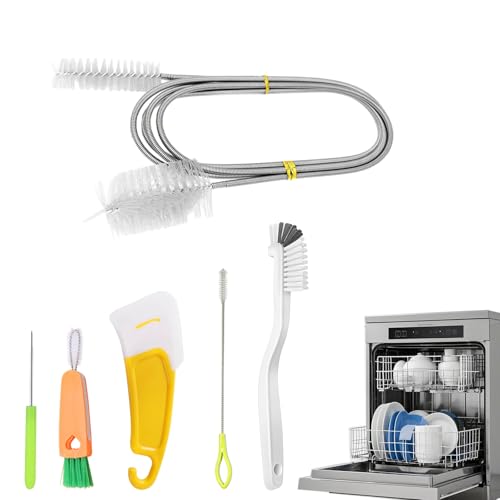
- Dishwasher hose cleaning brush
- Drain auger snake for dishwasher line
- Dishwasher spray arm cleaning brush
- Protective gloves and safety glasses
- Colorful towels or a tray to catch water
- Bucket and sponge for cleanup
- Vinegar or baking soda for odor neutralization (optional)
- Flashlight for better visibility


Before You Start
Prepare the area by pulling the dishwasher away from the wall and ensuring there is a stable surface. Shut off power at the breaker and water supply before starting any work. Have towels ready to catch splashes and a bucket for catching leaks. If you notice standing water that won’t drain, address it cautiously to avoid flooding. This task typically takes 30–60 minutes depending on blockages.
Step-By-Step: How To Clean Dishwasher Lines
- Unplug the dishwasher and turn off the water supply. Safety first prevents accidental shocks and leaks.
- Remove the lower spray arm and check for debris around the hub. Clean the spray arm with a dishwasher spray arm cleaning brush to remove any mineral buildup.
- Inspect the dishwater’s drain hose for kinks or clogs. Detach the hose at the join nearest the sink or disposal if accessible.
- Use a drain auger snake for dishwasher line to gently insert into the drain path. Work the snake in short, controlled motions to break up sediment and prevent pipe damage.
- As you pull the auger out, wipe away collected gunk with a cloth. Reinsert until you feel resistance; rotate slightly to dislodge the blockage.
- Back in the unit, flush the line with warm water by running a short cycle. If a visible clog remains, repeat the auger process and clean the hose ends thoroughly.
- Clean the interior filter and sump area with a soft brush or sponge, paying special attention to corners where grime collects. Use a dishwasher hose cleaning brush on hoses that are accessible.
- Reassemble parts and run a hot water cycle with a cup of white vinegar placed in a dishwasher-safe container on the upper rack to odor-neutralize.
- Inspect for leaks after the test run. If water appears where it shouldn’t, recheck hose connections and seals. For persistent leaks, proceed to professional assessment.
- Document any recurring issues and consider routine maintenance every few months to prevent future clogs.
- For stubborn line issues, consider repeating the drain auger step or consulting a professional if the blockage remains.
Troubleshooting
| Symptom | Likely Cause | Fix | Prevention |
|---|---|---|---|
| Dishwasher won’t drain | Blocked drain line | Use drain auger snake to clear; check hose for kinks | Run routine flushes monthly |
| Odor coming from dishwasher | Food debris in sump | Clean sump and spray arms; run hot cycle with vinegar | Scrape dishes and use proper loading practices |
| Clogs recur near spray arms | Mineral buildup | Clean spray arms with brush; inspect water inlet | Use service-safe cleaners sparingly |
| Leaking after reassembly | Loose hose clamps or seals | Tighten fittings; replace worn gaskets | Check seals during reassembly |
Common Mistakes To Avoid
- Using forceful tools that could bend components instead of careful probing with a flexible brush or auger
- Overlooking the drain path and focusing only on the spray arms
- Neglecting to run a hot cycle after cleaning, which can leave residues and odors
- Assuming all clogs are the same; different dishwasher models have different drain layouts
Taking a deliberate, patient approach reduces damage and improves results.
Tips For Best Results
- Work with warm water to soften mineral deposits before scrubbing
- Detach and inspect the drain hose connections to ensure there are no hidden blockages
- Use a brush that fits the diameter of hoses and spray arms to avoid damaging plastic parts
- Schedule routine cleanings every few months to prevent heavy buildup
Call A Professional
Consider calling a plumber or service technician if water leaks persist, the drain remains blocked after repeated attempts, or you hear unusual noises during operation. Do not attempt major internal disassembly beyond your comfort level, particularly if the unit is under warranty. If the dishwasher is old or shows signs of corrosion, a professional assessment helps prevent further damage.
FAQ
How often should I clean dishwasher lines?
For most households, a routine clean every 3–6 months keeps lines clear and odors minimal.
Can I use chemical cleaners to unclog dishwasher lines?
Non-caustic, appliance-safe cleaners are preferred. Follow product directions and avoid mixing cleaners that could create fumes.
Is a drain auger safe for dishwashers?
Yes, when used gently and designed for small-diameter lines; forceful use can damage hoses.
What if water still doesn’t drain after cleaning?
Check the air gap, disposal connection, and inlet valve. If unresolved, seek professional service.
Buying Guide
When choosing tools for cleaning dishwasher lines, prioritize compatibility with your unit’s hose size and accessibility. Consider the following factors to ensure effective maintenance and ease of use.
- Size and compatibility: Ensure brushes and augers fit standard dishwasher hoses and spray arms. Measure openings if necessary.
- Build quality: Look for rust-resistant materials and durable bristles that won’t shed into the machine.
- Ease of use: Pick ergonomically designed handles and flexible Augers that reach tight spaces without forcing components.
- Versatility: A set that includes a spray arm brush and a drain auger is valuable for comprehensive maintenance.
- Safety: Non-slip grips and protective gloves help prevent accidents during disassembly and cleaning.
For most homes, a focused toolkit featuring a dishwasher hose cleaning brush, a drain auger snake for dishwasher line, and a dishwasher spray arm cleaning brush covers the essentials. If the system has recurring issues, pairing these tools with a service visit can resolve deeper problems and extend the dishwasher’s life.
Leave a Reply