How to Get Rid of Toilet Ring
Toilet rings and mineral deposits can mar the look of a bathroom and make cleaning feel like an endless task. With the right approach and safe cleaning tools, you can restore a bright, clean bowl. This guide covers practical steps, recommended products, and maintenance tips to keep mineral rings from returning.
Quick Answer
Build a plan using a pumice stone or mineral-ring remover for tough mineral deposits, paired with a stiff-bristle brush or disposable wand heads for ongoing maintenance. Start with the least aggressive method and escalate only as needed to avoid damaging the porcelain.
What You’ll Need
- Toilet bowl pumice stone hard water ring remover
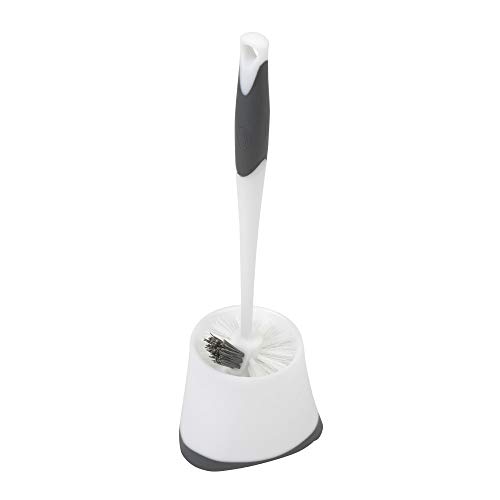
- Toilet bowl cleaning brush with stiff bristles for mineral rings
- Toilet cleaning wand disposable heads hard water stain remover


Before You Start
Before cleaning, put on rubber gloves and ensure good ventilation. Turn off the water supply to the toilet if you plan to scrub stubborn rings and avoid splashing. Scan the bowl for cracks or chips; avoid abrasive tools if the porcelain is damaged. Typical cleaning sessions take about 10–20 minutes, depending on the severity of the mineral buildup. Do not use metal brushes or abrasive powders on delicate finishes, and never mix strong acids with bleach.
Step-By-Step: How To Get Rid Of Toilet Ring
- Wet the bowl and apply a dedicated mineral-ring remover or a paste of mild cleaner around the ring. Let it sit for 5–10 minutes to soften deposits.
- Gently rub the ring with a toilet cleaning brush with stiff bristles, using circular motions to lift the mineral layer without scratching the glaze.
- For stubborn areas, lightly dampen a toilet bowl pumice stone and carefully chip away the ring, keeping the stone flat against the surface to avoid gouges.
- Rinse the bowl with clean water, then scrub again to remove any loosened material and to reveal a clean surface.
- If water lines persist, use a toilet cleaning wand disposable heads hard water stain remover to reach under the rim and scrubbing edges where mineral buildup hides.
- Flush the toilet and inspect for any remaining staining. Repeat the process on small areas as needed.
- For ongoing prevention, treat the bowl with a weekly cleaner designed for mineral deposits and consider brushing the bowl’s interior walls during routine cleaning.
- Dispose of used disposable heads or replace implements as recommended by manufacturers to maintain hygiene and effectiveness.
- Rinse tools thoroughly after use and store in a dry, ventilated area to prevent mold growth.
- Document any recurring issues: hard water concentration or mineral content may require a more targeted water-softening approach.
- When deposits return quickly, consider pairing cleaning with a water-softening solution in the tank or home water filtration system to reduce mineral load.
Troubleshooting
| Symptom | Likely Cause | Fix | Prevention |
|---|---|---|---|
| Ring returns within days | Persistent mineral content | Use pumice stone with care and switch to a mineral-softening routine | Install a water-softener or use a yearly deep-clean |
| Porcelain abrasions after cleaning | Abrasive scrubbing | Switch to softer brushes and avoid heavy scrubbing | Follow product guidelines and test on a hidden area first |
| Streaks after rinsing | Residual cleaner residue | Rinse thoroughly with clean water | Flush twice and wipe with a dry cloth |
| No improvement after pumice | Deposits under glaze or stubborn calcite | Apply mineral-ring remover again per instructions and allow longer dwell time | Schedule routine maintenance |
Common Mistakes
- Using harsh abrasives that scratch the porcelain
- Choosing acidic cleaners on porcelain without proper dilution
- Ignoring safety guidelines and skipping ventilation
- Neglecting routine maintenance, leading to recurring buildup
- Relying on single-method fixes for hard water issues
Consistency matters. A light weekly clean combined with occasional deep cleans prevents mineral rings from forming. Always read product labels before use and follow safety instructions.
Tips For Best Results
- Use hot water to help dissolve mineral deposits, but avoid scalding the porcelain.
- Pre-wet the area to reduce splashing and improve cleaner contact time.
- Keep a dedicated brush for mineral rings to avoid cross-contamination with other surfaces.
- Test any abrasive tool on a hidden area first to ensure porcelain integrity remains intact.
- Schedule preventive cleaning after periods of heavy rainfall or seasonal water changes, when mineral content can spike.
Call A Professional
Consider professional help if:
- Stubborn rings persist after multiple deep-clean attempts
- You notice cracks, chips, or glazing damage in the bowl
- There is suspicious staining that could indicate underlying plumbing issues
Experts can assess whether mineral buildup is a symptom of hard water, plumbing mineral deposits, or a more complex issue that requires specialized equipment.
FAQ
What is the best tool for removing toilet ring?
A toilet bowl pumice stone or a dedicated mineral-ring remover paired with a stiff-bristle brush is effective when used carefully on porcelain.
Can I use bleach to remove mineral rings?
Bleach can help sanitize, but strong acids or bleach should be used with caution and never mixed with ammonia or other cleaners. Follow product instructions.
How often should I clean mineral rings?
Clean light mineral rings weekly and perform a deeper clean monthly or as needed based on water hardness and usage.
Should I install a water softener?
Yes, a home water softener or conditioning system can reduce mineral deposits over time and make routine cleaning easier.
Are there safe alternatives to pumice on porcelain?
Non-abrasive cleaners and soft scrubbing pads designed for bathrooms can minimize risk, but may require longer dwell times for tough deposits.
Buying Guide
When choosing products to combat toilet rings, consider size of the toilet bowl, water hardness, and cleaning preferences. Look for tools with gentle, effective formulas and clear instructions. Noise level isn’t a primary concern indoors, but user-friendly designs can ease routine maintenance. For placement, store cleaning tools in a ventilated cabinet or with a small lid to reduce odors. Compare options that combine a robust mineral-ring remover, stiff-bristle brushes, and convenient disposable heads to simplify maintenance. For best results, select a kit that includes a pumice stone, a compatible cleaner, and replacement heads that suit your toilet’s rim design. If possible, review user feedback about efficacy with hard water in homes similar to yours to gauge real-world performance.
Leave a Reply