How to Get Rid of Lint on New Towels
Lint on new towels can be common right after purchase or first few washes. Properly addressing residual fibers helps towels feel softer and look cleaner, while preventing further lint buildup during future uses. This guide provides practical steps and tools commonly used in American households to reduce lint on towels efficiently.
Quick Answer
Use a lint roller extra sticky 9 inch for towels to remove surface fuzz, followed by a fabric shaver for towels lint and pilling remover to lift pills. For ongoing lint control, run towels through a gentle cycle with a dryer lint catcher balls towels lint reduction to trap loose fibers and reduce shedding in the dryer.
What You’ll Need
- Lint roller extra sticky 9 inch for towels
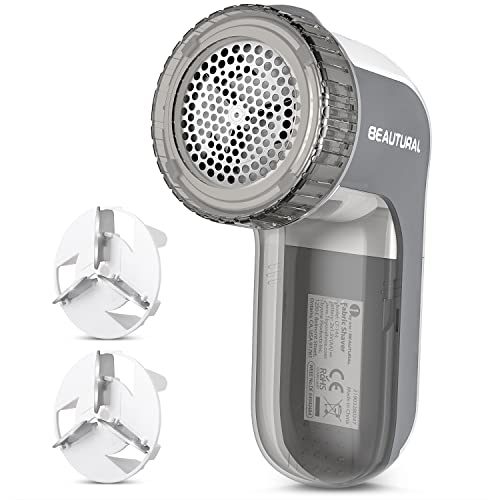
- Fabric shaver for towels lint and pilling remover
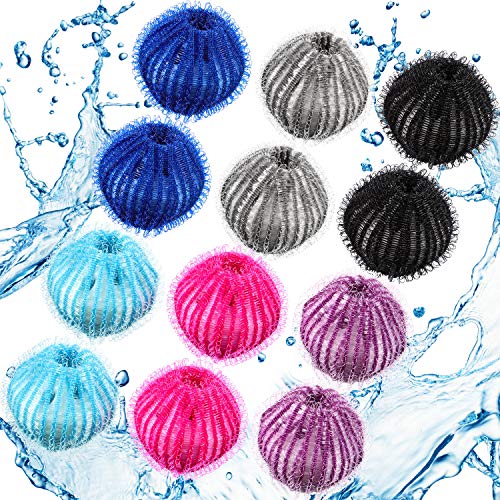
- Dryer lint catcher balls towels lint reduction

Before You Start
Prepare a clean workspace and gather the listed tools. Wash towels separately from other fabrics to prevent cross-contamination of fibers. Avoid hot water or harsh detergents on new towels which can increase fiber shedding. Estimate 15–30 minutes for initial lint removal and 1–2 additional cycles for thorough smoothing. If you notice color fading or loose threads, stop and reassess to prevent damage.
Step-By-Step: How To Remove Lint From New Towels
- Inspect towels for heavy pills or loose threads to determine the best starting point.
- Gently brush or shake towels to remove loose fibers before any tool use.
- Run a lint roller extra sticky 9 inch for towels across the surface in vertical strokes to lift surface lint.
- Turn towels over and repeat on the reverse side to catch hidden lint.
- Use a fabric shaver for towels lint and pilling remover on light, even passes to lift pills without damaging fabric.
- Wash towels separately on a gentle cycle with a mild detergent to flush away loosened fibers.
- Dry towels using a low heat or air-dry setting, then add dryer lint catcher balls towels lint reduction to collect remaining lint in the dryer.
- Once dry, perform a final lint roll to remove any lingering fibers before storing.
Troubleshooting
| Symptom | Likely Cause | Fix | Prevention |
|---|---|---|---|
| Lint returns after washing | Laundry with lint-producing fabrics | Wash towels separately or with similar textiles | Pre-screen fabrics before washing |
| Pills reform after trimming | Overly aggressive shaver pressure | Use light pressure and short sessions | Test on a hidden area first |
| Surface feels rough after drying | Over-drying or high heat | Switch to low heat or air-dry | Remove towels promptly when dry |
| Streaks or residue after lint rolling | Residual fibers stuck in roller | Clean roller between passes | Use fresh roller sheets as needed |
Common Mistakes
- Using high heat during drying, which can set fibers and pills
- Overusing a fabric shaver on delicate towel fabrics
- Lateral rubbing with a lint roller instead of steady vertical strokes
- Washing towels with heavy lint-producing items like fleece blankets
Tips For Best Results
- Always start with a clean lint roller and check for wear on the adhesive sheets to avoid redistributing lint.
- Test the fabric shaver on a small area to calibrate pressure and speed.
- Consider a brief cold rinse before the main wash to minimize fiber release.
- Use a neutrally charged dryer setting to reduce static that can attract lint.
- When storing towels, keep them in a clean, dry area to prevent dust adherence.
Call A Professional
Consult a professional if towels show excessive pilling that affects comfort or if lint continues to cling after multiple laundering attempts. Seek help also if the towels are newly purchased and exhibit unusual shedding beyond typical lint, as this may indicate fabric defects or factory processing issues.
FAQ
What is the quickest way to remove lint from new towels?
Use a lint roller extra sticky 9 inch for towels followed by a light pass with a fabric shaver for towels lint and pilling remover.
Can dryer balls help reduce towel lint?
Yes, dryer lint catcher balls towels lint reduction can help trap loose fibers during drying and reduce shedding.
Should I wash new towels before using them?
Yes, washing them first can remove extra fibers and improve softness, but do so on a gentle cycle with mild detergent to minimize lint release.
What should I avoid when trying to remove lint?
Avoid high-heat drying, aggressive scrubbing, and mixing towels with heavy lint-producing textiles in the same load.
Are fabric shavers safe for all towel fabrics?
Most towel fabrics tolerate light use, but always test on a hidden area to prevent damage.
Is it normal for new towels to shed lint?
A small amount of shedding is normal; persistent or heavy lint may indicate processing issues or fabric quality concerns.
How often should I use a lint roller on towels?
Light lint removal after each wash cycle helps maintain smooth surfaces and reduces buildup over time.
Buying Guide
When choosing tools to manage lint on towels, consider size, effectiveness, and compatibility with towel fabrics. A compact lint roller extra sticky 9 inch for towels offers precision for small areas, while a fabric shaver for towels lint and pilling remover provides deeper pill removal for a softer feel. Drying aids like dryer lint catcher balls towels lint reduction can improve laundry efficiency by minimizing lint in the dryer.
Key buying factors include size, noise level, energy efficiency, controls, and placement. For lint control, prioritize devices with strong adhesive sheets, gentle fabric handling, and easy maintenance. Consider whether you prefer manual lint removal for quick touch-ups or automated solutions for ongoing prevention. Think about storage space and how often towels are laundered to determine if a single gadget or a small set best fits the household routine.
Leave a Reply