How to Remove Pomegranate Stains From Clothing
Pomegranate stains can be stubborn due to natural pigments and fruit sugars. The sooner you treat them, the better your chances of fully lifting the color without damaging fabric. This guide provides practical steps and tools commonly available in American households to restore stained garments.
With the right approach, most pomegranate mishaps—including on delicate fabrics—can be resolved using everyday stain removers and a bit of patience. Below you will find a clear method, from quick action to professional help if needed.
Quick Answer
Act fast by blotting the stain, applying a targeted stain remover, and washing in the hottest safe temperature for the fabric. For fruit dyes, use an enzyme-based prewash or fabric stain remover, then launder as recommended on the care tag.
What You’ll Need
Gather these items to tackle pomegranate stains effectively. The list emphasizes enzyme or fruit-stain removers and fabric-safe solutions.
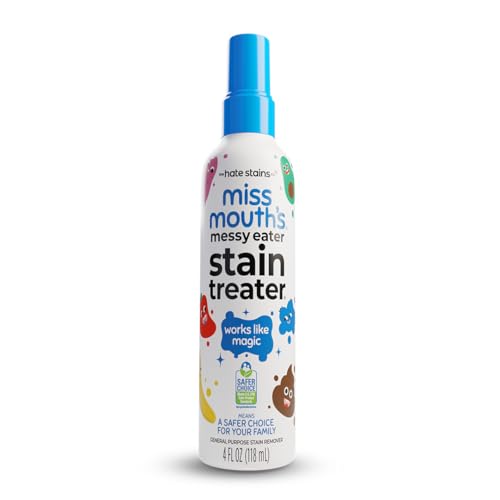
- pomegranate stain remover spray for clothing
- enzyme laundry prewash stain remover for fruit stains
- fabric stain remover pen for fruit stains clothing
- ordinary laundry detergent
- cold to warm water, as appropriate for fabric

Before You Start
Before treating a stain, check the garment care label for guidance on water temperature and pre-treatment restrictions. Test any product on a hidden area to confirm colorfastness. For older stains, a longer soaking can help but avoid prolonged exposure on delicate fibers. Time estimates:
- Fresh stains: 15–30 minutes of treatment
- Older stains: 1–6 hours, or overnight for tough fabrics with care
Important cautions: avoid high heat before removing the stain, which can set color. Do not rub aggressively, which may spread pigment. If the fabric is silk or wool, prefer gentle products designed for delicate fibers and follow the garment’s care instructions.
Step-By-Step: How To Remove Pomegranate Stains
- Blot excess juice gently with a clean cloth or paper towel; do not rub, which can push pigment deeper.
- Rinse the back of the stain with cold water to push the pigment out of the fibers.
- Apply a targeted stain remover spray for clothing or an enzyme-based prewash product directly to the area.
- Gently work the product into the stain with your fingers or a soft-bristled brush for about 30 seconds.
- Let the treatment sit according to the product instructions, typically 5–15 minutes for sprays and 10–20 minutes for enzyme prewash formulas.
- Wash the garment in the hottest water allowed by the care label using a quality laundry detergent. For durable fabrics, prewash cycles with enzyme formulas can improve results.
- Check the stain before drying. If any pigment remains, repeat the treatment or apply a fabric stain remover pen, then launder again.
- Air-dry the garment after successful stain removal to confirm the stain is gone. Avoid heat on damp fabric until you are sure the stain is completely removed.
- For persistent stains on sturdy fabrics, a second treatment with a different remover (if compatible with the fabric) can help, followed by washing again.
Troubleshooting
| Symptom | Likely Cause | Fix | Prevention |
|---|---|---|---|
| Stain remains after first wash | Pigment set or incomplete pre-treatment | Apply enzyme prewash or spray, wait, then rewash | Pre-treat promptly, use enzyme formulas on fruit stains |
| Color transfer to white fabrics | Bleed from colored garment | Wash separately in cold water with color-safe detergent | Wash items of similar colors together |
| Fabric showing signs of wear | Overly aggressive scrubbing or high heat | Switch to gentle spot treatment and air dry | Follow care labels, test on hidden area |
| No improvement after multiple attempts | Stain deeply embedded or dye-based | Consider professional cleaning | Prompt action and appropriate removers |
Common Mistakes
- Rubbing or scrubbing the stain, which drives pigment deeper into fibers.
- Using hot water on protein-rich stains before verifying fiber type.
- Skipping a patch test on delicate fabrics such as silk or wool.
- Assuming all enzyme-based products are interchangeable; follow label instructions for each fabric type.
Tips For Best Results
- Treat promptly: immediate action increases success rates significantly.
- Use enzyme-based products for fruit stains, as they’re designed to break down natural sugars and pigments.
- Test any product on a hidden seam or hem before applying to the main stain.
- Follow up with a second wash if the stain remains after the first cycle.
- For stubborn stains on white fabrics, consider a color-safe oxygen bleach option if the fabric care label permits.
Call A Professional
If the stain persists after multiple treatments or if the fabric is high-value or irreplaceable, seek professional cleaning. Stop treatments if you notice fabric damage or color bleeding that worsens with water exposure. Complex textiles like silk, satin, or wool may require specialized solvents and procedures that professionals provide to avoid permanent harm.
FAQ
Can enzyme cleaners remove all pomegranate stains?
Enzyme cleaners are highly effective for many fruit stains, but some dyes may resist treatment on certain fabrics. Always follow care labels and test first.
Is it better to use a stain remover spray or a fabric pen?
Sprays deliver quick coverage for larger areas; fabric pens work well for pinpointing residual spots. Use both as needed, following label directions.
Should I soak stained clothes?
Soaking can help older stains but check fabric tolerance. Use cool or warm water as advised by the care label and avoid long soaks on delicate fabrics.
What if the stain returns after washing?
Some pigments can reappear if heat is applied. Re-wet the area, reapply remover, and wash again at a lower heat setting before drying.
Buying Guide
Choosing the right stain-removal tools can improve outcomes for pomegranate stains across fabrics. Consider the following factors to balance effectiveness, fabric safety, and cost.
- Size and coverage: For frequent stain incidents, a larger spray bottle or multiple removing options can be convenient.
- Noise level and ease of use: Some spray bottles are snappier and easier to apply than pens; choose what fits your routine.
- Energy efficiency and eco-friendliness: Look for enzyme-based formulas that are effective at lower temperatures and are labeled as safe for fabrics.
- Controls and labeling: Clear instructions, fabric-specific directions, and color-safe claims help avoid fabric damage.
- Placement considerations: Keep stain removers handy near laundry areas or in the laundry room for quick access.
In practice, many households benefit from a combination: a pomegranate stain remover spray for clothing for broad area treatment, an enzyme laundry prewash stain remover for fruit stains for tough spots, and a fabric stain remover pen for fruit stains clothing for precise touch-ups. This trio covers most common scenarios and fabric types you’ll encounter in American households, from everyday cottons to blends and synthetics.
Leave a Reply