How to Clean Porcelain Pavers Effectively
Porcelain pavers offer a durable, low-maintenance option for outdoor spaces, but they require regular cleaning to keep their finish and color looking fresh. This guide walks American homeowners through practical steps to clean porcelain pavers safely and efficiently, using common tools and a spray cleaner designed for outdoor surfaces.
Follow these steps to remove surface dirt, mildew, and stubborn stains without damaging the porcelain or surrounding landscaping.
Quick Answer
Use a porcelain paver cleaner spray for outdoor use along with a stiff nylon deck brush and a cold water pressure washer with an adjustable spray nozzle. Apply cleaner, scrub with the brush, and rinse with a gentle high-pressure wash to avoid etching or chipping the grout lines.
What You’ll Need
- porcelain paver cleaner spray 32 oz outdoor
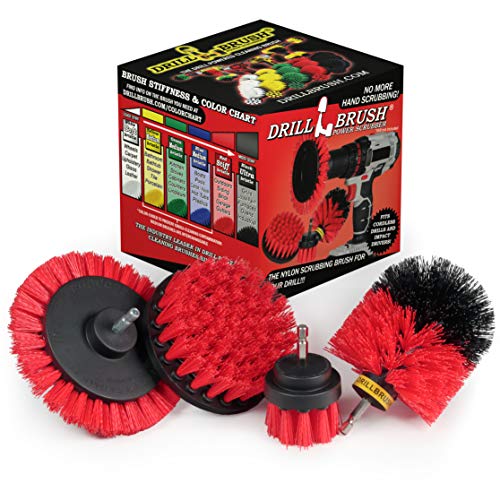
- stiff nylon deck brush for porcelain paver cleaning
- cold water pressure washer with adjustable spray nozzle for outdoor porcelain pavers
- optional: bucket, soft-bristle brush for delicate areas
- gloves and eye protection

Before You Start
Assess the area for loose tiles or damaged grout. Repair any loose pavers before cleaning to prevent further damage. Protect surrounding plants and lawns from chemical runoff and cover nearby surfaces if needed. Time estimate: 60–90 minutes for a typical patio area. Wear protective gloves and eye protection to prevent chemical contact.
Step-By-Step: How To Clean Porcelain Pavers
- Clear the area of furniture and debris to create a clean work zone.
- Rinse the surface with plain water to loosen loose dirt and prevent scratches during scrubbing.
- Apply the porcelain paver cleaner spray outdoor evenly over the pavers, focusing on stained or mold-prone areas.
- Let the cleaner sit for 5–10 minutes to penetrate soil without drying out or etching the surface.
- Scrub the tiles with a stiff nylon deck brush for porcelain paver cleaning, using firm back-and-forth motions along the grout lines.
- Rinse the area with a cold water pressure washer set to a low-to-moderate pressure, keeping the nozzle at a safe distance to avoid lifting or chipping.
- Re-clean any stubborn spots by repeating the spray application and brushing step, then rinse again thoroughly.
- Inspect the grout lines and tile faces; repeat treatment on persistent stains, if necessary.
- Allow the surface to dry completely before moving furniture back or walking on it.
- For routine maintenance, rinse monthly and deep-clean quarterly or after heavy mildew growth seasons.
- Store cleaning products safely, away from children and pets, and follow label directions for best results.
- If efflorescence or oil stains persist, consider a specialized cleaner compatible with porcelain that targets those issues.
Troubleshooting
| Symptom | Likely Cause | Fix | Prevention |
|---|---|---|---|
| Streaks after cleaning | Improper rinsing or residue from cleaner | Rinse thoroughly with clean water and repeat as needed | Rinse with a steady, wide arc; avoid pooling cleaner |
| Discoloration or dull finish | Aggressive cleaning or harsh chemicals | Switch to milder cleaner and shorter contact time | Use the recommended cleaner and test on a small area first |
| Scratching during scrubbing | Rinsed surface with heavy grit | Use a softer brush in delicate areas | Pre-wet surface, use lighter pressure |
| Efflorescence on grout | Moisture pulling salts to the surface | Clean with a cleaner designed for efflorescence and rinse | Improve drainage and reduce wet times after rain |
Common Mistakes
- Using high-pressure settings that damage porcelain or dislodge grout
- Applying cleaner in direct sun or letting it dry on the surface
- Using metal brushes or abrasive pads that scratch the tile
- Neglecting rinsing, leaving chemical residue behind
Tips For Best Results
- Test cleaner on a small, inconspicuous area before full application.
- Work in shaded sections to prevent quick evaporation of the cleaner.
- Follow the manufacturer’s instructions for dwell time and dilution if applicable.
- Sweep or blow away leaves and debris prior to cleaning to avoid embedded grit.
Call A Professional
Consider a professional if porcelain pavers show severe staining, persistent mold growth, or damage to grout and mortar joints. Stop usage and contact a pro if you notice cracking, lifting, or loose pavers that could cause safety hazards.
FAQ
What is the best cleaner for porcelain pavers?
Choose a spray-on porcelain paver cleaner designed for outdoor use, following label directions and dwell times for optimal results.
Can I use a standard garden hose for rinsing?
A gentle rinse with a hose is fine, but a cold water pressure washer offers better debris removal without masking surface texture.
How often should porcelain pavers be cleaned?
Routine maintenance: rinse monthly and deep-clean every 3–6 months depending on weather and foot traffic.
Will cleaning damage the grout?
Using too high pressure or aggressive scrubbing can wear grout; stick to medium pressure and a nylon brush for grout lines.
Are porcelain pavers safe for pets and plants?
Yes, when cleaners are properly diluted and runoff is minimized with rinsing and containment measures.
Buying Guide
When selecting tools and cleaners for porcelain pavers, consider size, noise, energy use, and placement of equipment. For outdoor spaces, a 32 oz cleaner bottle is convenient for spot treatments, while a cold water pressure washer with adjustable spray nozzle provides scalable cleaning power without damaging tiles. Look for a stiff nylon deck brush with a durable handle to reach grout lines and crevices. For larger areas, choose a larger spray bottle or concentrate that can be diluted on-site. Noise levels should be reasonable for residential settings, and portability matters if you have multiple patio zones. Finally, ensure cleaners are labeled safe for porcelain and outdoor use, and verify compatibility with any existing paver sealants. Would you like help selecting a setup based on your space size and typical stain types?
Leave a Reply