How to Clean Boat Cushions
Boat cushions add comfort and style to any vessel, but exposure to sun, salt, spills, and mildew can dull upholstery. This guide provides a practical, step-by-step approach to cleaning and restoring marine cushions using common cleaners designed for vinyl and fabric. Read on for safe techniques that protect cushions and extend their life on the water.
Quick Answer
Spot clean stains with marine vinyl cleaner spray for boat cushions, then use a boat cushion upholstery cleaning kit vinyl fabric cleaner for deeper cleaning. Finish with a marine mildew remover and conditioner for boat cushions vinyl to prevent mold and keep colors vibrant.
What You’ll Need
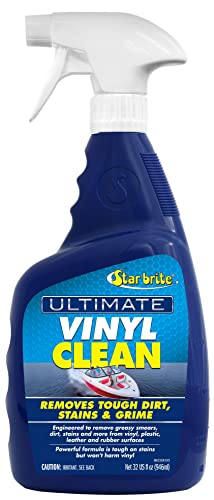
- Marine vinyl cleaner spray for boat cushions
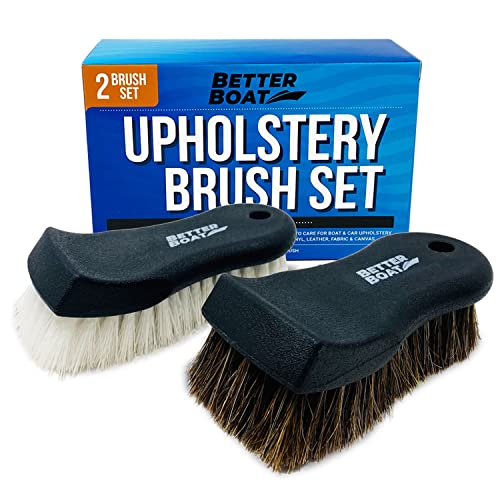
- Boat cushion upholstery cleaning kit vinyl fabric cleaner
- Marine mildew remover and conditioner for boat cushions vinyl

Before You Start
Prepare a well-ventilated area, ideally outdoors or in a shaded workspace. Remove cushions from the boat or move them to a dry, open area. Brush off loose dirt with a soft-bristle brush, and test cleaners on a hidden seam first to check for colorfastness. Time estimate: about 60–90 minutes for a thorough clean, plus drying time. Avoid harsh solvents on vinyl as they can cause cracking. Work in small sections to prevent cleaner from drying prematurely.
Step-By-Step: How To Clean Boat Cushions
- ɪdentify cushion material: verify vinyl is the primary upholstery; fabric cushions may require a different approach. Use marine vinyl cleaner spray for boat cushions on vinyl surfaces.
- Remove cushion covers if possible: check zippers and Velcro. Launder removable covers according to care labels if available, then air-dry completely.
- Pre-treat stains: spray a light mist of marine vinyl cleaner spray for boat cushions on stubborn spots like spills, ink, or sunscreen, and gently blot with a microfiber cloth.
- Clean with the kit: apply the boat cushion upholstery cleaning kit vinyl fabric cleaner according to package directions. Use a soft brush to lift dirt from seams and textures.
- Rinse and remove soapy residue: wipe with a damp cloth, then rinse the area with clean water. Avoid saturating cushions; excess moisture can lead to mildew.
- Dry thoroughly: allow cushions to air-dry in a shaded area with good ventilation. If possible, position cushions upright to improve airflow and prevent pooling moisture.
- Address mildew and odors: once dry, apply marine mildew remover and conditioner for boat cushions vinyl to prevent mold growth and restore suppleness. Follow product directions for contact time.
- Condition and protect: after cleaning and mildew treatment, consider applying a vinyl conditioner to protect the surface and keep colors vibrant. Wipe away any excess conditioner.
- Reassemble and rotate: once completely dry, reattach cushion covers or reinstall cushions. Rotate cushions regularly to even wear and sun exposure.
- Inspect for issues: check seams, zippers, and stitching. Repair minor tears promptly to prevent water intrusion and further damage.
Troubleshooting
| Symptom | Likely Cause | Fix | Prevention |
|---|---|---|---|
| Stains reappear after cleaning | Residual oils or sunscreen | Re-treat with vinyl cleaner and rinse thoroughly | Wipe spills promptly; use seat covers |
| Fading color after cleaning | Overuse of cleaners or sun exposure | Use a milder cleaner and apply vinyl conditioner | Limit direct sun on cushions; use shade covers |
| Persistent mildew odor | Moisture trapped inside foam | Increase drying time and apply mildew remover | Dry cushions completely; use breathable storage |
| Rings or water stains on vinyl | Water penetration or improper rinsing | Rinse thoroughly and dry flat | Avoid soaking; dry promptly |
Common Mistakes
- Using harsh household cleaners not formulated for vinyl
- Doing heavy cleaning while cushions are still damp
- Over-saturating foam cores, which invites mold
- Neglecting to test cleaners on hidden areas before full application
- Skipping the drying step, leading to mildew growth
Tips For Best Results
- Test colorfastness on an inconspicuous seam before full cleaning.
- Use microfiber cloths to reduce lint and scratching on vinyl surfaces.
- Schedule a seasonal cleaning to prevent buildup of salt and sunscreen residues.
- Store cushions in a dry, ventilated space when not in use to deter mildew.
- Label cushions and keep track of care products to avoid cross-contamination of cleaners.
Call A Professional
Consult a professional if cushions show deep cracking, severe sun damage, or persistent odors after multiple cleanings. Stop cleaning if you notice bubbling, color loss, or if the foam inside shows deterioration. Seek expert help for reupholstery or foam replacement when cushions lose shape or waterproofing.
FAQ
Can I clean boat cushions while they’re on the boat?
Yes, but work from a shaded area and protect nearby surfaces to avoid water damage and cleaner runoff.
How often should I clean vinyl boat cushions?
Light maintenance monthly and a deep clean every 3–6 months, depending on usage and exposure.
Are there any cushions I should not clean with these products?
Fabric or sunbrella fabrics may require different cleaners; always follow manufacturer care labels.
What if color fades after cleaning?
Use a milder cleaner and reapply a vinyl conditioner to restore surface gloss; if fading persists, consider professional refinishing.
Is it safe to use bleach on boat cushions?
No, bleach can damage vinyl and foam. Use cleaners formulated for marine vinyl instead.
Buying Guide
Choosing the right cleaners and protection for boat cushions involves evaluating several factors. Start with material type and usage environment to match appropriate products, such as marine vinyl cleaner sprays and mildew removers designed for marine conditions. Consider cushion size, because larger cushions may require more product and time. Noise level and formula compatibility matter when cleaning inside enclosed cabins.
Key buying factors include:
- Size and coverage: Ensure the cleaner kit covers your cushion dimensions and is easy to apply to large surfaces.
- Noise level and odor: Choose low-odor, non-abrasive formulas for indoor use or enclosed spaces.
- Energy efficiency and ease of use: Look for sprayable or foam formulas that minimize rinsing and energy use during cleaning sessions.
- Controls and application: Select products with clear instructions and gentle brush compatibility to avoid surface damage.
- Placement and storage: Keep cleaning supplies in a dry, ventilated area away from direct sunlight; store cushions fully dry to prevent mildew.
When comparing options, consider whether a combined kit with vinyl cleaner spray, fabric cleaner, and mildew conditioner offers the most convenient, all-in-one solution for your boat. If you frequently deal with salt spray or mildew, investing in a dedicated mildew remover and conditioner can save time and protect cushion longevity. Always read label directions and perform a spot test before full application to ensure optimal results.
Leave a Reply