How to Get Rid of Yeast Smell in Your Home
Yeast odors can linger in kitchens, bathrooms, and laundry spaces, especially in damp environments. This guide explains practical, store-friendly steps to neutralize yeast odors effectively, using common cleaning tools and targeted odor control products.
By following a methodical approach—cleaning, deodorizing, and monitoring air quality—homeowners can reduce musty and sour notes that yeast odors often produce. The tips below focus on safe cleaning practices for everyday surfaces and fabrics, with recommendations for products that help eliminate odor at the source.
Quick Answer
Best short plan: start with a thorough cleaning using an enzyme cleaner to break down organic residues, then apply an odor eliminator spray to treated areas, and finish with an air purifier or activated carbon filter to maintain fresh air. Reassess after 24–48 hours and repeat as needed.
What You’ll Need
- Enzyme cleaner odor remover 32 oz kitchen bathroom odor elimination
- Odor eliminator spray for yeast smell 16 oz
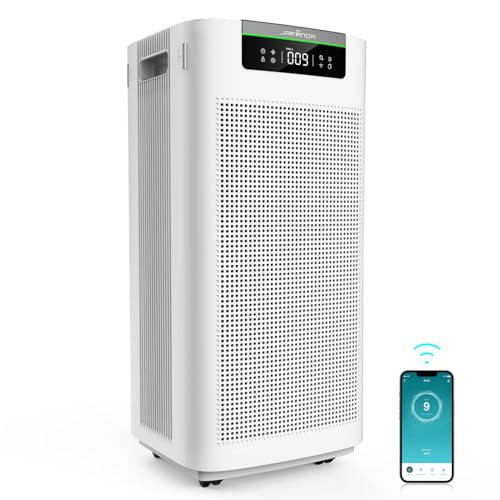
- Air purifier activated carbon filter for odor removal 200 sq ft


Before You Start
Before tackling yeast odors, prepare a plan and ensure good ventilation. Open windows if weather allows and run a fan to create air movement. Wear gloves when applying cleaners and avoid mixing chemical products. Time estimates vary by space but plan for at least 1–3 hours for initial cleaning, plus additional time for drying and setup of air devices. Critical cautions: never mix enzyme cleaners with bleach or ammonia, and avoid saturating fabrics that may mold if kept damp.
Step-By-Step: How To Remove Yeast Odor
- Identify odorous sources: check sinks, drains, garbage areas, standing water, damp towels, and laundry hampers for visible residues that harbor yeast growth.
- Apply enzyme cleaner: use the enzyme cleaner odor remover 32 oz on surfaces with organic buildup. Follow label instructions for dwell time to break down proteins and residues that feed yeast.
- Wipe and rinse: after the enzyme cleaner has worked, wipe surfaces with a clean cloth and water if the product requires rinsing. Allow to dry completely.
- Treat fabrics and soft surfaces: lightly dampen linens, towels, or mats with the enzyme cleaner (or a product-safe alternative) and let them air dry in a well-ventilated area.
- Spray odor hotspots: use the odor eliminator spray for yeast smell on high-odor zones such as cabinets, countertops, and near drains. Avoid oversaturation; apply a light, even mist and let dry.
- Address the air: run the air purifier activated carbon filter for odor removal 200 sq ft in rooms where odor persists. If possible, place the purifier near the source and maintain proper airflow.
- Ventilate and monitor: keep windows open or fans running for several hours after treatment. Check for residual odors after 24 hours and repeat targeted steps if necessary.
- Prevention plan: reduce moisture by fixing leaks, improving bathroom ventilation, and washing damp textiles promptly to prevent yeast regrowth.
- Deep-clean recurring areas: periodically repeat the enzyme cleaner treatment in problem zones, especially in kitchens and bathrooms with humid conditions.
- Check for secondary sources: ensure garbage disposals, sinks, and drains are clean and free of organic build-up to prevent odor re-emergence.
- Reassess odor control: after a day or two, re-evaluate the space and reapply products if the smell persists in isolated spots.
Troubleshooting
| Symptom | Likely Cause | Fix | Prevention |
|---|---|---|---|
| Smell returns after cleaning | Hidden sources or insufficient ventilation | Reinspect drains and moisture-prone areas; run purifier longer | Maintain humidity below 50% and use dehumidifier in damp rooms |
| Odor concentrated in fabrics | Textiles saturated with organic matter | Wash or replace fabrics; treat with enzyme cleaner before washing | Promptly dry towels and mats; avoid leaving damp textiles |
| Unpleasant kitchen smell | Food spoilage or residue in disposal areas | Clean disposal and sink traps; sanitize with appropriate cleaners | Regular kitchen cleaning and drain maintenance |
| Air purifier seems ineffective | Filter saturation or inadequate room size | Replace carbon filter; ensure purifier covers the space | Place purifier centrally and operate continuously during odor-prone periods |
Common Mistakes
- Using bleach on organic residues that yeast feeds on, which can create fumes and fail to address the odor at its source
- Over-wetting fabrics, which may encourage mold growth and worsen odors
- Assuming odor is gone after a single treatment without verifying hidden sources
- Neglecting ventilation in damp areas, allowing yeast to rebound
Tips For Best Results
- Combine enzyme cleaners with a targeted spray for maximum residue breakdown and surface deodorization
- Run the air purifier with a fresh carbon filter for several hours daily in odor-prone rooms
- Keep humidity levels low in bathrooms and kitchens using ventilation fans or a dehumidifier
- Label and rotate cleaning products to avoid chemical interactions and maximize effectiveness
Call A Professional
Consult a professional if odors persist after multiple cleaning cycles, if mold growth is suspected, or if you notice persistent musty smells despite ventilation. Signs that warrant expert help include visible mold, ongoing condensation, or signs of water damage that could be contributing to yeast-related odors.
FAQ
What causes yeast odor in homes?
Yeast odor typically stems from organic residues and damp conditions that encourage yeast growth in drains, fabrics, and porous surfaces.
Can an air purifier eliminate yeast smell completely?
Air purifiers help reduce odors by filtering particulates and gases, especially with activated carbon filters, but addressing the source is essential for complete removal.
How often should I use enzyme cleaner to control odors?
Use enzyme cleaners on affected surfaces as needed, especially in high-humidity areas, and maintain routine cleaning to prevent odor buildup.
Are there natural methods to reduce yeast odor?
Natural methods like improved ventilation, regular laundry, and thorough drying can complement chemical cleaners but may be less effective on persistent odors.
Is it safe to mix products for yeast odor removal?
Do not mix cleaning products; follow label instructions to avoid hazardous reactions.
Should I replace fabrics that smell?
If odor persists after treatment, laundering or replacing affected fabrics is recommended to prevent re-emergence of the smell.
Buying Guide
Choosing the right odor-control setup involves considering space size, noise, energy use, and placement. For areas up to 200 square feet, a compact air purifier with an activated carbon filter is generally effective, especially when paired with targeted enzyme cleaners and odor sprays. Evaluate the noise level if the device will operate in bedrooms or offices, and look for Energy Star-rated models to reduce electricity use over time.
Key buying factors include:
- <bSize and capacity: Match the purifier’s recommended room size to the space you are treating.
- <bFilter type: Activated carbon filters excel at adsorbing odors; HEPA filters improve particulates but are less focused on odors.
- <bNoise level: Choose models with low decibel ratings for quiet operation in bedrooms or study areas.
- <bControls and indicators: Look for simple on/off, timer, and filter-change indicators to maintain performance.
- <bPlacement: Position purifiers away from walls, at breathing height, and near primary odor sources for best results.
- <bMaintenance cost: Consider filter replacement frequency and cost to estimate long-term expenses.
- <bCombination approach: Pair the purifier with enzyme cleaners and odor sprays for comprehensive odor control.
Choosing a set of products that address both the source and the air can provide the most reliable results. If odor problems persist in kitchens or basements, it might be worth combining a purifier with a targeted cleaning regimen to maintain a fresh, comfortable environment.
Leave a Reply