How to Clean Binocular Lenses
Binocular lenses require careful care to preserve clarity and color accuracy. Proper cleaning removes dust, fingerprints, and oils without scratching delicate coatings. This guide outlines practical steps, recommended tools, and safety tips to keep your binoculars performing at their best in the field or at home.
Attention to detail matters. Improper cleaning can degrade image quality and shorten lens life. Following a structured routine helps maintain performance while avoiding common mishaps that scruff or smear lenses.
Quick Answer
Best practice: use a soft brush or air blower to remove loose dust, then a microfiber cloth with light pressure and gentle circular motions. For stubborn smudges, employ a dedicated lens cleaning pen or a binocular lens cleaning kit. Always keep tools clean and store lenses in protective caps when not in use.
What You’ll Need
Having the right tools makes cleaning easier and safer. The tools below are commonly used for binocular maintenance and align with typical product categories.
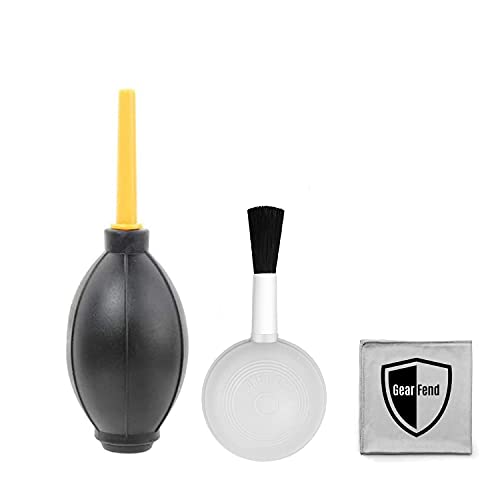
- Binocular lens cleaning kit
- Microfiber cloth
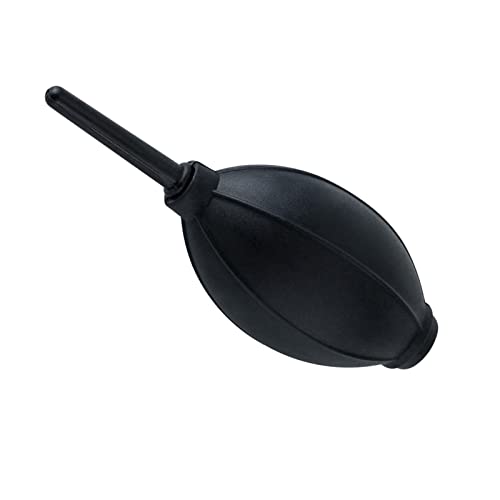
- Blower brush
- Lens cleaning pen for binoculars
- Soft brush
- Air blower for camera and binocular lens cleaning

Before You Start
Before cleaning, check that the binoculars are cool and dry. Work in a clean, dust-free area and avoid cleaning in windy outdoor environments where new particles can settle on lenses. Inspect the objective lenses for scratches or coatings that may require professional care. Never use household solvents or rough materials that can abrade coatings. Time for a typical cleaning session ranges from 5 to 15 minutes depending on dirt level.
Step-By-Step: How To Clean Binocular Lenses
- Remove any caps and gently inspect the lenses for loose particles or grit.
- Hold the binoculars with the lenses facing downward to prevent particles from settling back onto the glass.
- Use a blower brush to dislodge dust from the lens surface without making contact.
- If dust remains, gently sweep with a microfiber cloth using light, circular motions starting from the center outward.
- Apply a small amount of cleaning solution only if required, and never directly onto the lens. Use the cloth to distribute evenly.
- For stubborn smudges, employ the lens cleaning pen for binoculars with a soft brush end to lift oils without rubbing.
- Wipe again with a dry corner of the microfiber to remove any residue.
- Clean the eyepiece surfaces with the same gentle technique and avoid touching coatings.
- Reassemble by replacing lens caps and ensuring no foreign matter remains in the hinge or focus area.
- Inspect under good light to confirm a clear view with no streaks or halos.
- Store the binocs in a protective case when not in use to prevent dust buildup.
- Periodically repeat the process to maintain peak clarity, especially after outdoor use or rain.
Troubleshooting
| Symptom | Likely Cause | Fix | Prevention |
|---|---|---|---|
| Streaks after cleaning | Residue left on surface | Use a fresh microfiber cloth and very light pressure | Fold and use a clean section of the cloth each pass |
| Dust returns quickly | Gaps around lens edges or caps | Replace caps securely and clean edge seals | Store in a dust proof case |
| Coatings show hazy appearance | Using harsh cleaners or rough materials | Switch to dedicated lens cleaning kit and pen | Avoid solvents and abrasive cloths |
| Oil smudges persist | Fingerprints or skin oils | Apply cleaning pen to break up oils then wipe | Use clean hands and gloves if needed |
Common Mistakes
- Cleaning with household towels or paper towels that can scratch lenses
- Applying liquids directly to lenses, which can seep into internal elements
- Rubbing hard or fast, which risks coating damage
- Neglecting to replace lens caps after use, inviting dust
Tips For Best Results
Consistency beats intensity. Regular light cleaning prevents heavy buildup and makes each session faster. Always work in a clean, calm environment and use fresh materials. If you wear glasses, maintain similar cleaning protocols for compatible results.
For frequent outdoor use, consider a portable cleaning kit that fits your field bag. Keeping a dedicated space for binocular maintenance minimizes cross contamination with other optics.
Call A Professional
Stop and seek professional help if you notice scratches, coating delamination, or fogging between elements. Do not attempt to disassemble or attempt internal cleaning yourself, as this can void warranties and worsen issues.
FAQ
Can I clean binocular lenses with water
Water can cause residue and damage coatings; use only approved cleaning agents and dry cloths unless directed by the manufacturer.
What is the best tool for removing dust
The blower brush is ideal for initial dust removal before any touching of the glass.
How often should I clean my binocular lenses
Clean as needed after exposure to dust, rain, or fingerprints. A light cleaning every few weeks keeps optics in top condition.
Are cheaper lens cleaning kits safe
Choose kits designed for optics and avoid rough tools. Quality microfiber and soft brushes protect coatings.
Buying Guide
Choosing the right accessories improves cleaning results and protects optics. Consider size and weight for travel friendly kits, noise level for quiet operation in libraries, energy efficiency if using powered blowers, and reliable controls for consistent performance. Look for a kit that includes a soft brush, microfiber cloths, and an air blower suitable for both camera and binocular lenses. Assess compatibility with your binocular model and ensure items are residue free and safe for coated lenses. A compact, well organized kit makes routine maintenance easier and more effective.
Final Considerations
Proper cleaning preserves image quality and extends the lifespan of binoculars. By following the steps outlined above and using the right tools, users can maintain sharp visual performance across diverse environments. Regular maintenance helps ensure crisp viewing whether birding, stargazing, or surveying the landscape.
Leave a Reply