How to Clean Cast Iron Furniture
Cast iron furniture adds timeless charm to patios and porches, but it requires specific care to prevent rust and preserve its finish. This guide outlines practical, step-by-step methods using common tools and a few specialty products to keep outdoor cast iron looking sharp.
Quick Answer
Clean cast iron furniture with a soft brush, mild cleaner, and a rust remover liquid for tough spots. Rinse well, dry completely, and apply a protective coating or spray to slow future rusting. For stubborn rust, repeat the process and consider a light sanding followed by resealing.
What You’ll Need
- Stiff nylon scrub brush for cast iron furniture
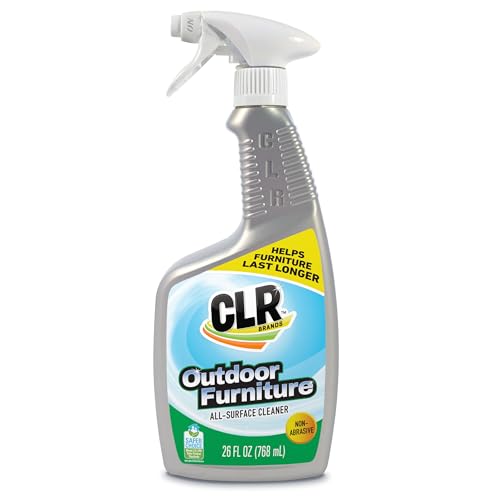
- Patio cast iron furniture cleaner spray
- Cast iron furniture rust remover liquid
- Soft cloths or microfiber towels
- Warm water
- Protective gloves
- Optional: mineral oil or furniture sealant designed for iron


Before You Start
Prepare a well-ventilated workspace, especially if applying cleaners or rust removers. Protect nearby plants and surfaces with plastic or old towels. Wear protective gloves and follow product directions closely. Allow ample drying time between steps to prevent new rust from forming. Important: never use chlorine bleach on cast iron, as it can corrode the metal and finish.
Step-By-Step: How To Clean Cast Iron Furniture
- Inspect the furniture for loose joints, flaking paint, or advanced rust; address any structural issues before cleaning.
- Brush away loose dirt and debris with the stiff nylon scrub brush to prevent scratching during cleaning.
- Spray a light veil of patio cast iron furniture cleaner spray on all surfaces and let it sit for 1–2 minutes to loosen grime.
- Use the brush to scrub with a firm, circular motion, focusing on rust spots and crevices where buildup hides.
- For stubborn rust, apply the cast iron furniture rust remover liquid per label instructions, and gently agitate until the rust loosens.
- Rinse thoroughly with warm water to remove cleaner residue; avoid lingering dampness on joints and underside.
- Dry immediately with a clean, soft cloth. For larger pieces, use a microfiber towel to absorb moisture from hidden recesses.
- Inspect for remaining rust and repeat treatment in affected areas if needed. After drying, apply a thin protective coating or sealant if recommended for your product.
- Reassemble any removed components and test stability before returning the piece to its outdoor site.
- Schedule periodic cleaning every few months or after heavy exposure to rain, salt, or humidity to maintain the finish.
Troubleshooting
| Symptom | Likely Cause | Fix | Prevention |
|---|---|---|---|
| Persistent rust on flat surfaces | Underlying moisture trapped in crevices | Apply rust remover liquid and scrub, then reseal | Wipe dry after rain; place furniture on a dry, elevated base |
| Fading finish after cleaning | Harsh cleaners or over-scrubbing | Switch to milder cleaners; avoid abrasive motions | Test cleaner on a small area first |
| Streaks or water spots | Inadequate drying | Dry thoroughly with a lint-free cloth | Dry in shaded, warm conditions |
| Rust returns within weeks | Surface sealant incompatible with metal | Reseat with a compatible protective coating | Apply sealant per directions and recoat as needed |
Common Mistakes
- Using high-abrasion tools that scratch the iron surface
- Skipping thorough drying after cleaning, which invites new rust
- Over-relying on one cleaner; combining cleaners can damage the finish
- Neglecting joints and undersides that collect moisture
By avoiding these missteps, homeowners can extend the life of their outdoor cast iron furniture and keep its vintage look intact.
Tips For Best Results
- Test cleaners on a small, inconspicuous area before full application.
- Use warm water rather than hot to prevent rapid expansion and potential cracking of paint or finish.
- Consider applying a microcrystalline wax or specialty sealant to slow oxidation after cleaning.
- Regularly inspect for chips and rust; early treatment saves more work later.
Call A Professional
Seek professional help if you notice structural damage, extensive corrosion, or if previous repairs have failed to stabilize the piece. Signs to stop DIY work and contact a pro include severe rust through, corrosion around joints, or if the furniture is an antique with value.
FAQ
Can I use household bleach to clean cast iron furniture?
No. Bleach can corrode metal finishes and worsen rust. Use dedicated rust removers or mild cleaners designed for metal.
Is it necessary to reseal after cleaning?
Not always, but resealing helps slow future rusting. Follow product guidelines for reapplication intervals.
How often should I clean outdoor cast iron furniture?
Every few months or after heavy rain, salty air, or seasonal changes to maintain the surface.
Can I repaint cast iron furniture after cleaning?
Yes, if the finish is damaged. Use a primer suitable for metal and a paint designed for exterior metal surfaces.
What preparation is best before painting?
Thoroughly remove rust, sand rough areas, and ensure the surface is clean and dry before priming.
Is it safe to use a water hose for cleaning?
Yes, on low pressure. Avoid high-pressure streams that can force water into joints and cause rust.
What about cushions or fabric on the furniture?
Remove cushions and store them indoors during cleaning to avoid water damage and mildew.
Buying Guide
When choosing products to maintain cast iron furniture, consider size and type of your pieces, climate, and how often you clean. Look for rust removers that are safe for metal, and cleaners labeled for outdoor use. Size matters for larger patio sets, as you may need multiple bottles or larger sprays. Noise level is not a primary concern with these tools, but you’ll want easy-to-use spray bottles or pumps. Energy efficiency is less relevant for manual cleaning, but using efficient, spray-friendly bottles reduces waste. Controls should be simple and clearly labeled, ensuring you follow directions correctly. For placement, avoid damp, shaded areas where moisture lingers; instead, clean in a breezy area and store in a dry spot. Compare rust removal liquids and sprays based on surface compatibility with iron and any protective coatings they require.
Leave a Reply