How to Clean a Steam Cleaner for Peak Performance
Steam cleaners offer a powerful way to sanitize and remove grime without chemicals. Over time, mineral buildup and dirt can reduce steam quality and efficiency. This guide provides practical steps to clean a steam cleaner, replace worn parts, and keep it running smoothly for everyday messes.
Quick Answer
Regular descaling and brush attachment care extend the life of your device. Use a steam cleaner descaler kit as needed, clean the nozzle and gasket, and replace worn parts promptly to maintain consistent pressure and steam output.
What You’ll Need
Gather the following tools and supplies to clean and maintain your steam cleaner. The list centers on the product keywords provided and common accessories.
- Steam cleaner descaler kit
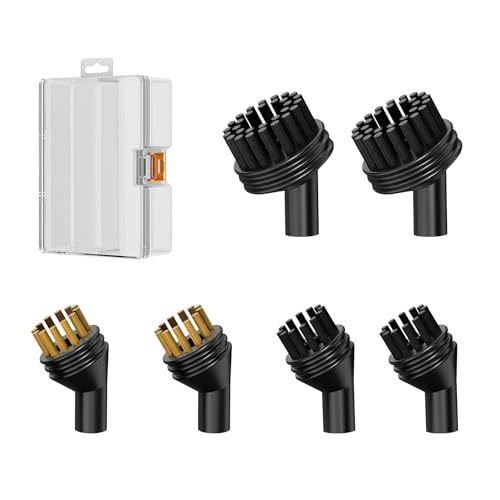
- Handheld steam cleaner cleaning brush attachment
- Replacement nozzle and gasket kit for handheld steam cleaner
- Soft cloths or microfiber towels
- Distilled water (for refilling during cleaning tests)


Before You Start
Before any disassembly, unplug the steam cleaner and allow it to cool completely. Empty the water tank and detach any attachments. Work in a well-ventilated area and avoid touching hot surfaces. Read the user manual for model-specific cautions, as some parts may be pressure-sensitive. Plan for a 30–60 minute maintenance session depending on model and condition.
Step-By-Step: How To Clean A Steam Cleaner
- Unplug and cool: Ensure the device is cool, then unplug from the outlet and remove the water tank.
- Empty and rinse: Pour out leftover water and rinse the tank with distilled water to remove corrosion or mineral remnants.
- Descale the system: Mix the descaler kit according to the product instructions. Run the cleaner briefly with the descaling solution to break mineral deposits inside the boiler and tubing.
- Rinse repeatedly: Flush the system with clean distilled water several times to remove descaler residue. This helps prevent white residues on surfaces during use.
- Clean the nozzle: Remove the nozzle and inspect for clogs. Use the replacement nozzle and gasket kit for handheld steam cleaner to replace worn parts if necessary, then reassemble.
- Brush attachments: Attach the handheld steam cleaner cleaning brush attachment and gently scrub ports, joints, and the sole plate to dislodge mineral films and scale.
- Check gaskets and seals: Inspect gaskets for wear or cracking. Replace with the replacement kit if you notice leaks or reduced steam pressure.
- Reassemble and test: Refill with distilled water, reattach accessories, and run a test cycle to confirm steady steam and proper pressure.
- Sanitize exterior surfaces: Wipe the exterior with a damp cloth. Avoid abrasive cleaners that could damage plastics.
- Dry storage: Empty the tank after testing and store in a dry area to prevent mold or mildew buildup inside the tank.
- Schedule regular checks: Plan periodic descaling every few uses in regions with hard water to maintain optimal performance.
Troubleshooting
| Symptom | Likely Cause | Fix | Prevention |
|---|---|---|---|
| Low or no steam | Mineral buildup or clogged nozzle | Descale, replace nozzle if needed | Use distilled water; clean after heavy use |
| Leaking from seals | Worn gasket or loose connections | Replace gasket; reseal connections | Handle components with care; store correctly |
| Sputtering steam | Partial clog or insufficient water flow | Clear ports with brush; refill to proper level | Regularly descale to prevent buildup |
| Burnt odor on heating | Old residue inside boiler | Perform full descaling cycle | Empty tank after use; avoid leaving water |
Common Mistakes
- Using tap water too often, which accelerates mineral buildup
- Skipping the descaling step after hard-water use
- Forgetting to replace worn nozzles or gaskets when leaks appear
- Rushing the rinse cycle, leaving descaler residues in the system
Regular maintenance reduces these issues and extends the device life.
Tips For Best Results
- Descale with the recommended kit at intervals that match water hardness in your area.
- Always finish with a thorough rinse using distilled water to prevent mineral residues on cleaned surfaces.
- Use attachment brushes to target stubborn buildups on grout, tiles, or fabric seams.
- Store the unit with the tank empty to minimize mildew and odor risk.
Call A Professional
Consult a technician if there is persistent leakage, inconsistent steam pressure after descaling, or if the unit fails to heat properly after multiple maintenance cycles. Do not attempt complex internal repairs beyond your stated warranty or manual guidance.
FAQ
How often should I descale a steam cleaner?
Frequency depends on water hardness and usage. In hard-water regions, descale every 1–2 months with regular use.
Can I use vinegar to descale?
Vinegar is not recommended for most steam cleaners; use the recommended descaler kit for safety and to protect gaskets and seals.
What should I do if the steam is weak after cleaning?
Check for clogs in the nozzle, ensure the water tank is filled correctly, and perform a fresh descaling cycle if mineral buildup remains.
Is it safe to replace parts myself?
Replacement parts like nozzles and gaskets are typically user-installable. Follow the manual and disconnect power before maintenance.
Can I store a steam cleaner with water in the tank?
No. Always drain the tank and dry the unit before storage to prevent mold and odors.
What’s the best way to dry-clean surfaces with a steam cleaner?
Use the appropriate attachment and test a small area before broad use to avoid damage to sensitive surfaces.
Buying Guide
When selecting a steam cleaner, consider factors that affect cleaning performance and convenience. Start with size and weight to match your typical projects, then assess noise level, energy efficiency, and control features. A compact handheld model with multiple attachments can tackle countertops, tiles, and fabrics, while a larger unit suits floors and stubborn grime. Look for an integrated descaling indicator or easy-access ports for cleaning cycles. Placement matters: store the device in a dry area, away from children, and near outlets for quick use. For accessories, a robust steam cleaner descaler kit and durable nozzle sets are worth the investment to maximize lifespan. Compare compatibility with replacement nozzle and gasket kit for handheld steam cleaner and brush attachments to ensure you can refresh parts as needed. Finally, read warranty terms to understand coverage for wear items like gaskets and seals, which are common purchase considerations for ongoing maintenance.
Leave a Reply