How to Get Rid of Water Spots on Car
Water spots can mar the shine of a vehicle’s paint, especially after a wash or exposure to mineral-rich water. This guide explains practical steps to restore clarity and protect the finish. The focus is on safe, car-friendly methods and common-sense maintenance that keep a showroom look longer.
Quick Answer
Remove water spots promptly with a dedicated water spot remover for cars spray detailing, then gently polish the area using microfiber cloths. For stubborn spots, a car detailing clay bar kit can lift residual mineral deposits, followed by a protective wax or sealant.
What You’ll Need
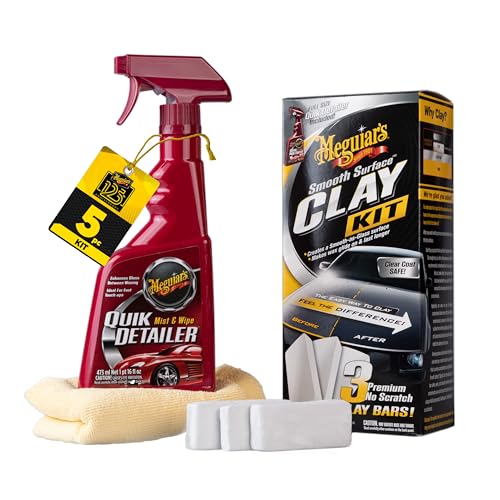
- Water spot remover for cars spray detailing
- Car detailing clay bar kit
- Microfiber polishing cloths for car detailing and water spots


Before You Start
Assess the paint finish and test any product in a small, inconspicuous area first. Wear protective gloves and work in a shaded area to prevent rapid evaporation. Time estimates range from 30 minutes for light spots to 2 hours for multiple panels. Note: avoid aggressive scrubbing, which can mar clear coats, and ensure the vehicle is cool to the touch before starting.
Step-By-Step: How To Remove Water Spots On Car
- Rinse the area with clean water to remove loose dirt and debris.
- Apply a water spot remover for cars spray detailing according to the product label, focusing on the spotted area.
- Gently buff with a microfiber polishing cloth in circular motions to lift mineral deposits.
- For stubborn spots, use a car detailing clay bar kit following the included instructions to knead and glide the clay over the surface.
- Wipe away residue with a fresh microfiber cloth and inspect the finish under good lighting.
- Apply a dedicated wax or paint sealant to protect the area and reduce future spotting.
- Buff the cured sealant with a clean microfiber cloth for a high-gloss finish.
- Repeat on other panels as needed, ensuring even coverage and consistent motion.
- If water spots return quickly, consider using a hydrophobic coating or a more durable sealant for long-term protection.
- Clean and store tools properly to prevent cross-contamination and maintain effectiveness for future detailing.
- Document results with photos to track improvement and guide future maintenance.
- Set a routine: wash, clay, and seal every 3–6 months depending on climate and water quality.
Troubleshooting
| Symptom | Likely Cause | Fix | Prevention |
|---|---|---|---|
| Streaks after polishing | Insufficiently removed residue | Re-wipe with a clean microfiber; use a slightly damp cloth | Work in shade, use high-quality cloths |
| Spot returns quickly | Mineral content in water; poor sealant | Reapply a stronger protective coating | Use purified water for washing; maintain sealant |
| Scratches when using clay | Clay not properly lubricated | Lubricate heavily, knead clay frequently | Follow kit instructions precisely |
| Paint dull after treatment | Over-aggressive buffing | Switch to lighter pressure, use finer cloth | Use proper tools and avoid pressure misalignment |
Common Mistakes
- Using household cleaners not designed for automotive finishes
- Over-wiping while spots are still wet, which can grind mineral deposits into paint
- Aggressive scrubbing or dry clay use on delicate clear coats
- Failing to re-seal the surface after spot removal, increasing vulnerability to new spots
Tips For Best Results
- Work in a shaded area and keep panels cool to avoid rapid evaporation and streaking.
- Test any product on a small area before full application to confirm compatibility with your paint finish.
- Choose a microfiber cloth with high GSM for better gentle abrasion and less lint.
- Maintain a regular detailing schedule to prevent mineral buildup from becoming permanent.
- Use distilled or deionized water for final rinse if local water is hard.
Call A Professional
Consider a professional detailer if water spots cover extensive areas, the paint shows deeper etched marks, or if you notice color fading after attempts. Stop and seek help if the surface feels rough, if there are visible scratches beyond clear coat, or if the spot removal process causes color changes. A pro can safely recondition clear coats and advise on durable protective coatings.
FAQ
What causes water spots on cars?
Mineral-rich water evaporates and leaves deposits on the paint that appear as spots, especially after sun exposure or improper drying.
Can I use household products to remove water spots?
Household cleaners may harm automotive finishes; use dedicated water spot removers and clay kits designed for cars.
How often should I seal my car after removing water spots?
Typically every 3–6 months, depending on climate and washing frequency.
Is clay bar treatment safe for all paint types?
Yes when used with proper lubrication and instructions; avoid dry usage or excessive pressure on soft paints.
Do water spots reappear after detailing?
They can if mineral content is high or if the paint lacks a protective sealant; reapply protective coatings and rinse with purified water when possible.
Buying Guide
Key Factors To Consider
- Size and coverage: Choose products that match the area you typically treat (single panel vs. whole car).
- Noise level in electric tools is generally not a concern for spot removal, but consider a non-noise option for quiet evenings.
- Energy efficiency is less relevant for manual processes; focus on product compatibility and durability.
- Controls for spray bottles and clay bars should be easy to use with clear instructions and lubricants included.
- Placement Store detailing products in a cool, dry place away from direct sunlight to preserve effectiveness.
When comparing products, look for clear manufacturer instructions, compatibility with your vehicle’s paint type, and the availability of protectants that extend the results. A combination set that includes a water spot remover, a clay bar kit, and microfiber cloths often provides the best value and results for most American cars.
Leave a Reply