How to Get Rid of Sex Smell in Car
Sex-related odors in a car can linger due to sweat, bodily fluids, or smoke residues that absorb into upholstery and vinyl. Effective odor removal combines cleaning, deodorizing, and air purification. This guide outlines practical steps using common automotive products to restore a fresh interior without costly professional services.
Understanding the sources of odor helps tailor the approach. Enzymatic cleaners break down organic residues, while ozone generators and air purifiers target residual molecules in the air and fabrics. The goal is to eliminate the source and neutralize particles, not just mask the smell.
Quick Answer
Start with a thorough interior cleaning, then use an enzymatic cleaner on affected fabrics. Follow with a 12V portable ozone generator to treat hard-to-reach spots, and finish with a car air purifier with HEPA and activated carbon filters to remove lingering particles and odors.
What You’ll Need
- 12V portable car ozone generator odor remover
- car odor eliminator enzyme cleaner spray 32 oz
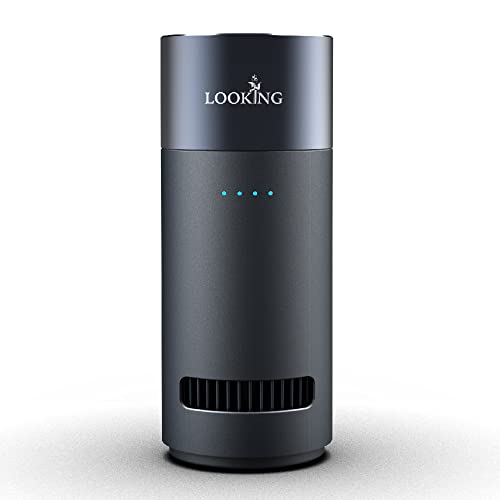
- car air purifier HEPA activated carbon filter odor removal


Before You Start
Safety is critical when using ozone. Operate the ozone generator in an unoccupied vehicle and ventilate the cabin thoroughly after use. Wear protective gloves and a mask if handling enzymatic cleaners to minimize skin and airway irritation. Estimate 1–3 hours for the complete process, plus drying time for fabrics.
Caution: Do not run ozone indoors or in enclosed spaces with people or pets present. Ozone can irritate lungs and mucous membranes. If odors persist after treatment, consult a professional to inspect for hidden sources such as mold or urine contamination.
Step-By-Step: How To Remove Odor From Car
- Initial cleaning: Vacuum seats, carpets, mats, and trunk thoroughly to remove loose debris that can harbor odors.
- Spot clean: Treat any visible stains with a stiff brush and a mild upholstery cleaner. Allow to dry completely before proceeding.
- Enzymatic treatment: Apply the car odor eliminator enzyme cleaner spray 32 oz to stained fabrics, cushions, and seat seams. Let it dwell for 10–15 minutes, then blot and rinse if directions require. Air-dry completely.
- Upholstery refresh: Lightly mist leather or vinyl surfaces with an appropriate cleaner; do not oversaturate. Wipe with a clean cloth and allow to dry.
- Ozone treatment: Place the 12V portable car ozone generator odor remover in a secure location, seal the vehicle, and run for 15–45 minutes depending on space. Ensure the cabin is unoccupied during treatment.
- Airing out: Open doors or windows after ozone treatment to vent any residual ozone. Let the interior air out for at least 15–30 minutes before re-entering.
- Air purification: Install the car air purifier HEPA activated carbon filter odor removal and run it on a recommended setting to continuously filter incoming air and trap odors.
- Final wipe-down: Wipe all high-contact surfaces (steering wheel, shift knob, door handles) with a mild cleaner to remove any residues and freshen the feel of the interior.
- Test and monitor: After cleaning, monitor for persistent odors over a few days. Repeat targeted cleaning or odor-control steps if necessary.
- Maintenance plan: Schedule periodic cleanings and keep interior dry to prevent odor regrowth.
Troubleshooting
| Symptom | Likely Cause | Fix | Prevention |
|---|---|---|---|
| Odor returns after cleaning | Remaining residues or moisture | Reapply enzymatic cleaner and re-run deodorizing steps; ensure complete drying | Address spills promptly; use moisture barriers on fabrics |
| Strong ozone smell lingering | Overuse or insufficient ventilation | Ventilate longer post-treatment; limit ozone duration next time | Follow device guidelines precisely |
| Fabrics feel damp after cleaning | Over-wetting during cleaning | Blot thoroughly; use fans or heat to dry | Avoid saturating fabrics in future |
| Filter odor removal not improving | Airflow blocked or filter saturated | Check filter placement; replace or clean filter as needed | Use high-quality activated carbon filters |
Common Mistakes
- Relying solely on sprays without addressing the source of the odor
- Using too much moisture on fabric during cleaning
- Running ozone devices in occupied vehicles or closed spaces
- Ignoring ventilation after treatments, allowing odor molecules to linger
Tips For Best Results
- Combine enzymatic cleaners with mechanical removal (vacuuming) for best outcomes
- Use a high-efficiency car air purifier with both HEPA filtration and activated carbon to capture particles and gases
- Target common odor reservoirs: seats, carpets, floor mats, and trunk lining
- Keep the interior dry; moisture promotes microbial growth that reinforces odors
- Schedule periodic odor control as part of routine car maintenance
Call A Professional
Seek professional service if odors persist after repeated cleaning, if there is suspected mold growth, or if the odor source involves urine contamination or structural issues. Stop using household cleaning methods that may chemically react with upholstery; professionals can perform advanced fogging or decontamination safely.
FAQ
Can ozone treatment damage car interiors?
When used as directed, ozone treatments are safe, but excessive exposure can degrade certain materials and create safety risks. Always operate in an unoccupied vehicle and ventilate afterward.
Are enzymatic cleaners safe on all fabrics?
Most enzymatic cleaners are designed for automotive fabrics, but test in an inconspicuous area first to ensure no discoloration or residue.
How long does odor removal typically take?
Most cases can be improved within a few hours, but severe or hidden contamination may take longer or require multiple sessions.
Will a car air purifier completely remove odors?
An air purifier helps remove airborne particles and odors, but addressing the source with cleaning and deodorizing steps is essential for long-term results.
Should I replace carpets or upholstery to remove odors?
In cases of deep set odors or persistent stains, replacement or professional remediation for fabrics may be necessary.
Is it safe to use ozone inside a car with leather seats?
Ozone can affect some leather finishes; follow manufacturer guidance and test in a small area first.
Buying Guide
When choosing odor-control tools for a car, consider size, noise level, energy efficiency, controls, and placement. A compact 12V ozone generator is convenient for quick treatments, but ensure it fits your vehicle and has safety shutoffs. Pair a robust car odor eliminator enzyme cleaner with a fragrance-free formula to avoid masking odors. A car air purifier with HEPA and activated carbon efficiently handles ongoing filtration, especially in enclosed spaces. For best results, select tools that are easy to store in the vehicle and come with clear usage instructions. Always prioritize safety and follow all device guidelines to protect occupants while maintaining a fresh cabin environment.
Leave a Reply