How to Get Rid of Slime in Toilet Tank
Slime buildup in a toilet tank can cause slow flushing, phantom flushes, and wasted water. This guide walks American readers through safe, practical steps to remove slime, restore proper operation, and keep the tank cleaner longer. The approach emphasizes non-corrosive cleaners and standard tools that homeowners can use without specialized equipment.
Quick Answer
To remove slime, drain the tank, scrub the tank interior, replace or clean the flapper, and use a chlorine-free cleaning tablet designed for toilet tanks. Regular brushing with a long-reach brush and periodic cleaning with a tank-safe cleaner helps prevent recurrence.
What You’ll Need
- Toilet tank cleaner tablets chlorine free 12 pack
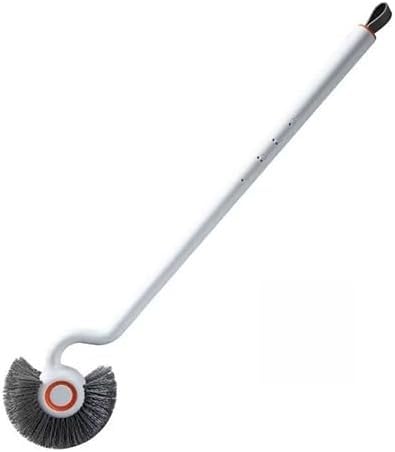
- Long reach toilet tank cleaning brush nylon bristles
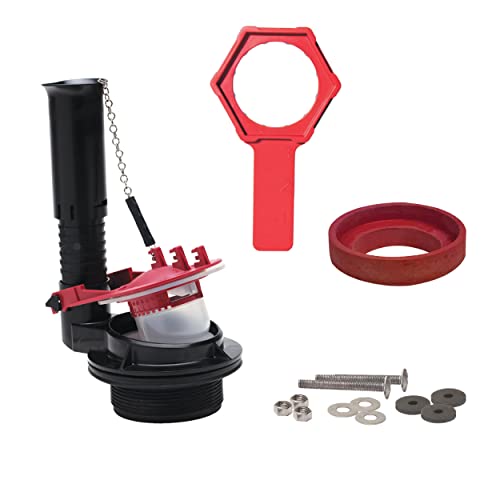
- Toilet tank flapper valve cleaning tool kit

Before You Start
Before beginning, turn off the water supply and flush the toilet to empty the tank. Disconnect the fill valve hose if needed. Have towels handy to catch any residual water. Proceed with caution around metal components to avoid corrosion. The process can take 30–60 minutes depending on tank size and slime severity.
Step-By-Step: How To Get Rid Of Slime In Toilet Tank
- Turn off the water supply at the shutoff valve and flush the toilet to drain the tank completely.
- Remove the canister or any decorative parts that cover the tank interior, exposing the surface to clean.
- Use the long reach toilet tank cleaning brush to scrub the interior walls, focusing on corners where slime accumulates.
- Drop in a chlorine-free toilet tank cleaner tablet following the product instructions; these tablets help dissolve slime without harsh chlorine exposure.
- Gently scrub the flapper area and seat with the brush or a dedicated flapper valve cleaning tool kit to remove biofilm that can cause leaks or poor seals.
- Inspect the flapper for wear or warping. If cleaning reveals cracks or stiff movement, replace the flapper with a compatible model.
- Rinse the tank by turning the water supply back on and letting the tank refill. Flush a couple of times to distribute cleaner and confirm removal of slime.
- Refit any removed parts, ensure the fill valve and supply line are snug, and check that the flush operates smoothly.
- Document the routine: set a reminder to perform a brief monthly brush and tablet treatment to prevent slime buildup.
Troubleshooting
| Symptom | Likely Cause | Fix | Prevention |
|---|---|---|---|
| Slow or partial flush | Slime buildup around the flapper or apex of the tank | Clean flapper area; replace worn flapper if necessary | Regular brush and cleaner tablet cycles |
| Phantom flushes | Biofilm near valve seals indicating a flawed seal | Inspect and replace flapper; ensure proper seal | Keep tank cleaner and dry around seals during maintenance |
| Persistent slime after cleaning | Hard-to-reach deposits or mineral film | Rinse thoroughly, use longer cleaning sessions, consider an additional tablet | Set up routine monthly cleanings |
| Discolored water or odor | Organic matter buildup | Replace cleaning tablets with fresh batches and scrub interior | Ventilate bathroom during cleaning; keep area dry afterward |
Common Mistakes
- Using chlorine-based cleaners despite chlorine-free tablets being recommended for tank warranties
- Forcing the flapper or valve; aggressive handling can cause leaks
- Skipping the tank drain step, which leaves slime in place
- Neglecting routine maintenance after the initial cleaning
Tips For Best Results
- Schedule a quick monthly check of the tank to catch slime early.
- Pair a long reach brush with a non-abrasive cleaner to avoid scratching plastics.
- Store replacement parts and cleaning tablets in a small kit for easy future maintenance.
- Choose non-chlorine cleaners to extend the life of rubber seals and gaskets.
- Keep a spare flapper valve on hand in case wear becomes visible during cleaning.
Call A Professional
Seek professional help if there are persistent leaks, cracks in the tank, or if the flapper cannot seal properly after cleaning. Also contact a pro if tank hardware was damaged during attempts to scrub away slime, or if the toilet continues to run after replacing parts.
FAQ
What causes slime in a toilet tank?
Slime is typically formed by algae or bacteria proliferating in the moist, warm environment of the tank, often aided by mineral deposits and biofilm on surfaces.
Are toilet tank cleaner tablets safe for my toilet?
Yes, when you choose chlorine-free tablets and follow the product instructions, they are designed to clean without harming seals or components.
Can I use bleach in the toilet tank?
Bleach can damage rubber seals and gaskets; it is generally discouraged inside the tank. Use approved chlorine-free tablets instead.
How often should I clean the tank?
A quick monthly check with a brushing session and a tablet treatment is usually sufficient for most homes.
What tools help the most for tank cleaning?
A long-reach toilet tank cleaning brush and a dedicated flapper valve cleaning tool kit are particularly effective for slimy, hard-to-reach areas.
Buying Guide
When selecting products to prevent or treat slime in the toilet tank, consider size, compatibility, and the type of cleaning agents. Look for chlorine-free formulations to protect rubber seals and extend the life of components. Pay attention to the length of the bristles on the cleaning brush; nylon bristles are typically durable and safe for plastic tanks. A flapper valve cleaning tool kit should include multiple tips and adjustable handle lengths to reach difficult corners. Assess noise level and water efficiency goals if you plan to adjust flushing components. For placement, keep tools within easy reach where you perform maintenance, such as under the bathroom sink or in a cleaning caddy. Finally, review warranty coverage on tank components like the flapper and fill valve, and choose products that fit your toilet model’s design. Are you replacing parts or just maintaining? Clarifying this helps you pick compatible items and avoid overbuying.
Leave a Reply