How to Clean a Rain Barrel
Rain barrels are a practical way to store rainwater for garden use, but they require periodic cleaning to prevent sediment buildup and algae. This guide provides a clear, step-by-step approach to cleaning a rain barrel safely and effectively, using common tools and the provided accessories.
Quick Answer
Disconnect the barrel from hoses and outlets, drain the remaining water, scrub the interior with a long-handled brush, rinse thoroughly, and reinstall with fresh screens. For stubborn buildup, use a siphon or wand attachment to rinse hard-to-reach areas, and clean the overflow and lid to prevent recontamination.
What You’ll Need
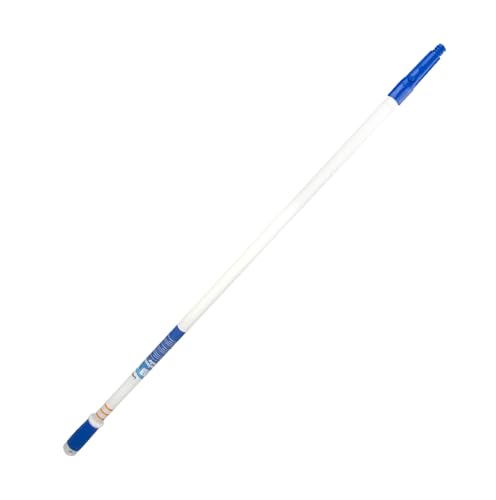
- Rain barrel cleaning brush extendable pole
- Rain barrel interior cleaning siphon hose kit
- 55-gallon rain barrel cleaning wand with nozzle
- Protective gloves and eye protection
- Garden hose and bucket
- Mild soap or vinegar (optional)
- Scrubbing brushes or spare rags


Before You Start
Prepare the area around the rain barrel to prevent slips, and place a bucket or tub to catch dirty water. Disconnect all hoses and shut off any inlet or overflow valves before cleaning. Check the barrel for cracks or leaks and address them before proceeding. Time estimate: about 45–90 minutes depending on buildup.
Step-By-Step: How To Clean A Rain Barrel
- Place a ladder or stable platform if needed and wear gloves and eye protection.
- Disconnect hoses from the outlet and remove any screens or lids to access the interior.
- Drain the remaining water from the barrel into a container or garden area away from any wildlife.
- Use the rain barrel cleaning brush extendable pole to scrub the interior walls, focusing on sediment at the bottom.
- For hard-to-reach spots, attach the 55-gallon rain barrel cleaning wand with nozzle and spray upward and downward to loosen buildup.
- If using the siphon hose kit, insert the hose a few inches below the surface and siphon out remaining debris while rinsing with clean water.
- Rinse the interior thoroughly with a garden hose, ensuring all soap or vinegar residues are flushed away.
- Clean the lid, rim, and overflow outlet to prevent recontamination during rainfall.
- Reinstall screens and any inlet adapters, then refill with clean water or resume use after ensuring all components are dry.
- Inspect overflow and hoses for clogs and clear them as needed before reconnecting to the rain capture system.
- Optionally, sanitize with a diluted vinegar solution (1:9 vinegar to water) and rinse well, especially if water will be used for drinking crops.
Troubleshooting
| Symptom | Likely Cause | Fix | Prevention |
|---|---|---|---|
| Persistent odor | Stagnant water or biofilm | Thorough scrub and rake out sediment; rinse with vinegar solution | Clean barrel annually |
| Clogs at outlet | Debris buildup | Remove screens and flush with wand; prune leaves nearby | Install protective screens |
| Mold growth on interior walls | Moisture pockets | Scrub with soap, rinse, and ensure complete drying | Keep lid closed between rains |
| Leaking around seams | Cracks or loose fittings | Seal or replace damaged parts | Inspect monthly during cleaning |
Common Mistakes
- Using harsh chemicals that leave residues in stored water
- Neglecting to clean the overflow and screen areas
- Rushing the rinse process, leaving soap behind
- Ignoring safety: working on a ladder without stability
Tips For Best Results
- Schedule cleaning at the start of the dry season to minimize runoff contamination
- Use the extendable brush and wand to reduce bending and reach hard-to-clean spots
- Pair the siphon hose kit with the wand for a thorough interior rinse
- Keep a small protective mat under the barrel to catch drips during cleaning
- Regularly inspect screens and seals to maintain water quality
Call A Professional
Call a professional if you notice cracks that compromise the structure, persistent leaks after resealing, or signs of persistent contamination that won’t respond to cleaning. Seek expert help for large-volume installations or custom filtration additions.
FAQ
How often should a rain barrel be cleaned?
Most households benefit from a thorough cleaning every 6–12 months, with more frequent cleaning in dusty or tree-heavy areas.
Can I use soap to clean my rain barrel?
Yes, use a mild soap and rinse thoroughly; avoid harsh chemicals that may linger in stored water.
What is the best way to remove sediment?
Use an extendable brush to scrub the bottom and a siphon hose to flush loose sediment out.
Is it safe to drink water from a rain barrel after cleaning?
Water used for drinking should be treated or used for non-potable purposes unless you have a certified filtration system.
Buying Guide
When choosing accessories for rain barrel cleaning, consider compatibility, reach, and ease of use. A kit that includes an extendable cleaning brush, a siphon hose, and a nozzle wand offers flexibility for different barrel sizes and layouts. Look for durable materials, such as stainless steel or high-grade plastic, and ensure the tools are designed to reach the interior without removing the barrel completely. Consider whether you want modular components for future upgrades and how easily the tools store in a typical shed or garage.
Final Thoughts
Cleaning a rain barrel is a straightforward maintenance task that helps extend the life of the storage unit and ensure clean water for garden use. With the right tools—such as the rain barrel cleaning brush extendable pole, rain barrel interior cleaning siphon hose kit, and the 55-gallon rain barrel cleaning wand with nozzle—homeowners can efficiently remove sediment, prevent algae growth, and maintain water quality for irrigation.
Leave a Reply