How to Get Rid of Blackheads Permanently: Practical Steps and Tools
Blackheads are a common skin concern that many Americans want to manage effectively. While there is no magical one-time fix for permanent removal, a consistent skincare routine combined with the right tools can significantly reduce their appearance and prevent new ones from forming. This guide outlines realistic methods, safety tips, and how to choose reliable devices and tools for home use.
Quick Answer
To reduce blackheads permanently, commit to a daily cleansing routine, weekly exfoliation, targeted extraction with care, and occasional professional treatments. Use a pore vacuum blackhead remover device with adjustable suction for home use for gentle cleaning, a stainless steel comedone extractor tool 3-piece set blackhead remover for controlled extractions, and an ultrasonic skin scrubber facial spatula for blackhead removal to aid product penetration and skin texture. Always follow safety guidelines to protect your skin.
What You’ll Need
The following tools and products support a comprehensive blackhead management routine. The list prioritizes items that address pore cleansing, extraction safety, and exfoliation.
- Pore vacuum blackhead remover device with adjustable suction for home use
- Stainless steel comedone extractor tool 3-piece set blackhead remover
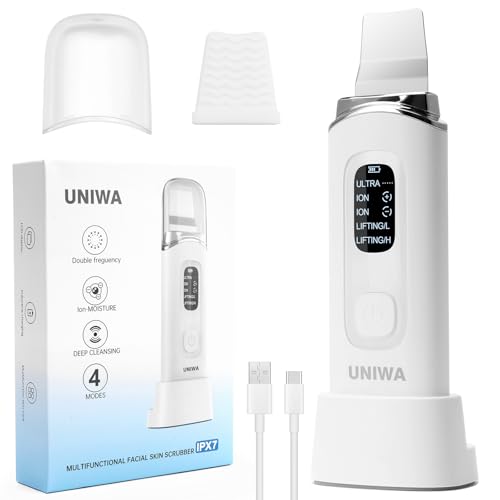
- Ultrasonic skin scrubber facial spatula for blackhead removal


Before You Start
Before tackling blackheads at home, prepare a clean, well-lit workspace and a calm routine. Facials and extractions are best done after a warm shower or steam, which opens pores. Do not force extractions aggressively, as this can cause scarring or infections. If you have active acne, eczema, or rosacea, consult a dermatologist first. Plan for overall routine consistency rather than quick fixes; results typically appear with sustained care over weeks.
Estimated time: 30–60 minutes for a full at-home session, plus 10–20 minutes for follow-up care. Patch tests on new products are advised to prevent irritation. Use sunscreen daily, especially if you exfoliate regularly, to protect newly exposed skin.
Step-By-Step: How To Get Rid Of Blackheads Permanently
- Wash and prep: Use a gentle cleanser to remove surface oils. If you’re using a warm towel or steam, do so for 3–5 minutes to soften pores.
- Apply a soothing toner: A non-alcoholic toner helps balance skin and reduces irritation during subsequent steps.
- Use a pore vacuum with adjustable suction: Start on the lowest setting, glide slowly across the nose and T-zone, and pause if you feel discomfort. Do not linger on one spot too long.
- Proceed with the ultrasonic skin scrubber: Move the spatula in circular motions to aid product penetration and remove dead skin cells; avoid excessive pressure on sensitive areas.
- Selective extraction (with tools): For stubborn blackheads, use the stainless steel comedone extractor tool 3-piece set with proper angle and light pressure. Do not over-tighten or twist; if resistance is high, stop and retry later.
- Post-extraction care: Apply a soothing, non-comedogenic moisturizer and a mild hydrating serum. Consider a clay mask 1–2 times a week to absorb excess oil and refine pores.
- Sun protection: Daily broad-spectrum sunscreen helps protect freshly exposed skin after exfoliation and extractions.
- Frequency plan: Limit extractions to 1–2 sessions per week and adjust suction or tool use based on skin response to avoid irritation.
- Ongoing routine: Maintain a consistent skincare routine with cleansing, gentle exfoliation, hydration, and sun protection to prevent new blackheads.
- Professional check-ins: If blackheads persist or worsen, seek a dermatologist or licensed esthetician for advanced extraction or treatments.
- Lifestyle alignment: Hydration, balanced diet, and avoiding heavy, comedogenic makeup can support clearer pores over time.
Troubleshooting
| Symptom | Likely Cause | Fix | Prevention |
|---|---|---|---|
| Redness and persistent irritation after use | Overuse or aggressive pressure | Pause use, reduce suction, and limit sessions | Follow device guidelines; patch-test new products |
| Blackheads return quickly after treatment | Inadequate daily cleansing or exfoliation | Enhance routine with gentle cleansers and regular exfoliation | Consistent regimen and non-comedogenic products |
| Transient sensitivity after extraction | Open pores and skin inflammation | Use calming serums and avoid irritants | Moisturize well and avoid harsh actives briefly |
| Device suction feels weak | Clogged nozzle or low battery | Clean nozzle and recharge | Regular maintenance as per manual |
Common Mistakes
- Using tools on inflamed or broken skin
- Applying heavy pressure during extraction
- Over-exfoliating or using incompatible actives at the same time
- Ignoring sun protection after exfoliation
Awareness of these pitfalls helps maintain skin integrity while pursuing clearer pores.
Tips For Best Results
- Start with a clean canvas: Cleanse thoroughly and steam to soften pores.
- Targeted approach: Use each tool for its intended purpose and in recommended sequences.
- Consistency beats intensity: Regular maintenance yields better long-term results than sporadic efforts.
- Choose non-irritating products: Look for fragrance-free and non-comedogenic labels if you have sensitive skin.
- Balance is key: Pair pore-clearing steps with hydration to prevent over-drying the skin.
Call A Professional
Consider professional help if you notice:
- Excessive skin thinning or deep, persistent comedones that do not respond to home care
- Severe acne, cysts, or signs of infection
- Repeated adverse reactions to at-home tools
In these cases, a licensed dermatologist or esthetician can offer safer extractions, medical-grade peels, or laser therapies that provide deeper results with proper supervision.
FAQ
Can blackheads be permanently removed with home devices?
Home devices can significantly reduce and prevent blackheads when used consistently as part of a broader skincare routine, but long-term permanence depends on ongoing care and lifestyle factors.
How often should I use a pore vacuum and extractor tools?
Use the pore vacuum up to 1–2 times per week on low to moderate suction and perform extractions only when a clearly visible blackhead is present. Avoid daily use to prevent irritation.
Are ultrasonic scrubbers safe for all skin types?
Ultrasonic scrubbers are generally safe for many skin types when used gently. Sensitive or reactive skin should start with lower intensity and shorter sessions, and avoid usage on broken skin.
What products should I pair with these tools?
Pair with a gentle cleanser, alcohol-free toner, a non-comedogenic moisturizer, and a light non-irritating serum. Consider a clay mask weekly for oil control.
When should I see a dermatologist?
If blackheads persist despite consistent home care, or if you experience severe or painful acne, scarring, or signs of infection, seek medical advice promptly.
Buying Guide
Choosing the right tools for blackhead management depends on several factors. Consider the following to tailor a setup that fits daily life and skin needs.
- Size and ease of use: User-friendly devices with adjustable settings work well for beginners and experienced users alike.
- Noise level: Quiet devices improve comfort during at-home sessions, especially in shared living spaces.
- Energy efficiency and battery life: Rechargeable devices reduce ongoing costs and waste; check run-time per charge.
- Controls and safety features: Look for adjustable suction on pore vacuums and clean, rust-resistant materials for extractors.
- Placement and storage: Compact designs that fit existing vanity spaces simplify regular use.
- Maintenance: Ease of cleaning and sterilization is crucial for hygiene with extractors and sponges.
- Compatibility with skin type: Some tools pair better with oily skin, while others suit dry or sensitive skin—read product notes carefully.
For many American users, a combination of a pore vacuum device, a stainless steel comedone extractor set, and an ultrasonic scrubber offers a balanced approach: effective cleansing, safe extraction, and improved product absorption. If one product feels outdated for your routine, you can mix and match with trusted alternatives while staying within a safe, hygienic practice framework. Ready to build a routine that supports clearer pores and healthier-looking skin?
Leave a Reply