How to Clean Wood Cabinets With Murphy’s Oil Soap
Wood kitchen cabinets add warmth and beauty to a home, but they require regular cleaning to maintain their finish. Murphy’s Oil Soap is a classic option known for its mild formula and pleasant scent. This guide walks through a safe, effective method to clean wood cabinets without leaving residue or dulling the surface.
By following a gentle cleaning routine and using the right tools, homeowners can refresh stained, sealed, or painted wood cabinets while protecting the wood grain and finish for years to come.
Quick Answer
Best practice: Mix Murphy’s Oil Soap with water in a spray bottle, wipe with soft microfiber cloths, and dry with a separate clean cloth. For stubborn spots, spot-dampen with a cleaner that matches the dilution ratio, then rinse with a dry microfiber to prevent streaks.
What You’ll Need
- Murphy’s Oil Soap wood cabinet cleaner microfiber cloth set
- Soft microfiber cloths for cleaning wood cabinets
- Spray bottle for Murphy’s Oil Soap dilution wood furniture cleaner
- Water in a clean bowl or container
- Optional: a second dry microfiber cloth for drying
 |
Murphy Oil Soap Wood Cleaner, 32 Fluid ounce (Pack of 3) | |
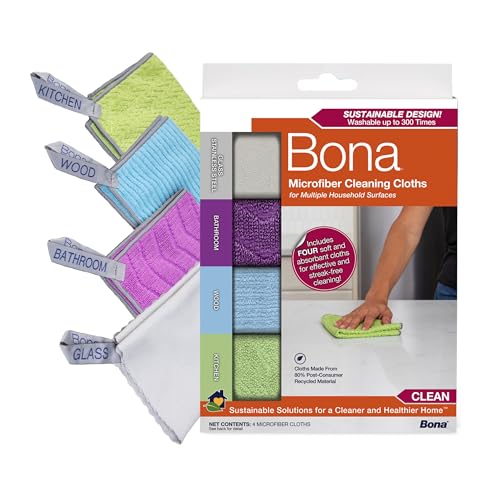 |
Bona® Microfiber Cleaning Cloths Multipack | |
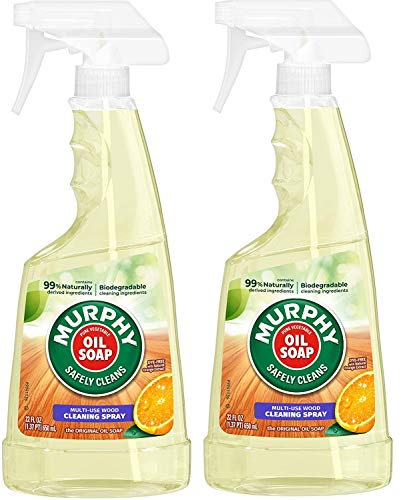 |
Murphy Oil Multi-Use Wood Cleaner Spray with Orange Oil, 22 Fl Oz (Pack of 2) |
Before You Start
Before beginning, remove items from cabinet doors and shelves to avoid accidental splashes. Test the cleaner on a small, inconspicuous area to confirm it does not affect the finish. Work in a well-ventilated area and use soft, lint-free microfiber cloths to avoid scratching. Expect the process to take 20–40 minutes, depending on cabinet size and condition.
Safety note: Murphy’s Oil Soap is generally safe for finished wood, but avoid using it on unfinished wood or surfaces with damaged coatings. Never saturate wood; use a damp, not soaked, cloth to prevent water damage.
Step-By-Step: How To Clean Wood Cabinets With Murphy’s Oil Soap
- Remove all items and wipe surfaces with a dry microfiber cloth to remove loose dust.
- Prepare a 1:1 or manufacturer-recommended dilution of Murphy’s Oil Soap with warm water in a spray bottle.
- Lightly spray a small section of a cabinet door or panel—do not soak the wood.
- Wipe the area with a soft microfiber cloth, following the grain of the wood for even cleaning.
- For stubborn grime, re-wet the area lightly and scrub with a fresh microfiber cloth using gentle pressure.
- Rinse by wiping with a clean cloth dampened with plain water to remove soap residue.
- Dry immediately with a separate dry microfiber cloth to prevent moisture from penetrating seams.
- Wipe handles, knobs, and trim with the same method or a separate damp cloth if needed.
- Inspect for streaks; if any remain, buff with a dry cloth until the surface shines evenly.
- Return items to cabinets only after all surfaces are fully dry.
- Repeat the process as part of a regular cleaning schedule, increasing frequency for high-traffic kitchens.
- After cleaning, consider applying a fresh finish or furniture polish compatible with your cabinet type if desired.
Troubleshooting
| Symptom | Likely Cause | Fix | Prevention |
|---|---|---|---|
| Streaks after cleaning | Soap residue or improper drying | Wipe with a clean damp cloth, then dry thoroughly | Use minimal dilution and work in small sections |
| Scratches or dull finish | Harsh cloths or over-wetting | Switch to ultra-soft microfiber and avoid soaking | Test on hidden area first; use gentle strokes |
| Water rings on surface | Moisture contact before drying | Dry immediately after cleaning | Wipe in the grain and dry with a separate cloth |
| Soap odors linger | Over-wetting; insufficient rinsing | Rinse area with clean water and dry well | Limit spray amount and increase air circulation |
Common Mistakes
- Using too much soap or letting water pool on surfaces
- Cleaning with rough or dirty cloths that scratch wood
- Not drying surfaces after cleaning, leading to moisture damage
- Using cleaners not compatible with your cabinet finish
Choosing the right cloths and maintaining a steady, gentle touch helps preserve the finish and keep cabinets looking bright.
Tips For Best Results
- Always work in the direction of the grain for uniform cleaning
- Use separate cloths for washing and drying to prevent residue transfers
- Warm water aids soap lifting, but avoid hot temperatures that could warp wood
- Test any cleaner on a hidden area before full application
- Schedule periodic deeper cleanings to remove built-up oils and fingerprints
Call A Professional
Consider contacting a professional if cabinet surfaces show bubbling finishes, severe water damage, or if refinishing is needed. Stop signs include peeling coatings, significant discoloration, or persistent staining that does not respond to cleaning. A pro can assess finish compatibility and perform restoration without risking further damage.
FAQ
Is Murphy’s Oil Soap safe for all wood cabinets?
It is generally safe for finished wood cabinets, but test first on an inconspicuous area to confirm compatibility with the specific finish.
Can I use Murphy’s Oil Soap on painted cabinets?
Yes, but test on a small area to ensure it does not affect paint or sheen. Use a light mist and microfiber cloth to avoid lifting paint.
How often should I clean cabinets with Murphy’s Soap?
Light cleaning every 1–2 weeks and deeper cleanings monthly or as needed based on traffic and fingerprints.
Do I need to rinse after using Murphy’s Oil Soap?
Yes, rinse with a clean damp cloth and dry to remove any soap residue that could attract dust or cause streaks.
Buying Guide
When selecting products to clean wood cabinets, consider size, effectiveness, and finish compatibility. Below are key buying factors to guide the decision.
- <bSize and packaging: Choose a bottle size that fits your cleaning routine and storage space. A spray bottle with a fine mist helps control application.
- <bNoise level: Not applicable to cleaning solutions, but consider a quiet routine if you use a spray bottle near living spaces.
- <bEnergy efficiency: Not applicable to cleaning supplies directly; focus on concentrated formulas to minimize waste.
- <bControls: User-friendly spray bottles with adjustable nozzles and clearly labeled directions help prevent over-application.
- <bMaterial compatibility: Verify that the cleaner is safe for the cabinet finish (stain, varnish, lacquer, or paint).
- <bSurface suitability: Look for products recommended for wood furniture and cabinets, including w/ Murphy’s Oil Soap when appropriate.
- <bApplication method: Prefers microfiber cloths and damp-wipe methods over soaking for better finish protection.
- <bPlacement and storage: Store cleaning supplies out of reach from children and pets; keep in a cool, dry area away from direct sunlight to preserve efficacy.
For a balanced approach, pair a mild cleaner like Murphy’s Oil Soap with microfiber cloths designed for wood care. If the cabinet material requires special treatment, consult the manufacturer’s cleaning guidelines or a professional before proceeding.
Leave a Reply