How to Clean a Mattress Stain From Urine
Urine stains on a mattress can be stubborn, leaving odors and lingering moisture if not treated properly. This guide provides practical steps using common cleaners and tools to restore a bed’s freshness. Readers will learn safe prep, effective stain removal, odor control, and when to seek professional help.
Quick Answer
Act quickly: blot to remove excess moisture, apply an enzyme cleaner designed for urine, let it sit to break down stains and odors, then rinse and dry thoroughly. For tough spots, repeat with a handheld steam cleaner for disinfection, followed by a portable carpet and upholstery cleaner to extract remaining moisture. Ensure the mattress is completely dry before use.
What You’ll Need
- Enzyme cleaner urine mattress stain remover 32 oz
- Handheld upholstery steam cleaner mattress stain remover
- Carpet and upholstery cleaner machine urine removal portable
- Clean towels or paper towels
- White vinegar (optional, for odor neutralizing)
- Baking soda (optional, for odor absorption)


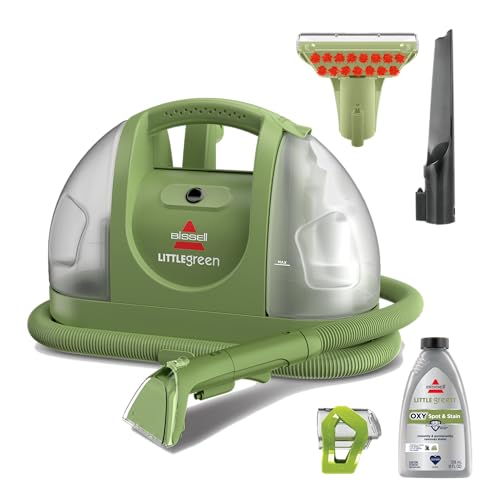
Before You Start
Prepare a dry, ventilated area and remove all bedding. Use protective gloves if handling strong cleaners. Test cleaners on a small, hidden area of the mattress to verify colorfastness. Work from the outer edge of the stain toward the center to avoid spreading.
Time estimates: initial blotting takes 5–10 minutes; chemical dwell time typically 5–15 minutes; drying can take several hours depending on ventilation and mattress thickness. Do not expose the mattress to direct sunlight for extended periods, which can degrade materials.
Step-By-Step: How To Clean a Mattress Stain From Urine
- Blot the area with a clean towel to remove as much liquid as possible without rubbing, which can push the stain deeper.
- Apply enzyme cleaner designed for urine, following product directions. This enzymatic action breaks down proteins in urine and reduces odor.
- Allow dwell time for the cleaner to work. Most products require 5–15 minutes; avoid letting the solution dry on the surface.
- Gently blot again with a clean cloth to lift loosened residue, then rinse lightly if the product suggests it.
- Use a handheld steam cleaner to help disinfect and lift remaining moisture. Pass the nozzle slowly over the area, keeping the steam at a safe distance to avoid over-wetting.
- Extract with a carpet and upholstery cleaner to remove moisture and residues from the mattress surface. Work in small sections, applying suction to pull out liquids.
- Neutralize odors after extraction by sprinkling baking soda over the damp area and letting it sit for several hours before vacuuming.
- Dry completely with fans or a dehumidifier, and ensure the mattress is fully dry before replacing bedding. Drying can take up to 24 hours depending on airflow.
- Inspect for residue once dry. If a faint stain or odor remains, repeat the enzyme cleaning step for best results.
- Prevent future incidents use a waterproof mattress protector to simplify cleanup and protect the mattress going forward.
Troubleshooting
| Symptom | Likely Cause | Fix | Prevention |
|---|---|---|---|
| Persistent odor after cleaning | Incomplete enzyme action or moisture retention | Repeat enzyme treatment and extend drying time | Use a mattress protector; ensure ventilation during drying |
| Stain reappears after drying | Deep-set stain or colorfast issue | Treat with enzyme cleaner again and apply more drying time | Address promptly next time; blot thoroughly |
| Rings around the stain | Over-wetting and spread of moisture | Carefully blot and use controlled extraction methods | Apply cleaners in thin layers and avoid pooling |
| Color fade near stain | Cleaner or moisture exposure | Test a hidden area before applying any product | Spot-test cleaners first; follow label instructions |
Common Mistakes
- Using only water to rinse, which leaves odor-causing residues
- Over-wetting the mattress, leading to mold or mildew
- Skipping a drying plan and relying on exposure to air
- Not testing cleaners on an inconspicuous area first
Tips For Best Results
- Act quickly to limit stain setting and odor development
- Choose an enzyme cleaner specifically labeled for urine and mattresses
- Ventilate the room well during and after cleaning to speed drying
- Combine containment tools: enzyme cleaner, steam disinfection, and extractor
- Use a protective mattress cover after cleaning to simplify future maintenance
Call A Professional
If the stain is extensive, the mattress is old, or signs of mold appear (a musty odor, visible growth, or moisture smell), seek professional cleaning services. Stop cleaning if you notice persistent moisture that cannot be dried in a reasonable time, or if you suspect urine seepage beyond the mattress cover. A professional can assess the integrity of the materials and provide remediation strategies.
FAQ
Can I use regular laundry detergent on a mattress?
Regular detergents may leave residues that attract more dirt; use a product designed for upholstery and mattress cleaning, such as an enzyme-based urine cleaner.
How long should the mattress dry after cleaning?
Drying time varies; plan for several hours to a full day with good airflow and a dehumidifier.
Is vinegar safe for mattress cleaning?
White vinegar can help neutralize odors but should be used sparingly and always diluted; test first on a hidden area.
Should I remove the padding or topper during cleaning?
Yes, remove any toppers or sheets to access the surface properly and prevent moisture entrapment.
What if the odor returns after a few days?
Reapply enzyme cleaner and consider replacing worn moisture barriers; persistent odors may indicate deeper contaminants.
Buying Guide
When choosing products for mattress urine cleaning, consider size, effectiveness, and ease of use. Look for enzyme-based urine cleaners that are specifically labeled for mattresses, and verify that they are safe for fabric and upholstery. Portability matters for steam cleaners and extractors, especially if cleaning a larger mattress or multiple beds.
Buying Guide: Key Factors to Consider
- Size and capacity: Choose a 32 oz or larger enzyme cleaner for full coverage; bigger reservoirs on steam cleaners reduce refills.
- Effectiveness: Prioritize products designed for urine stains with proven enzymatic action to break down proteins that cause odor.
- Noise level: For shared spaces, a quieter handheld steam cleaner is preferable.
- Energy efficiency: When using a steam cleaner or extractor, look for energy-efficient models with sufficient suction and heat control.
- Controls and ease of use: Simple spray, dwell, and extraction controls reduce accidental over-wetting and user error.
- Placement: Plan a drying-friendly area with airflow; avoid heat sources that can warp the mattress.
With the right products and a careful process, most urine stains and odors can be effectively removed, restoring comfort and hygiene to a trusted sleeping surface.
Leave a Reply