How to Clean Pine Tar Off a Baseball Bat
Pine tar on a baseball bat is common after long practice sessions or batting cages. Proper cleaning helps maintain grip and finish while extending the bat’s life. This guide provides practical steps using common cleaning tools and safe methods that work on most wood and composite bats used in American leagues and leagues across the United States.
Quick Answer
What to do in a pinch: wipe off excess tar with a dry cloth, apply a pine tar remover solution, scrub gently with a pine tar brush, rinse with a mild cleaner, and dry thoroughly. For stubborn tar, a cloth dampened with isopropyl alcohol can help, but avoid soaking the wood.
What You’ll Need
Collect these items before you start. They are designed to remove pine tar effectively without damaging the bat’s finish.
- baseball bat pine tar remover solution
- baseball bat cleaning kit pine tar brush
- isopropyl alcohol pine tar remover cloth for bat
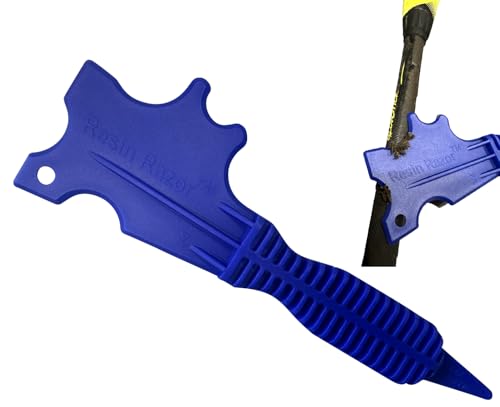 |
Resin Razor Baseball Bat Pine Tar Remover and Cleat Spike Cleaner Scraper Multitool (1) | |
 |
Rawlings | Pro Pine Tar Applicator | Baseball/Softball |
Before You Start
Prep the area to avoid residue on floors or grass. Test any cleaner on a small, inconspicuous area of the bat to ensure no damage to the finish. Work in a shaded area if possible to prevent rapid drying, which can leave streaks. Typical cleaning time ranges from 10 to 25 minutes depending on tar buildup. Always handle cleaners with care, keep out of reach of children, and ventilate the area.
Step-By-Step: How To Clean Pine Tar Off A Baseball Bat
- Wipe away loose tar with a dry microfiber cloth to remove surface residue and prevent smearing during cleaning.
- Apply cleaner to tar with a small amount of baseball bat pine tar remover solution on the tar-stained area. Let it sit for 30–60 seconds to loosen the tar.
- Gently scrub with a pine tar brush in circular motions. Use light pressure to avoid scratching the finish. Focus on the tar lines and any embedded residues.
- Wipe away loosened tar with a clean cloth. Repeat application if needed for thicker tar buildup.
- Rinse with a mild cleaner (water mixed with a tiny amount of dish soap) on a damp cloth to remove cleaner residue. Ensure you do not saturate the wood.
- Dry thoroughly with a separate dry cloth. Let the bat air-dry completely before use to prevent warping or finish damage.
- For stubborn tar, dampen a cloth with isopropyl alcohol pine tar remover cloth for bat and wipe the tar area. Do not soak the bat; use light, controlled strokes.
- Inspect the finish after drying. If any dull spots or streaks remain, repeat the gentle cleaning steps or consider a light wax or conditioning product designed for bats (if recommended by the manufacturer).
Troubleshooting
| Symptom | Likely Cause | Fix | Prevention |
|---|---|---|---|
| Tar remains after cleaning | Tar deeply embedded or cleaner ineffective | Repeat steps with cleaner and brush; consider alcohol for tough spots | Clean promptly after use to prevent buildup |
| Finish looks dull or scratched | Scrubbing too hard or abrasive cleaner | Switch to softer cloth and milder cleaner; avoid metal brushes | Use gentle pressure; test cleaners first |
| Finish peeling or flaking | Excess moisture or harsh chemicals | Stop cleaning with harsh solvents; dry immediately, or consult manufacturer | Follow product guidelines; use bat-specific cleaners |
| Faint odor after cleaning | Residual cleaner or solvent | Wipe with a damp cloth to remove residue, then dry | Ventilate during cleaning |
Common Mistakes To Avoid
- Over-soaking the bat in any liquid, which can warp wood or damage the finish.
- Using abrasive brushes or pads that scratch the surface.
- Skipping a test patch on the bat’s hidden area before full cleaning.
- Rushing the drying step, which can trap moisture and cause issues over time.
Tips For Best Results
Consistency matters. Clean pine tar off after each practice to prevent heavy buildup. When choosing cleaners, opt for bat-specific pine tar remover solutions and use the pine tar brush for targeted scrubbing. If you frequently encounter tar, establishing a brief post-practice wipe-down routine can save time. For composite bats, verify that cleaners are approved by the bat’s manufacturer before use.
Call A Professional
Seek professional help if there are persistent finish defects, deep gouges, or if the bat shows signs of warping after cleaning. Do not attempt extensive refinishing at home on bats that are still under warranty or if the manufacturer advises professional service. If the bat is used in competitive play and experiences structural concerns, contact a certified bat technician or the league equipment manager.
FAQ
Can I use regular soap and water to clean pine tar off a baseball bat?
Yes for light cleaning; soap and water can remove surface grime, but tar often requires a dedicated tar remover or alcohol-based cleaner.
Is it safe to use isopropyl alcohol on all bat finishes?
Most finishes tolerate it in small amounts, but always test first. Some coatings may react; follow manufacturer guidelines.
How often should I clean pine tar off my bat?
Clean tar after every practice or every game to prevent buildup and maintain grip and finish.
What should I do if tar stains won’t come off?
Apply a targeted tar remover, let it sit briefly, and scrub with a soft pine tar brush. If stubborn, consult the manufacturer or a professional.
Buying Guide
Choosing the right cleaning tools and liquids helps maintain bat performance and finish over time. Consider these factors when selecting a kit and cleaners:
- <bSize and fit: Ensure the pine tar brush is suitable for the bat handle and barrel surface; a smaller brush helps reach grips and tight areas.
- <bNoise and ease of use: Look for a non-abrasive brush and a spray or liquid cleaner that does not require heavy scrubbing.
- <bEnergy and efficiency: A combined kit with cleaner, brush, and cloth reduces setup time and streamlines maintenance.
- <bControls: A kit with clearly labeled bottles and brushes helps avoid cross-contamination between products.
- <bPlacement: Store cleaners in a cool, dry place away from sunlight to maintain effectiveness and prevent chemical changes.
When comparing options, consider how often tar buildup occurs in practice, the bat material (wood vs. composite), and any manufacturer advisories. A focused pine tar removal solution paired with a soft pine tar brush generally offers the most reliable results for most American leagues. If you value quick results, a kit that combines a tar remover cloth and brush can be especially convenient.
Leave a Reply