How to Get Rid of Cat Feces Odor
Persistent odor from cat feces can be challenging to manage, especially in multi-cat households or small living spaces. This guide provides practical, step-by-step methods to neutralize smells effectively using enzyme-based cleaners and deodorizing products designed for litter boxes. By combining cleaning with odor control, homeowners can maintain a fresher home environment while supporting cat health and cleanliness.
Quick Answer
Use enzymatic cleaners to break down odor-causing proteins and combine them with deodorizing options like activated charcoal. Regular litter box maintenance, thorough cleaning, and proper ventilation are essential for long-term odor control.
What You’ll Need
- enzyme-based cat litter odor remover spray
- cat feces odor eliminator enzymatic cleaner for litter box
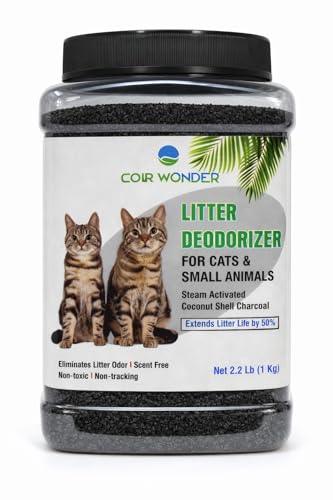
- activated charcoal litter deodorizer for cats


Before You Start
Prepare the area by opening windows or using a fan to improve ventilation. Wear disposable gloves to minimize contact with waste, and have sealed bags ready for disposal. Move the litter box to a well-ventilated area if possible during cleaning. The time estimate for a thorough clean-and-deodorize session is typically 20–40 minutes for a standard box, longer for larger setups or multiple boxes. Important cautions: never mix cleaners with bleach or ammonia-based products, and avoid using scented products that may irritate pets or people with sensitivities.
Step-By-Step: How To Get Rid Of Cat Feces Odor
- Remove solid waste from the litter box using a dedicated scoop. Dispose of waste in a sealed bag.
- Empty the litter completely and rinse the litter box with warm water. Avoid harsh scrubbing that could scratch surfaces.
- Apply an enzymatic cleaner designed for litter boxes. Follow label directions and let it sit long enough for enzymes to break down organic matter.
- Rinse the box again if required by the product instructions, and allow it to dry fully in a ventilated area.
- Refill the box with fresh litter. Consider a litter type with odor-control properties for ongoing protection.
- Apply an activated charcoal litter deodorizer around the box and mix lightly with the litter. This helps absorb stray odors between changes.
- Spray a light mist of an enzyme-based odor remover on the surrounding floor area near the box (avoid spraying directly into the litter bed).
- Keep the box in a well-ventilated space and ensure regular scooping schedule to prevent buildup.
- For ongoing maintenance, establish a weekly deep clean and monthly deodorizer refresh to maintain freshness.
- Monitor for lingering odors. If smells persist in enclosed spaces, consider additional air purification or adjusting litter quantity and box location.
- Document a routine: weekly scoop, biweekly full clean, and monthly deodorizer treatment for best long-term results.
Troubleshooting
| Symptom | Likely Cause | Fix | Prevention |
|---|---|---|---|
| Strong odor immediately after cleaning | Enzymes not given time to work | Reapply enzymatic cleaner and wait per label | Follow recommended dwell times; avoid short-cuts |
| Odor persists near box even after cleaning | Inadequate ventilation or infrequent scooping | Increase ventilation; adjust scooping frequency | Establish routine: daily scooping |
| Discoloration or residue on litter box | Overuse of cleaners or wrong product | Rinse thoroughly; switch to product designed for litter boxes | Read labels; test on small area first |
| Mask-like chemical smell | Overly strong scented products | Switch to fragrance-free or milder options | Use enzyme-based products; avoid harsh scents |
Common Mistakes
- Using bleach or ammonia cleaners near litter boxes, which can irritate pets and worsen odors.
- Neglecting regular scooping and full cleanings, allowing waste buildup to persist.
- Relying solely on scented sprays without addressing underlying waste and litter controls.
- Overusing deodorizing powders or fragrances that may irritate cats’ senses.
Tips For Best Results
- Combine enzymatic cleaners with activated charcoal for dual-action odor control.
- Choose litter with built-in odor control and maintain appropriate litter depth to reduce waste contact with air.
- Place litter boxes in a quiet, well-ventilated area away from high-traffic zones to minimize odor accumulation in living spaces.
- Keep waste bags sealed and remove them promptly to prevent odors from escaping.
- Consider multiple boxes for multiple cats—this can reduce waste per box and improve odor management.
Call A Professional
If odors persist despite using enzymatic cleaners and deodorizers, or if there are signs of mold, persistent dampness, or health concerns for pets, contact a veterinarian or professional cleaning service. Stop signs include ongoing strong smells after cleaning, visible moisture or mold, or unusual pet coughing or sneezing around the box area.
FAQ
What is the most effective odor remover for a litter box?
Enzymatic cleaners specifically designed for litter boxes break down organic waste, while deodorizing products add a barrier against smells.
How often should I clean the litter box to prevent odors?
Daily scooping with a full deep clean every one to two weeks helps maintain fresh odors and reduce buildup.
Can activated charcoal deodorizers replace daily cleaning?
No. They supplement cleaning but do not remove waste; regular scooping remains essential.
Are scented products safe for cats?
Many cats are sensitive to strong scents. Use mild or fragrance-free options and monitor your cat’s reaction.
Buying Guide
When selecting odor-control products for a cat-friendly home, consider size and placement of the litter area, noise tolerance for device or spray usage, energy efficiency of any automated solutions, and the level of control offered by the product. Key factors include:
- Size: Choose products appropriate for the size of the litter area and number of cats.
- Noise Level: For enzymatic sprays or devices, check quiet operation if placed in living spaces.
- Energy Efficiency: If using powered deodorizing devices, consider energy usage and auto-off features.
- Controls: Simple, clear instructions and label guidance reduce misuse and improve results.
- Placement: Ensure boxes are in well-ventilated, accessible areas away from high-traffic zones and furnishings.
Compare options that include enzyme-based litter odor removers, enzymatic cleaners for litter boxes, and activated charcoal litter deodorizers. Look for products with clear dwell times, safe usage around pets, and proven odor-neutralizing performance. If unsure, start with a small kit to assess effectiveness in your home environment.
Leave a Reply