How to Clean Blurry Glasses for Sharp Vision
Blurry lenses can disrupt daily tasks, from reading labels to driving. Proper cleaning restores clarity without damaging coatings. This guide outlines practical methods using common tools and a few specialty items to keep glasses crisp and comfortable.
Quick Answer
For most lenses, use a microfiber cloth with a gentle spray designed for eyeglasses, then finish with a soft wipe. If smudges persist, an ultrasonic cleaner can be a deeper clean, followed by air-drying on a lint-free surface.
What You’ll Need
- Microfiber glasses cleaning cloth 6×7 inch pack
- Eyeglasses lens cleaning spray 2 oz anti-fog
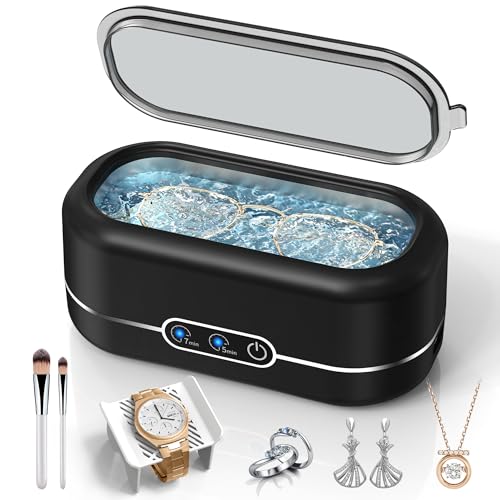
- Ultrasonic glasses cleaner machine countertop


Before You Start
Ensure hands are clean and dry before touching lenses. Work in a well-lit area and avoid abrasive materials. If your frames have coatings, choose cleaning products specifically labeled safe for eyeglasses to prevent wear. Avoid household cleaners, towels with lint, and rough surfaces, which can scratch or degrade lens coatings. Time estimate: 5–15 minutes for a daily clean, longer for a deep clean with an ultrasonic device.
Step-By-Step: How To Clean Blurry Glasses
- Rinse lenses under lukewarm water to remove loose debris and reduce scratching risk.
- Apply a small amount of eyeglasses lens cleaning spray (anti-fog) to each lens or spray onto the microfiber cloth.
- Gently wipe lenses with the microfiber cloth using circular motions, avoiding excessive pressure on coatings.
- Check for lingering smudges and re-wipe as needed, using a dry section of the cloth.
- If using an ultrasonic cleaner, place glasses in the dedicated holder, fill with the recommended solution, and run a brief cycle as directed by the device manual.
- Remove lenses and rinse briefly with water to remove any cleaner residue, then dry with a clean microfiber cloth.
- Inspect for streaks or water spots; buff with a dry area of the cloth until clear.
- Store glasses in a protective case when not wearing them to prevent dust accumulation.
Troubleshooting
| Symptom | Likely Cause | Fix | Prevention |
|---|---|---|---|
| Persistent hazy film after cleaning | Residue from cleaner or hard water | Use distilled water and a dedicated cleaning spray | Rinse thoroughly; avoid tap water on coatings |
| Scratches visible after cleaning | Abrasive cloth or rough surface | Switch to a microfiber cloth; inspect cloth for fibers | Keep cloth clean; launder per fabric care |
| Anti-fog coating ineffective | Coating degraded or incompatible spray | Use spray labeled for anti-fog and compatible lenses | Follow product guidelines; avoid mixing products |
| Streaks after drying | Moisture trapped in cloth fibers | Use a fresh dry section of the cloth | Regularly launder cloths |
Common Mistakes
- Cleaning with household glass cleaners or ammonia-containing products
- Wiping lenses while they’re dry and dusty
- Using old or dirty microfiber cloths that shed lint
- Applying too much spray, which can cause smudges
Keeping a dedicated cleaning routine with the right tools helps prevent common issues and maintains lens integrity.
Tips For Best Results
- Keep a dedicated microfiber cloth on the cleaning station for quick touch-ups
- Use spray products labeled anti-fog and safe for coated lenses
- Regularly replace or wash cleaning cloths to avoid transferring dirt
- Rinse lenses gently with lukewarm water before cleaning to reduce friction
- For frames with coatings, avoid aggressive scrubbing or abrasive brushes
Call A Professional
Seek professional help if glasses persistently fail to clear after cleaning, if coatings appear peeling, or if lenses require resurfacing. If you notice cracks, missing coatings, or warped frames, contact an optician or eyewear technician promptly.
FAQ
How often should I clean my glasses?
Clean daily or whenever you notice smudges to maintain optimal clarity.
Can I use water alone to clean my glasses?
Rinsing with lukewarm water helps remove debris, but a dedicated spray improves clarity and anti-fog performance.
Is an ultrasonic cleaner safe for all glasses?
Most glass types are compatible, but always check the device manual and your lens coatings before use.
What if my glasses fog up frequently?
Try an anti-fog spray or consider applying a small amount of the product to the inside of the lenses and wiping evenly.
Buying Guide
When choosing cleaning gear for blurry glasses, consider size, noise level, energy efficiency, controls, and placement. A compact ultrasonic cleaner works well on a kitchen counter or desk, but ensure it has a gentle cleaning setting and a secure holder for glasses. A high-quality microfiber cloth of 6×7 inches is portable and effective for quick cleans, while a dedicated anti-fog spray helps maintain clarity in humid environments. Look for products labeled safe for coated lenses to protect anti-reflective or hydrophobic coatings. For placement, create a dedicated cleaning station near your primary workspace to encourage consistent care. If you wear multiple pairs, consider stain-resistant cloths and a small storage case to keep lenses dust-free between uses. Always follow manufacturer instructions for each product to optimize performance and longevity.
Leave a Reply