How to Get Rid of Mattress Topper Smell
Unpleasant odors on a memory foam mattress topper can stem from spills, prolonged use, or the natural off-gassing of foam. With the right approach, you can refresh the topper without replacing it. The following guide offers practical, easy-to-follow steps using common products designed to neutralize smells and maintain the topper’s integrity.
Professional cleaners aren’t always necessary for minor odors. This guide combines household solutions with targeted products to help you restore freshness efficiently and safely.
Quick Answer
Neutralize odors first with baking soda, then use a targeted odor remover spray or a dedicated cleaning kit for stubborn smells. Allow the topper to dry completely before placing it back on the bed to prevent mildew and re-smell.
What You’ll Need
- Memory foam mattress topper odor remover spray
- Baking soda deodorizer for mattress topper
- Mattress topper cleaning kit memory foam odor eliminator
- Vacuum cleaner with upholstery attachment
- Clean cloths or towels
- Optional: low-sudsing mild detergent (for spot cleaning)
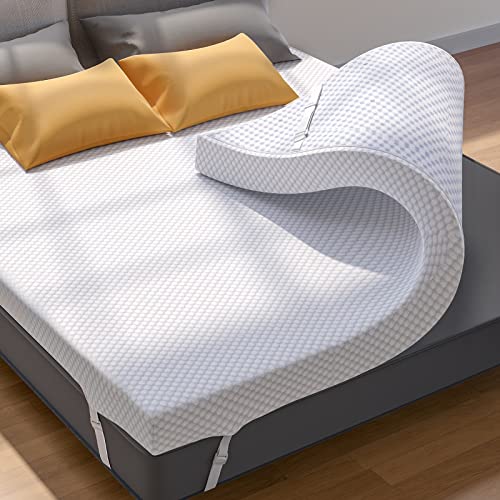

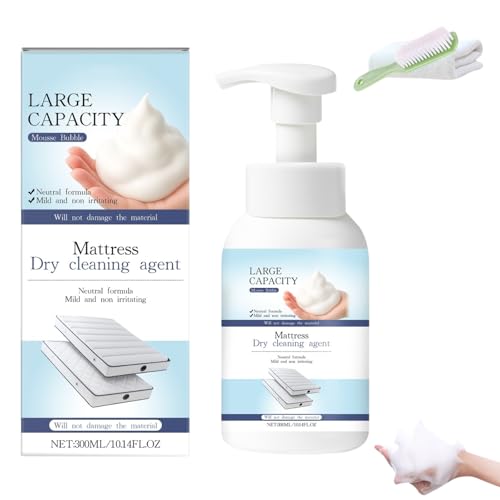
Before You Start
Choose a well-ventilated area or a sunny day to allow faster drying. Remove the topper from the bed and lay it flat on a clean, dry surface. Test any product on a small, inconspicuous area first to ensure it won’t discolor or degrade the foam. Expect the process to take a few hours to a full day depending on air flow and odor strength.
Step-By-Step: How To Get Rid Of Mattress Topper Smell
- Ventilate the room by opening windows and turning on a fan. Fresh air helps odors dissipate and reduces chemical buildup from cleaners.
- Vacuum the topper thoroughly to remove dust, hair, and loose particles. Use the upholstery attachment for best contact with the foam surface.
- Lightly wipe the surface with a damp cloth to remove any surface grime. If using a mild detergent, dilute it in water and apply sparingly to avoid over-wetting.
- Sprinkle baking soda deodorizer for mattress topper evenly across both sides. The baking soda will absorb moisture and neutralize odors over several hours.
- Let the baking soda sit for at least 4–6 hours, ideally longer if possible. For stronger odors, you can leave it overnight.
- Vacuum up the baking soda thoroughly. Ensure all residues are removed to prevent a dusty feel on the topper.
- Apply memory foam mattress topper odor remover spray in a light, even mist according to product instructions. Avoid soaking the foam; use a dry approach to prevent moisture retention.
- Allow the topper to air dry completely. If possible, position it in a sunny spot or use a fan to speed up drying. Ensure no damp areas remain to prevent mold.
- If odors persist, repeat the spray treatment or combine with the mattress topper cleaning kit memory foam odor eliminator for targeted components designed to neutralize lingering smells.
- Return the topper to the bed once completely dry. Consider using a mattress protector to minimize future odor absorption and simplify cleaning.
- Monitor the bed environment for a few days. Address any new odors promptly to prevent permanent embedding.
Troubleshooting
| Symptom | Likely Cause | Fix | Prevention |
|---|---|---|---|
| Persistent odor after cleaning | Deep-set moisture or mold growth | Re-clean with a focus on thorough drying; consider a deodorizing spray designed for memory foam | Ensure complete drying, use breathable covers |
| Foam feels damp after treatment | Over-wetting during spot cleaning or spray | Air out in a well-ventilated area until fully dry; avoid damp areas | Use minimal moisture and allow ample drying time |
| New odors emerge after a few days | Off-gassing from materials or lingering moisture | Ventilate and reapply odor remover spray to target stages | Keep room temperature moderate and airflow steady |
| Discoloration on topper | Harsh cleaners or over-wetting | Spot-clean with gentle solution; blot, don’t scrub | Test before broad application |
Common Mistakes
- Using too much liquid cleaner or soaking the topper
- Skipping ventilation, leading to trapped moisture
- Failure to dry thoroughly before putting the topper back on the bed
- Relying only on deodorizing sprays for strong odors without cleaning
Address odors quickly with a balanced approach: clean, deodorize, and dry. This reduces the chance of mildew and preserves the topper’s life.
Tips For Best Results
- Deal with spills promptly to prevent odor development. Blot liquids immediately and treat the area within 24–48 hours.
- Regularly vacuum and air out the topper to minimize odor buildup over time.
- Use a mattress protector to shield the topper from sweat, oils, and spills.
- Follow product instructions closely for any odor remover spray or cleaning kit to avoid foam damage.
- Place the topper in a sunny spot occasionally; UV exposure can help reduce microbial odors, but avoid prolonged direct sun on aging foam.
Call A Professional
If odors persist after multiple cleaning attempts or if you detect mold, musty smells, or health concerns, stop and seek professional cleaning services. Persistent moisture, persistent odors after cleaning, or visible mold growth are red flags that require expert assessment to ensure safety and preserve the topper’s integrity.
FAQ
Can baking soda damage memory foam toppers?
Properly applied, baking soda is safe for memory foam and helps absorb odors. Thorough vacuuming is essential to remove all residues.
How often should I clean a memory foam mattress topper?
Light cleaning and airing out every 1–3 months helps reduce odor buildup; deeper cleaning can be done every 6–12 months or as needed based on use.
Is it okay to use essential oils on a memory foam topper?
Some essential oils can interact with foam or leave lasting odors. If you choose to use them, dilute and apply sparingly with caution, and avoid direct application to foam.
What should I do if odor returns after washing?
Rewash with a focus on thorough drying and consider a longer airing period plus repeated deodorizing steps.
Do I need to remove the topper for cleaning the bed frame?
Yes, remove the topper to clean the surface beneath and to allow full access for cleaning and airing out.
When should I replace a mattress topper due to odor?
Replace if odors persist after multiple cleanings, if there is visible mold, or if the topper shows signs of deterioration that affect comfort or support.
Buying Guide
Choosing the right options to prevent or fight mattress topper odors involves considering size, materials, and maintenance features. Here are key buying factors to weigh:
- Size and fit: Ensure the topper matches your bed dimensions precisely to avoid gaps that collect moisture or odor.
- Odor-neutralizing capabilities: Look for products specifically designed for memory foam, such as memory foam mattress topper odor remover spray or a dedicated cleaning kit memory foam odor eliminator.
- Absorbent deodorizers: Baking soda deodorizer for mattress topper can be helpful for regular maintenance; verify compatibility with foam materials.
- Materials and cover: A breathable cover or protector can reduce odor absorption and simplify cleaning.
- Ease of use: Choose solutions that are simple to apply and quick-drying to minimize disruption to sleep.
- Noise and heat considerations: For memory foam toppers, consider products that won’t affect insulation or sound while cleaning.
- Placement flexibility: A topper that dries evenly in a well-ventilated space makes odor control more effective.
- Maintenance cycle: Consider how often you’ll need to deodorize or refresh to keep odors at bay.
Thoughtful choices in cleaning tools and preventive measures help extend the life of the topper and maintain a fresh sleeping environment.
Leave a Reply