How to Clean Wood Walls Safely and Effectively
Wood walls add warmth and character to living spaces, but they require gentle care to preserve their finish. This guide explains practical, safe techniques for cleaning interior wood walls without damaging the surface or altering the color. Readers will learn a simple routine that works on various wood finishes, from painted panels to natural veneer.
Quick Answer
Use a pH-neutral wood cleaner spray for interior wood walls and a soft-touch approach. Lightly mist a microfiber cloth or mop, then wipe along the grain. Avoid soaking the surface and never scrub aggressively, which can dull finishes or raise wood grain. Finish with a dry microfiber cloth to remove any moisture.
What You’ll Need
- pH-neutral wood cleaner spray for interior wood walls 32oz for safe, effective cleaning
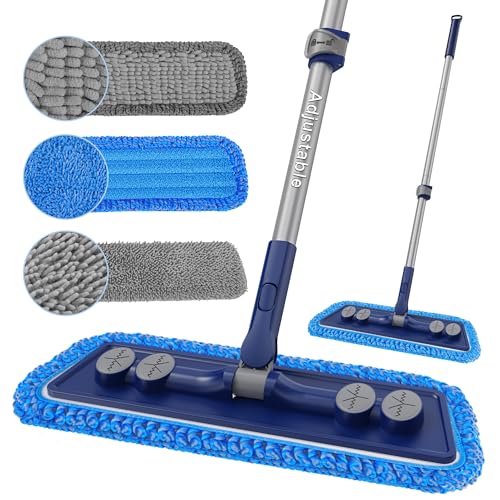
- microfiber duster mop for cleaning wood walls to reach high or tight areas
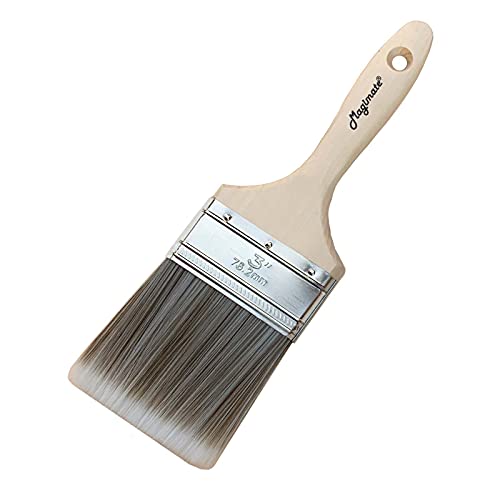
- soft bristle brush for wiping wood panel walls for stubborn spots
- Clean, lint-free cloths or microfiber towels
- Water in a spray bottle for light dilution if recommended by cleaner

Before You Start
Prepare the room by removing lightweight decor and covering floors with a drop cloth. Test the cleaner on a small, inconspicuous area of the wood wall to verify color fastness and finish compatibility. Ensure good ventilation and wear soft, non-scratch gloves if you have sensitive skin. Time estimate: 15–30 minutes for a typical room, depending on wall length and access to corners. Important venues: avoid excessive moisture, never pour cleaner directly onto wood, and discontinue if there is any finish peeling or bubbling.
Step-By-Step: How To Clean Wood Walls
- Dust the wall with a microfiber duster mop from top to bottom to remove loose dirt and cobwebs.
- Lightly mist a pH-neutral wood cleaner spray onto a microfiber cloth; never spray directly onto the wood.
- Wipe along the wood grain with the damp cloth, applying minimal pressure to lift grime without sanding the finish.
- For stubborn smudges, use a soft bristle brush to gently lift the residue in a circular motion, always following the grain.
- Rotate the cloth as it dries to avoid re-depositing dirt onto the wall.
- For heavily soiled panels, repeat with a fresh cloth, avoiding excess moisture that could seep into seams.
- Dry any remaining moisture with a clean, dry microfiber cloth to prevent streaking or water damage.
- Inspect corners, edges, and trim; repeat cleaning on any areas with residue while avoiding redundant scrubbing.
- Reassess the wall in natural lighting to ensure an even finish and no missed spots.
- Return decor and restore air circulation to help surfaces dry evenly after cleaning.
- Document any areas requiring special touch-ups or refinishing beyond routine cleaning.
- Store cleaning supplies in a cool, dry place away from direct sunlight to preserve effectiveness.
Troubleshooting
| Symptom | Likely Cause | Fix | Prevention |
|---|---|---|---|
| Streaks after cleaning | Moisture or cleaner buildup | Wipe with a dry cloth and buff with a dry microfiber | Use minimal spray and well-wrung cloths |
| Finish dulls or hazy appearance | Over-wetting or harsh cleaners | Switch to a pH-neutral cleaner and avoid soaking | Test in a hidden area first |
| Color transfer or bleeding on light wood | Incompatible cleaner | Rinse with a clean cloth and dry thoroughly | Avoid strong cleaners on sensitive finishes |
| Streaks around trim or joints | Residue buildup | Clean with a light touch and a fresh cloth | Regular maintenance with proper technique |
Common Mistakes
- Using a spray directly on wood surfaces
- Excess moisture that can warp panels or seep into seams
- Ignoring test patches on hidden areas
- Hard scrubbing that can scratch or remove finish
By avoiding these missteps, wood walls retain their color and texture longer while staying free of grime.
Tips For Best Results
- Schedule regular light cleanings to prevent heavy buildup.
- Dust with a microfiber tool before damp cleaning to minimize moisture use.
- Use long, even strokes with the grain to reduce streaking.
- Choose a cleaner that matches the wood’s finish—painted walls may tolerate slightly different products than natural veneer.
- Keep a well-ventilated space during cleaning to expedite drying and reduce odor.
Call A Professional
Contact a professional if wood walls show signs of peeling, delamination, significant water damage, or warping. Areas near plumbing leaks, basements, or kitchens with high humidity require expert assessment to prevent further deterioration. If color-matching touch-ups are necessary or refinishing is considered, a pro will provide guidance on products and methods that preserve the original look.
FAQ
Can I use soap and water to clean wood walls?
Soap and water can be used sparingly if the surface tolerates it, but a pH-neutral wood cleaner spray is safer for most finishes and minimizes risk.
How often should wood walls be cleaned?
Light cleaning every few months helps maintain appearance; more frequent maintenance may be needed in kitchens or entryways.
Will cleaning remove stains from wood walls?
Some stains may require targeted treatment or refinishing; start with a gentle cleaner and consider professional options for stubborn marks.
Is it okay to scrub painted wood walls?
Gentle wiping is recommended; avoid abrasive scrubbing that can remove paint or sealant.
Buying Guide
When selecting cleaning supplies for wood walls, consider factors such as the surface type, finish, and room environment. A good cleaning regimen balances effective dirt removal with finish protection. Key buying factors include:
- Size and coverage: A 32oz bottle of pH-neutral cleaner is convenient for multiple rooms; larger volumes may be useful for frequent cleaning.
- Noise level and ergonomics: Tools like microfiber mops with lightweight handles reduce fatigue during larger cleanups.
- Energy efficiency and sustainability: Choose plant-based or low-VOC cleaners when possible for indoor air quality.
- Controls and spray design: Controlled mist spray helps avoid over-wetting surfaces.
- Placement and storage: Keep cleaners away from children and pets, and store with brushes and mops in a dry, ventilated area.
For a balanced approach, pair a pH-neutral wood cleaner spray for interior wood walls 32oz with a compatible cleaning toolkit to cover both routine maintenance and spot cleaning. The combination of a microfiber duster mop for cleaning wood walls and a soft bristle brush for wiping wood panel walls enables thorough yet gentle cleaning. Consider the room size, wall finish, and access points when planning a cleaning schedule to keep wood walls looking fresh and well-preserved.
Leave a Reply