How to Clean Eyeshadow Palette Safely and Effectively
Keeping an eyeshadow palette clean helps preserve pigment quality, prevent bacteria buildup, and extend the life of makeup tools. This guide outlines a practical, step-by-step method tailored for American users, with safe supplies and simple maintenance routines you can repeat regularly.
Proper cleaning not only protects your skin but also maintains color payoff and texture. The methods below emphasize gentle sanitization and effective removal of residue without compromising palette components or finishes.
Quick Answer
To clean an eyeshadow palette efficiently, start by removing loose powder with a clean brush, then wipe surfaces with a silicone spatula for makeup palette cleaning to lift pigment. Use a makeup palette cleaning scraper silicone tool to scrape stubborn residue, followed by a light wipe with a cloth dampened with isopropyl alcohol spray bottle for makeup sanitizing. Let the palette air-dry completely before reuse.
What You’ll Need
- Silicone spatula for makeup palette cleaning
- Makeup palette cleaning scraper silicone tool
- Isopropyl alcohol spray bottle for makeup sanitizing
- Lint-free cloth or cotton pads
- Soap (mild, fragrance-free) or gentle makeup brush cleanser
- Water sprayer or small bowl with warm water
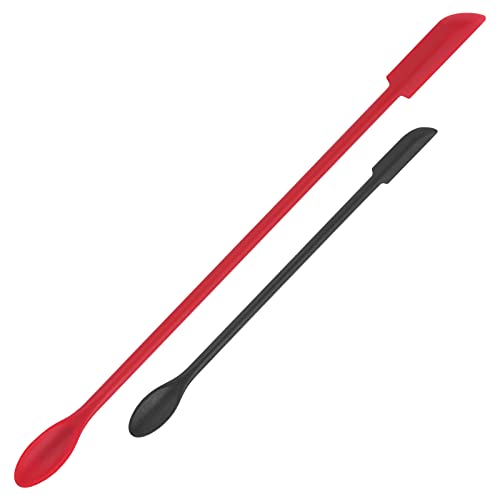 |
Mini Spatula Silicone Spatula Set – Cuttte 2pcs Small Makeup Scrapers for Cosmetics, Reusable Beauty Tiny Tools, Thin Jar Scraper, Get Last of Makeup Out, Black and Red |
Before You Start
Before cleaning, clear the area to prevent powder dispersion. Work in a well-ventilated space and protect surfaces with a towel or parchment paper. Do not soak palettes with magnetic pans, avoid soaking electronics or mirrors, and keep alcohol away from non-waterproof finishes. Allow ample drying time between steps to avoid damp residues that can affect makeup texture.
Step-By-Step: How To Clean Eyeshadow Palette
- Remove loose powder: Use a clean brush to gently sweep away surface powder from the palette surface and mirror.
- Wipe with a dry silicone tool: Employ the silicone spatula for makeup palette cleaning to lift stubborn powder without scratching.
- Scrape excess product: Run the makeup palette cleaning scraper silicone tool along the edges to dislodge dried residue.
- Prepare cleaning solution: In a small dish, mix a drop of mild soap with warm water, or use a gentle cleanser designed for makeup tools.
- Spot clean pans: Dip the silicone tools in the soapy solution and gently wipe each pressed powder pan, avoiding contact with the pan edges if possible to preserve layout.
- Sanitize with alcohol: Lightly spray a small amount of isopropyl alcohol spray bottle for makeup sanitizing on a lint-free cloth and wipe the palette exterior and the pan rims. Do not oversaturate.
- Rinse and dry: Wipe away any soap or alcohol residue with a clean damp cloth, then dry thoroughly with a lint-free cloth. Leave the palette open to air-dry completely.
- Reassess before reuse: Check for any remaining residue or moisture. If needed, repeat the wipe and dry steps and ensure the surface is completely dry before opening powders again.
Troubleshooting
| Symptom | Likely Cause | Fix | Prevention |
|---|---|---|---|
| Powder still streaks after cleaning | Soap residue or mineral build-up | Wipe with a clean cloth dampened with plain water, then dry | Rinse thoroughly and dry after every cleaning |
| Palette surface sticky after cleaning | Over-wetting or alcohol residue | Wipe with dry cloth and air-dry completely | Use minimal liquid; avoid saturating pans |
| Color transfer between pans | Rubbing too hard or wet cleaning | Use gentle strokes with silicone tools; only wipe pan rims | Clean one area at a time; keep pans intact |
| Non-magnetic magnetic pans lifting | Excess moisture near magnets | Let dry longer; avoid touching magnets during cleaning | Dry thoroughly before closing the palette |
Common Mistakes
- Using harsh solvents or soaking the palette, which can degrade finishes or clays
- Scrubbing too aggressively, causing pan movement or pan damage
- Not drying completely, leading to mold or clumping when powders are reused
- Wetting the mirror or screen with liquids, risking water damage to components
Tips For Best Results
- Clean palettes on a regular schedule—after every few uses or weekly for frequent users
- Store palettes in a cool, dry place away from direct sunlight to preserve pigment integrity
- Keep a dedicated set of silicone tools to avoid cross-contamination between products
- Label seasonal or special-edition palettes to help track cleaning frequency
- If a palette uses restricted pigments, test a small area first to ensure compatibility with cleaners
Call A Professional
Consider professional cleaning if a palette shows persistent residue, damaged pans, or if you suspect contamination that could affect skin health. Stop using the palette if you notice skin irritation or unusual odors after cleaning, or if the magnets or pan wells appear loose or corroded.
FAQ
Can I use alcohol on all types of eyeshadow palettes?
Alcohol is generally safe for hard plastic or metal palettes; test a small area first and avoid porous or delicate finishes.
How often should I clean my eyeshadow palette?
Clean weekly for frequent users or after completing a frequent color palette, and immediately if you notice fallout or skin irritation.
Is it necessary to clean mirrors and case?
Yes, wipe mirrors and cases to prevent makeup transfer to other products and maintain overall hygiene.
What if pans are loose after cleaning?
Allow extra drying time and check for structural issues. If pans wobble, consider a professional fix or replacement.
Buying Guide
When selecting cleaning supplies for makeup palettes, consider efficiency, safety, and compatibility with your items. Key factors include size, noise level, energy efficiency, controls, and placement within a vanity or bathroom area.
Size and design matter: choose compact silicone tools that reach corners without scratching pans. Noise level matters for quiet environments; opt for low-sound ambient cleaning tools or manual silicone scrapers. Energy efficiency is less about power and more about minimal resource use—stick to water, mild cleansers, and small alcohol sprays. Controls refer to how easily the tools can be manipulated; ergonomic handles and flexible silicone surfaces improve control. Finally, placement should be in a dry, ventilated area away from heat and moisture to prevent damage and mold growth.
For comparisons, pair each cleaning tool with palette types you own—magnetic palettes, plastic cases, or metal pans—and consider how often you clean. Do you prefer a fast wipe-down or a thorough wipe, then air-dry routine? The right combination helps maintain pigment integrity, prolong shelf life, and reduce skin-related concerns.
Leave a Reply