How to Clean West Elm Performance Fabric
West Elm’s performance fabric line is designed to resist stains and odors, but routine cleaning helps maintain its look and longevity. This guide provides practical, spray-to-steam cleaning methods using common upholstery products. It focuses on safe techniques for synthetic performance fabrics while avoiding product damage.
Quick Answer
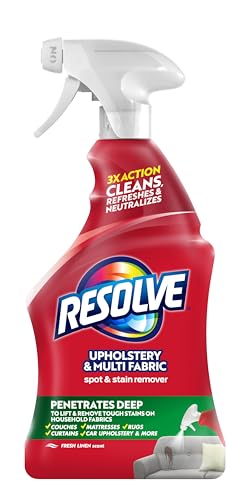
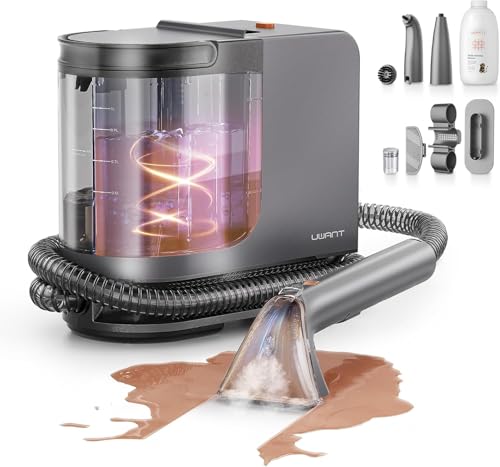
For light spills, blot with a clean cloth and use a upholstery cleaner spray for performance fabric 16 oz according to label directions. For stains, apply a fabric stain remover for synthetic performance fabric upholstery. If deep cleaning is needed, consider an upholstery steam cleaner suitable for performance fabrics following device guidelines and fabric care tags.
What You’ll Need
- Upholstery cleaner spray for performance fabric 16 oz
- Fabric stain remover for synthetic performance fabric upholstery
- Upholstery steam cleaner suitable for performance fabrics

Before You Start
Test any cleaner on a hidden area of the fabric or a removable cushion cover first. Allow the test spot to dry completely before proceeding. Work on one area at a time to avoid over-wetting. Avoid using bleach or harsh solvents, which can damage the textile. Plan cleaning sessions when you can air-dry naturally and prevent moisture buildup on cushions.
Step-By-Step: How To Clean West Elm Performance Fabric
- Blot spills immediately with a clean, dry towel to absorb liquids without rubbing.
- Apply a light mist of upholstery cleaner spray for performance fabric to a clean cloth, then gently blot the stained area.
- For tougher stains, spray the fabric stain remover for synthetic performance fabric upholstery directly onto the stain and let sit for 5–10 minutes.
- Gently blot with a clean cloth, lifting the stain from the fibers rather than rubbing it in.
- If the fabric feels damp, use a dry towel to absorb moisture and allow air-drying with good ventilation.
- When a deeper clean is needed, use an upholstery steam cleaner suitable for performance fabrics following the machine’s instructions and fabric care tag.
- Test cleaned areas again after drying to confirm colorfastness and finish.
- Replace cushions and fluff them to restore shape after cleaning.
- Repeat as needed for persistent soiling, always allowing full drying between sessions.
- Store any cleaning tools in a dry place to prevent mildew and to be ready for future spills.
- For large or antique pieces, consider professional cleaning if fabric shows wear or color change.
Troubleshooting
| Symptom | Likely Cause | Fix | Prevention |
|---|---|---|---|
| Stain reappears after cleaning | Residual stain trapped in fibers | Reapply stain remover and blot with clean cloth; avoid over-wetting | Address spills immediately; use protective sprays if recommended |
| Fabric feels stiff after cleaning | Excess residue from cleaners | Blot with a damp cloth and allow to air dry completely | Use minimal cleaner and thorough blotting |
| Color fade after cleaning | Harsh cleaner or over-wetting | Rinse lightly with a damp cloth and dry away from direct sunlight | Test cleaner first; follow care instructions |
| Persistent odor | Smell compounds trapped in fibers | Repeat cleaning with fresh solution; consider enzyme-based cleaner if advised | Avoid strong-smelling cleaners unless specified |
Common Mistakes
- Using too much liquid, which can saturate cushions and lead to mold.
- Rubbing stains aggressively, which fibers break and spread the staining.
- Ignoring care tags or using cleaners not approved for performance fabrics.
- Skipping drying time, which traps moisture and causes mildew.
Tips For Best Results
- Always perform a spot test on an inconspicuous area before full cleaning.
- Work from the outside of a stain toward the center to prevent spreading.
- Keep cushions elevated to improve air circulation during drying.
- Use a fabric-safe steam cleaner with a low-moisture setting to minimize soakage.
- Regular maintenance helps; consider a light spray routine after casual use to deter buildup.
Call A Professional
Consider a professional cleaning if the fabric shows significant staining, persistent odors, or if the piece is large and heavily used. Stop cleaning and contact a pro if the fabric tag warns against water-based cleaning or if you notice color bleeding, dye transfer, or fabric distortion.
FAQ
Can I use hydrogen peroxide on West Elm performance fabric?
Only if the fabric care tag explicitly allows it; otherwise avoid hydrogen peroxide to prevent color fading or fiber damage.
Is steam cleaning safe for performance fabrics?
Yes, when performed with a suitable upholstery steam cleaner and following fabric guidelines.
How long does it take to dry after cleaning?
Variables include fabric type, room ventilation, and cleaning method; plan several hours and ensure thorough drying.
Can I machine wash the cushions?
Most performance fabric cushions are not machine washable; refer to care labels and consider spot cleaning instead.
Buying Guide
When choosing cleaning approaches and products for West Elm performance fabric, consider key factors such as size of the area to clean, noise level of any steam cleaner, and the fabric’s care instructions. For ongoing maintenance, select upholstery cleaner spray for performance fabric that is safe for synthetic fibers and compatible with your fabric tags. A dedicated fabric stain remover for synthetic performance fabric upholstery is useful for isolated spots, while an upholstery steam cleaner suitable for performance fabrics helps refresh larger surfaces without excessive moisture. Look for cleaners labeled safe for performance fabrics and colorfast testing instructions.
Leave a Reply