How to Clean Drains With Vinegar: Quick, Safe Methods
Vinegar is a popular, budget-friendly option for tackling everyday sink clogs and odors. When used correctly, it can help break down buildup and keep drains flowing smoothly without harsh chemicals. This guide explains practical steps for safely cleaning drains with vinegar, plus additional tools that can boost results.
For American households facing common drain issues, vinegar paired with baking soda or hot water can be an effective first approach. The following sections provide a clear, step-by-step plan, safety tips, and options for more stubborn clogs.
Quick Answer
Start with hot water and a funnel of white vinegar to loosen grease and mineral deposits. If you need more power, use a plunger or a drain auger as a secondary step. For persistent problems, combine vinegar with baking soda, wait, then flush with hot water to finish.
What You’ll Need
- White vinegar
- Hot water
- Baking soda (optional)
- Cloth or stopper to seal the drain (optional)
- Handheld drain snake auger 25 ft kitchen sink
- Flexible drain cleaning auger snake 50 ft plumbing
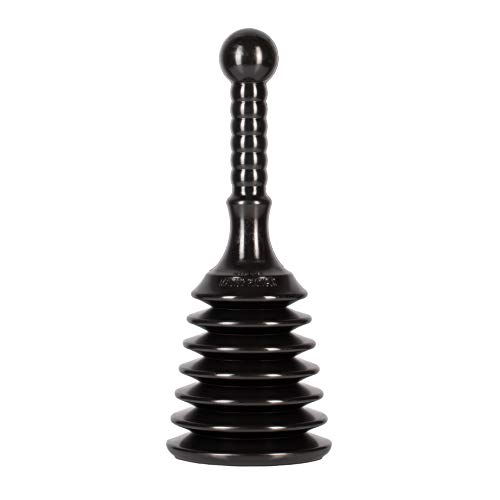
- Sink plunger with oversized cup kitchen drain cleaner


Before You Start
Before attempting any drain cleaning method, ensure the area is clean and dry. Remove any standing water if possible, especially in kitchen sinks. Wear gloves to protect hands from splashes, and work in a well-ventilated space. Vinegar is safe for most plumbing, but avoid mixing it with bleach or ammonia, which can create harmful gases.
Time estimates vary: simple flushes with hot water and vinegar take about 10–15 minutes, while using a plunger or auger may extend the session to 20–40 minutes for stubborn clogs.
Step-By-Step: How To Clean Drains With Vinegar
- Remove any visible debris from the sink and clear the drain opening as much as possible.
- Boil water in a kettle or pot. The hot water helps loosen grease and mineral buildup that vinegar alone may not displace.
- Pour a generous cup of white vinegar down the drain. If the sink is deeply clogged, pour slowly to avoid splashing and ensure the liquid reaches the trap area.
- Option A: Quick action—after adding vinegar, run hot water for 30–60 seconds to push loosened material through the pipes.
- Option B: Baking soda boost—pour 1/2 cup baking soda down the drain, then follow with 1 cup vinegar. Cover the drain for 5–10 minutes to trap fizzing reactions, then flush with hot water.
- Let the mixture sit for 15–20 minutes, then flush the drain with several quarts of hot water to clear loosened material.
- If the drain remains slow, proceed to mechanical help: use a handheld drain snake auger 25 ft kitchen sink or a flexible drain cleaning auger snake 50 ft plumbing to physically break up or retrieve the clog.
- Carefully insert the auger into the drain and rotate to extend the cable. When you feel resistance, either pull back slightly or push forward with steady pressure, then reel in to remove debris.
- Once you’ve cleared the clog, run hot water through the drain for a few minutes to ensure the line stays clear and to rinse away any remaining residue.
- Finally, for ongoing maintenance, perform a monthly vinegar rinse (hot water flush) to help prevent future buildup.
Troubleshooting
| Symptom | Likely Cause | Fix | Prevention |
|---|---|---|---|
| Slow drainage persists after vinegar | Grease buildup beyond the trap | Use a flexible auger to break up the clog | Regular monthly maintenance; avoid pouring grease down the drain |
| Strong odor after cleaning | Organic material trapped in P-trap | Remove and clean the P-trap; flush with hot water and vinegar | Run cold water while using soap and food waste disposal, then hot water |
| Drain gurgling sounds | Partial blockage or sewer vent issue | Try a plunger; if unresolved, contact a pro | Address vent issues promptly; avoid sealant overflows |
| Clog returns after several days | Frequent buildup due to hard water minerals | Use baking soda and vinegar cycle monthly; inspect water heater for mineral scale | Install a screen to catch debris |
Common Mistakes
- Using vinegar alone on a tough, greasy clog and expecting instant results
- Pouring boiling water into PVC pipes if the pipe is not rated for high heat
- Mixing vinegar with chemical cleaners, which can create hazardous fumes
- Inserting metal objects or using excessive force with an auger, risking pipe damage
Choosing the right combination of vinegar and mechanical tools is key to safe, effective results.
Tips For Best Results
- Always start with hot water to soften buildup before introducing vinegar.
- Use baking soda and vinegar as a timed, alternating treatment to maximize fizz and cleaning power.
- Keep a plunger on hand for quick, non-chemical fixes in kitchens and bathrooms.
- For long-term maintenance, schedule a monthly drain routine to prevent severe clogs.
Call A Professional
Warning signs that require a licensed plumber include complete sewer odor, multiple drains backing up simultaneously, water backups in toilets with other drains running, or persistent clogs despite multiple attempts. If you notice any of these indicators, stop DIY efforts and consult a pro to avoid damage and ensure proper venting and line integrity.
FAQ
Is vinegar safe for all drain types?
Yes, for most kitchen and bathroom drains, white vinegar is safe. Avoid using on severely corroded pipes without professional advice.
How often can I clean drains with vinegar?
A monthly vinegar-and-hot-water rinse is generally effective for maintenance.
Can I mix vinegar with baking soda for a stronger effect?
Yes, the fizz helps dislodge buildup. Let it sit before flushing with hot water.
Will vinegar damage my garbage disposal?
Used in moderation, vinegar is typically safe, but avoid using highly acidic, undiluted solutions and always run plenty of water through the disposal afterward.
Buying Guide
Choosing the right tools and setup can make drain cleaning safer and more effective. Consider the following factors when evaluating products and methods.
Size and reach
For sinks and drains, a 25 ft handheld drain snake auger fits most traps and pipes under sinks, while a 50 ft flexible drain cleaning auger reaches further into longer runs and trap assemblies. Select based on the typical length of drain lines in your home.
Noise and ease of use
Manual augers may be quieter than power-assisted tools but require more effort. Look for ergonomic handles and smooth rotation to reduce fatigue.
Energy efficiency and maintenance
Manual tools consume no electricity and have lower maintenance needs. If you prefer power-assisted options, check for reliability and safety features.
Controls and operation
Tool simplicity matters: a straightforward crank, clear cables, and a forgiving tip help prevent pipe damage and make operation intuitive for DIY users.
Placement and storage
Compact storage under the sink or in a utility closet keeps tools accessible for regular maintenance without clutter. Consider a kit that includes multiple attachments for versatility.
Compatibility and safety
Ensure tools are rated for typical home plumbing materials (PVC, copper, and steel). Follow manufacturer safety guidelines, especially when combining chemical cleaners with mechanical tools.
Leave a Reply