How to Clean Truck Bed Cover
Cleaning a truck bed cover keeps it looking new and extends its life, whether you have a soft tonneau cover, a folding cap, or a rigid system. This guide explains practical steps, the right tools, and safety tips to effectively remove dirt, grime, and road salt while protecting the cover’s material and finish.
Quick Answer
Rinse the cover to remove loose debris, apply a mild cleaner with a soft brush or microfiber mitt, rinse thoroughly, and dry with a clean microfiber towel. For stubborn grime, use a dedicated cleaning brush and repeat as needed. Always avoid harsh solvents that can damage the cover material.
What You’ll Need
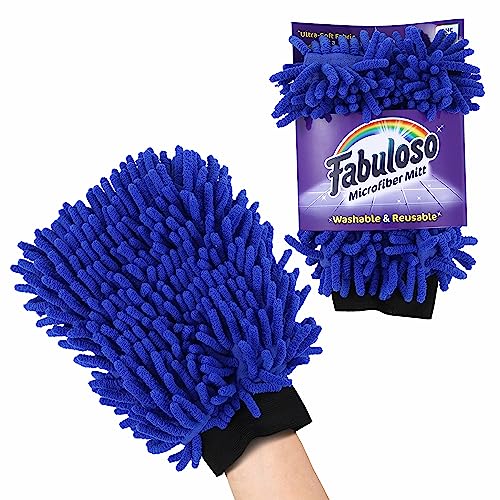
- Microfiber detailing mitt for vinyl tonneau cover cleaning
- Long-handled nylon scrub brush for truck bed cover cleaning
- Microfiber drying towel 24×16 for vehicle
- Bucket of lukewarm water
- Gentle car wash soap or specialized tonneau cover cleaner
- Soft, non-abrasive sponge or wash mitt
- Spray bottle with clean water for rinsing


Before You Start
Check the cover material and care instructions from the manufacturer. Most vinyl or fabric covers tolerate mild soap, but some materials require specific cleaners. Work in a shaded area or wait for cooler weather to prevent soap from drying too quickly. Protect surrounding surfaces to avoid water spots and ensure the truck is parked on a level, dry surface. Always wear gloves to minimize skin contact with cleaners and thoroughly rinse to remove all soap residues that can cause streaks or film.
Step-By-Step: How To Clean Truck Bed Cover
- Rinse the cover with a gentle stream of water to remove loose dust and grit. Start from the top edge and work downward to prevent dirt from re-depositing.
- Apply a diluted solution of mild soap or tonneau-specific cleaner to the microfiber detailing mitt. Avoid harsh chemicals or solvents that can degrade vinyl, fabric, or coatings.
- Gently wash the surface using broad, overlapping strokes. For textured or stubborn spots, use the long-handled nylon scrub brush from a slight angle to lift debris without scrubbing too hard.
- Rinse the cover again, paying attention to seams, stitching, and edge seals. Ensure all soap is removed to prevent residue that can dry into a cloudy film.
- If you encounter tough spots like bird droppings or sap, apply a small amount of cleaner directly to the area and lightly agitate with the microfiber mitt. Rinse thoroughly after treatment.
- Dry the cover with a clean microfiber drying towel, moving in the direction of the material’s grain or structure. Avoid air-drying in direct sunlight, which can cause streaking or water spots.
- Inspect for missed spots and repeat any necessary steps. A final once-over with the drying towel helps remove trapped moisture and leaves a uniform finish.
- Store any cleaning tools after use and rinse the brush and mitt promptly to extend their life. Dry all tools before storage to prevent mold and odor.
- For fabric or vinyl with protective coatings, consider applying a light, compatible spray protectant following your cleaner’s instructions to help repel future dirt.
- Reopen the truck bed to confirm no moisture remains around seals. If moisture is present, wipe once more and allow extra drying time before driving.
Troubleshooting
| Symptom | Likely Cause | Fix | Prevention |
|---|---|---|---|
| Streaks after drying | Soap residue or hard water spots | Rinse thoroughly and dry with a clean towel | Use distilled water for final rinse |
| Material feels sticky after cleaning | Residual cleaner or oversudsing | Rinse again with clean water | Dilute soap properly and use minimal product |
| Discoloration at seams | Improper cleaners or UV exposure | Follow manufacturer’s cleaning guidance; use dedicated cleaners | Avoid harsh solvents and park out of direct sun |
| Water pooling under edge seals | Improper drying or seal damage | Dry thoroughly and inspect seals; replace if needed | Regular maintenance of seals |
Common Mistakes
- Using stiff brushes that scratch vinyl or fabric.
- Choosing strong solvents or household cleaners not meant for tonneau covers.
- Cleaning in direct sun, which causes rapid drying and streaking.
- Allowing soap to dry on the surface before rinsing.
Tips For Best Results
- Work in shaded conditions and use cool or lukewarm water for safer cleaning.
- Test cleaners on a small, inconspicuous area first to confirm compatibility.
- Use a dedicated microfiber mitt for vinyl surfaces to minimize scratching.
- Rinse sections thoroughly to prevent soap residue from forming a film.
- Dry promptly to reduce water spots and improve the final appearance.
Call A Professional
Consider a pro if the cover has deep mold, persistent staining, or structural damage to seams or springs. Stop cleaning if the material shows cracking, heavy wear, or tearing that could worsen with agitation. Seek professional help for complex protectant applications or if the color or texture appears compromised.
FAQ
Can I use household laundry soap to clean a truck bed cover?
It is best to use a mild soap designed for automotive surfaces or an official tonneau cover cleaner to avoid residue or material damage.
How often should I clean a truck bed cover?
Clean as needed based on exposure to dirt, salt, or grime; typical intervals are monthly for regular use and after winter road salt exposure.
Is it necessary to dry the cover completely?
Yes, thorough drying prevents water spots and mold growth, especially in fabric covers.
Can I use a power washer?
Low-pressure rinsing is acceptable, but avoid high pressure that can damage seams or coatings. Always test a small area first.
Will cleaning affect waterproof coatings?
Most cleaners are compatible, but always follow the manufacturer’s care instructions to preserve any protective coatings.
Should I apply protectant after cleaning?
Apply a compatible protectant or sealant if recommended by the cleaner’s instructions to improve dirt resistance and ease future cleaning.
Buying Guide
When choosing a truck bed cover cleaning routine and products, consider size, material, and how you typically use the cover. Look for cleaners that are safe for vinyl or fabric, a gentle brush for scrubbing, and a high-absorbency drying towel. Noise level and energy efficiency aren’t directly relevant here, but consistency matters for routine maintenance. For those who frequently deal with road salt or mud, a dedicated tonneau cleaner with a protective leave-on coating can simplify upkeep. Reliability and ease of use should guide your choices as much as price.
Buying Guide: Key Buying Factors
- Size and compatibility: Ensure your cleaning tools fit comfortably in your workflow and the cover’s surface area.
- Material compatibility: Vinyl, fabric, and hard shells require different cleaners and brushes. Check manufacturer recommendations.
- Cleaning performance: Look for biodegradable, non-abrasive formulas and soft-bristle brushes to prevent surface damage.
- Tools and accessories: A microfiber detailing mitt, a long-handled nylon brush, and a soft drying towel create an efficient cleaning kit.
- Safety and ease of use: Ergonomic tools reduce strain and minimize the risk of damaging the cover.
- Placement and storage: Store cleaning supplies in a dry, accessible area near the vehicle for quick maintenance.
Leave a Reply