Clean Your West Elm Couch: Easy Upholstery Cleaning Guide
Cleaning a West Elm couch can extend its life and keep its fabric looking fresh. This guide walks through practical steps, tools, and safe practices to tackle common stains and everyday grime on upholstered sofas in American homes. By following the steps, you’ll learn how to refresh your furniture without damaging delicate fabrics or finishes.
Quick Answer
Choose a fabric-safe approach based on upholstery type: test cleaner on a hidden area, blot spills immediately, and use a soft brush/cloth for gentle cleaning. For tough stains, start with a fabric-safe upholstery cleaner spray, use a portable steam cleaner for deep cleaning, and finish with a dedicated sofa upholstery cleaning kit if needed.
What You’ll Need
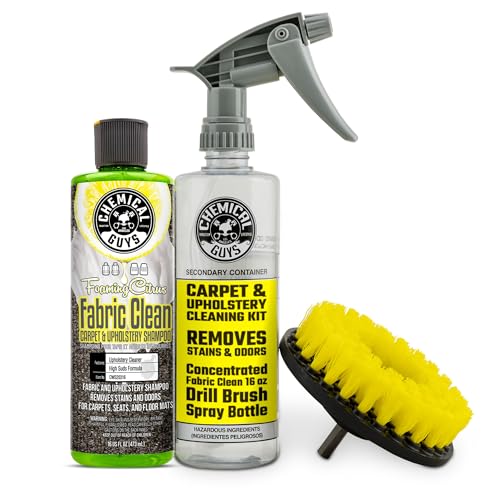
- Upfront: a fabric-safe upholstery cleaner spray for sofa stain removal 16 oz
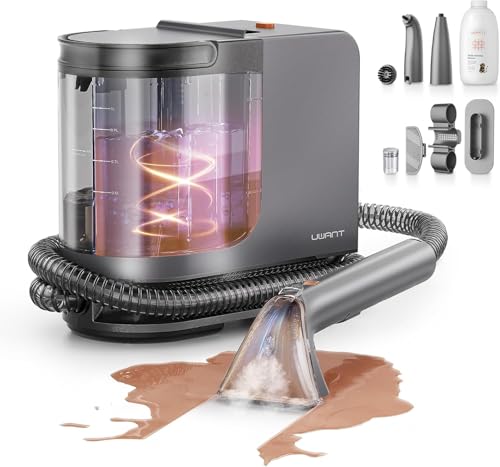
- Portable steam cleaner for fabric sofa upholstery 1500W
- Sofa upholstery cleaning kit with brushes and sponge

Before You Start
Assess fabric type and care tags on the West Elm couch. Most modern upholstery carries a care label with symbols or keywords such as “W,” “S,” or “S/W.” Never saturate fabric with water or cleaner without testing first. Protect nearby surfaces with towels or a drop cloth. Work in a well-ventilated area. Time estimate: 30–90 minutes for a typical couch depending on stain severity and drying time.
Step-By-Step: How To Clean Your West Elm Couch
- Identify fabric type and care instructions on the furniture tag to select appropriate products and methods.
- Blot spills immediately with a clean towel to absorb excess liquid without rubbing, which can spread stains.
- Test a small, inconspicuous area with the chosen cleaner or steam technique to ensure colorfastness and fabric integrity.
- Apply a fabric-safe upholstery cleaner spray evenly to the stain or lightly across the surface following the product directions.
- Gently scrub with a sofa upholstery cleaning kit brush or sponge in circular motions to lift soils without abrading fibers.
- For deeper soils, use a portable steam cleaner on a low-moisture setting, keeping the nozzle at a safe distance to avoid oversaturation.
- Blot and lift moisture with clean towels; allow the fabric to air-dry completely before use. Speed up drying with a fan or open window if possible.
- Repeat the process for stubborn stains, and consider a light vacuum after drying to remove loosened particles and restore fabric texture.
Troubleshooting
| Symptom | Likely Cause | Fix | Prevention |
|---|---|---|---|
| Stain reappears after cleaning | Residual stain or improper extraction | Repeat cleaning with a different cleaner or use a solvent appropriate for the fabric | Prompt blotting and minimal moisture |
| Fabric looks water-streaked | Over-wetting | Blot, allow to dry, and avoid excessive moisture next time | Moderate moisture, thorough drying |
| Color fading after cleaning | Harsh cleaner or agitation | Switch to milder, fabric-safe products | Spot-test and follow label directions |
| Stiff or rough texture after drying | Improper rinsing or too harsh mechanical action | Gently brush with clean soft-bristle brush to restore texture | Use gentle cycles and light brush work |
Common Mistakes
- Using household all-purpose cleaners not designed for fabrics
- Scrubbing vigorously, which can fray fibers or spread stains
- Over-wetting the upholstery, leading to longer drying times or mildew
- Skipping a test on a hidden area, risking color loss
Tips For Best Results
- Work from the outside of a stain toward the center to prevent spreading.
- Always follow label directions and avoid mixing cleaners.
- Schedule regular maintenance, such as light vacuuming and spot-cleaning, to prevent buildup.
- For high-traffic homes, consider professional cleaning every 12–18 months depending on use.
Call A Professional
Consider a professional cleaner if the couch has delicate fabrics, persistent odors, or large stains that do not respond to home methods. Stop and seek help if you notice discoloration, dye transfer, or fabric distortion after attempts to treat the stain. For commercial-grade upholstery or warranty-covered pieces, consult the manufacturer’s cleaning guidelines before proceeding.
FAQ
Can I use water to clean a West Elm couch?
Water-safe fabrics can tolerate light moisture, but always test first and avoid oversaturation on non-water-safe materials.
How often should I clean my upholstered sofa?
Regular light cleaning weekly and deeper cleanings every 6–12 months, depending on usage and fabric.
What if a stain is blood or oil-based?
Use a stain-specific treatment following fabric care tags and avoid heat until stains are fully removed.
Are steam cleaners safe for all fabrics?
No. Only use steam on fabrics labeled as safe for moisture and test in a hidden area first.
Should I remove cushions while cleaning?
Yes, clean cushions separately when possible to ensure all surfaces are cleaned evenly and to access tight seams.
Can I machine-wash my cushion covers?
Only if the covers are labeled machine-washable; otherwise, follow hand-cleaning or spot-cleaning instructions.
Buying Guide
When selecting products for sofa cleaning, consider size, noise level, energy use, ease of use, and compatibility with your couch fabric. For memory foam cushions or delicate velvets, choose gentler tools and low-moisture settings. Compare spray cleaners, portable steam cleaners, and cleaning kits for a balanced approach to routine upkeep and deeper cleanings. Look for clear instructions, safe fabric compatibility notes, and readily available replacement parts or brushes. An informed choice helps maintain fabric integrity while maintaining a fresh, inviting living space.
Leave a Reply