How to Clean Gold Jewelry With Toothpaste: Safe Steps and Tips
Gold jewelry remains a bright, enduring accent for many American wardrobes. While toothpaste is a common household idea for quick cleaning, using it on gold requires care to avoid scratching or dulling the metal or any gemstones. This guide explains a safe, practical approach and suggests reliable tools to support the process.
Quick Answer
To clean gold jewelry with toothpaste, use a non-gel, non-abrasive paste in moderation, gently scrub with a soft brush, rinse thoroughly, dry with a soft cloth, and inspect for wear or loose stones. For thorough cleaning, consider specialized equipment or a professional cleaning service when pieces have delicate settings or intricate designs.
What You’ll Need
- Soft nylon toothbrush for cleaning gold jewelry
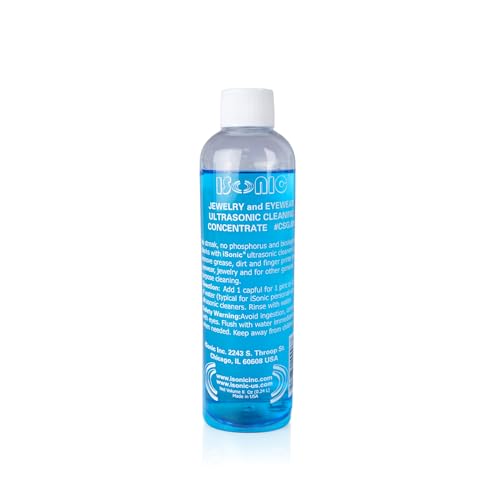
- Gold jewelry cleaning kit with solution and polishing cloth
- Ultrasonic jewelry cleaner for gold jewelry 40kHz (optional, for deeper cleaning)


Before You Start
Prepare a clean, lint-free workspace near a sink. Check each piece for loose stones or damaged settings before cleaning. Do not use toothpaste on porous stones or delicate pieces with emeralds, opals, or antique finishes. If in doubt, test on a small area first or skip to a professional cleaning. Time estimate: 10–15 minutes for routine cleanings; up to 30 minutes for more thorough sessions with a cleaner. Wear gloves if you have sensitive skin and keep jewelry dry after cleaning to prevent water spots.
Step-By-Step: How To Clean Gold Jewelry With Toothpaste
- Set up a small bowl of warm water and a pea-sized amount of toothpaste on a clean, soft cloth or the toothbrush.
- Gently dip the toothbrush or cloth into the toothpaste and apply a light layer to the gold surfaces, avoiding stones and settings whenever possible.
- Use gentle, circular motions to scrub the gold areas for about 60 seconds, focusing on crevices and ridges where dirt accumulates.
- Rinse the piece under lukewarm running water, ensuring all toothpaste residue is rinsed away. Do not rinse over an empty sink drain; use a strainer if possible.
- Dry the jewelry thoroughly with a soft, lint-free cloth; avoid rubbing aggressively to prevent scratches.
- For deeper cleaning, repeat the process briefly or switch to a dedicated gold cleaning solution following the product instructions.
- Inspect the piece for remaining grime near prongs and settings; use a flashlight to check under and around stones.
- Polish with the included polishing cloth from the cleaning kit to restore shine and remove any remaining micro-marks.
- Store pieces separately in a soft pouch or lined jewelry box to minimize contact and scratching.
- If a piece has gemstones or intricate settings, consider ultrasonic cleaning or professional servicing to avoid damage.
Troubleshooting
| Symptom | Likely Cause | Fix | Prevention |
|---|---|---|---|
| Dull or cloudy appearance after cleaning | Residual toothpaste or micro-scratches | Rinse thoroughly and buff with polishing cloth | Use toothpaste sparingly and a soft brush |
| Scratches or nicks on surface | Overly abrasive toothpaste or brushing too hard | Switch to a gentler method or professional cleaning | Avoid hard scrubbing; test on inconspicuous area |
| Loose stones or damaged setting | Cleaning process disturbed setting | Stop cleaning and consult a jeweler | Inspect before cleaning; remove cleaning if settings are fragile |
| Discoloration after cleaning | Rings or alloys reacting with toothpaste | Rinse well and consider a specialized solution | Use only recommended cleaners for delicate pieces |
Common Mistakes
- Using gel toothpaste or abrasive pastes on gold jewelry
- Cleaning with rough brushes or scrubbing too hard
- Cleaning with toothpaste on set stones or opaque gems
- Rinsing in a cluttered sink where pieces can slip away
Adopting a gentler approach and using the right tools helps maintain luster without risking damage.
Tips For Best Results
- Always test on a small, inconspicuous area first
- Pair toothpaste cleaning with a dedicated polishing cloth for a brighter finish
- Use an ultrasonic cleaner only if the jewelry and stones are suitable for such cleaning
- After cleaning, store pieces separately to prevent scratching
Call A Professional
Stop cleaning and seek a professional if you notice any of the following: loose stones, bent prongs, or any discoloration that cannot be removed with gentle cleaning. If your gold jewelry has antique finishes, intricate gemstones, or delicate filigree, professional cleaning is recommended to avoid inadvertent damage.
Frequently Asked Questions
Can toothpaste damage gold jewelry?
Yes, especially if the toothpaste is abrasive or used aggressively. Use a mild approach and test first.
Is an ultrasonic cleaner safe for all gold pieces?
Ultrasonic cleaning is generally safe for solid gold pieces but can loosen stones or damage delicate settings. Use caution and consult a jeweler if unsure.
What kind of toothbrush should I use?
A soft nylon toothbrush designed for jewelry is best to avoid scratching.
How often should I clean gold jewelry?
Clean metal surfaces periodically, but avoid over-cleaning which can wear away finish or settings. For pieces with gemstones, follow manufacturer guidelines or professional advice.
Buying Guide
When choosing tools to clean gold jewelry, consider size, noise level, energy efficiency, controls, and placement in your home. A compact ultrasonic cleaner with a gentle frequency is helpful for deeper cleaning, while a dedicated gold jewelry cleaning kit provides a safe, controlled approach for routine care. Look for soft-bristle brushes and lint-free polishing cloths that are gentle on metal. For busy households, a simple cleaning kit paired with a soft brush can handle most routine pieces, while reserved pieces with delicate settings may benefit from occasional professional services. Think about where you’ll store cleaners and how often you’ll perform maintenance, and select gear that matches your jewelry collection and cleaning cadence.
Leave a Reply