How to Clean Stained Ceramic Tile
Ceramic tile adds a clean, durable surface to kitchens, bathrooms, and entryways. Stains can develop in grout lines or on the tile surface from spills, mildew, or mineral deposits. This guide outlines practical, user-friendly methods to restore a bright, uniform look using common cleaning tools and products suitable for American homes.
Quick Answer
For most stains, start with a mild ceramic tile cleaner spray or a homemade solution, scrub with a tile grout cleaning brush with nylon bristles, rinse, and dry. For tougher grime, use a steam mop on ceramic tile and follow with a scrub kit. If discoloration persists in grout, repeat the process or consider a dedicated grout cleaner spray and pad kit.
What You’ll Need
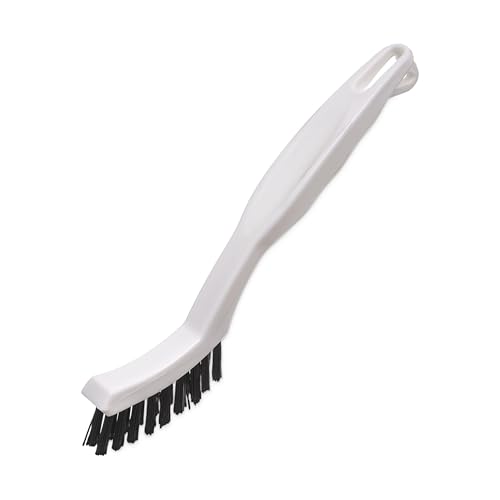
- Tile grout cleaning brush nylon bristles
- Steam mop for ceramic tile cleaning
- Ceramic tile cleaner spray with scrubbing pad kit
- Soft microfiber mop or cloth for rinsing and drying
- Baking soda or mild hydrogen peroxide for tougher stains (optional)


Before You Start
Clear the area and remove motion hazards. Vacuum or sweep loose debris from floors to prevent grinding dirt into grout. Test any cleaner in a small, inconspicuous area first to ensure no color fading. For safety, wear gloves and ensure good ventilation. Time estimate: 30–60 minutes for average tile, longer for extensive grout staining. Do not use bleach on colored grout unless the manufacturer approves it.
Step-By-Step: How To Clean Stained Ceramic Tile
- Sweep or vacuum the floor to remove surface dirt and debris.
- Apply a ceramic tile cleaner spray with scrubbing pad kit to a small area or a particularly stained section.
- Use the nylon bristle tile grout cleaning brush to scrub grout lines in a back-and-forth motion, focusing on discolored sections.
- For surface stains, allow the cleaner to sit for 5–10 minutes to loosen grime before scrubbing again.
- Rinse the area with clean water, using a microfiber cloth or mop to remove soap residue.
- Run a steam mop over the ceramic tiles to lift embedded dirt and sanitize the grout. Move slowly for best results.
- Apply baking soda paste (baking soda mixed with a little water) to stubborn grout stains, scrub with the nylon brush, then rinse.
- Dry the floor with a clean microfiber cloth to prevent water spots and mold growth.
- Inspect for remaining stains and repeat the process on stubborn areas if needed.
- Finish by applying a light mist of the tile cleaner spray to a small area and wipe down to maintain a fresh appearance.
- Regular maintenance: sweep weekly and mop every 1–2 weeks to prevent buildup.
Troubleshooting
| Symptom | Likely Cause | Fix | Prevention |
|---|---|---|---|
| Stains in grout persist after cleaning | Deep-set mineral deposits or mildew | Reapply cleaner, use steam mop, then scrub grout with nylon bristle brush | Seal grout if recommended by manufacturer; clean promptly after spills |
| Tile surface discolors after cleaner use | Harsh chemical residue or incompatible cleaner | Rinse thoroughly with clear water and wipe dry | Test cleaners in small area first; follow product guidelines |
| Grout looks darker after cleaning | Moisture trapped in porous grout | Dry thoroughly with towels; run a fan or dehumidifier | Avoid over-wetting and ensure proper airflow |
| Streaks or soap films | Residual cleaner or detergent | Rinse twice with clean water, then dry | Use minimal cleaner; wipe in a single direction |
Common Mistakes
- Using abrasive pads that scratch tile or grind grout.
- Over-wetting grout, which can lead to mold growth.
- Choosing a cleaner not compatible with the grout or tile finish.
- Neglecting regular maintenance, causing buildup and stubborn staining.
Tips For Best Results
- Work in small sections to prevent cleaner from drying out before you scrub.
- Use nylon bristle brushes for grout to avoid scratching tile.
- For heavy grout staining, a paste of baking soda and water can offer extra whitening power.
- Test all products on a hidden area first to prevent color loss or damage.
- Schedule routine cleaning to keep grout resistant to mildew and staining.
Call A Professional
Consider a pro if grout is severely cracked, crumbling, or badly stained despite repeated cleaning. Seek professional help for large areas, uneven tile surfaces, or water damage behind tiles. If you notice persistent discoloration after using steam cleaning or chemical cleaners, a trained technician can assess grout seals and underlying issues.
FAQ
Can I use bleach on ceramic tile and grout?
Bleach can whiten grout but may discolor some ceramic finishes. Always test first and follow manufacturer guidance. Use diluted solutions and ensure good ventilation.
How often should I clean ceramic tile grout?
Deep-clean grout every 1–3 months depending on traffic and moisture. Light maintenance with a weekly sweep and monthly mop helps prevent buildup.
Will steam cleaning damage ceramic tiles?
Most ceramic tiles tolerate steam cleaning well when used at low heat and safe settings. Avoid excessive moisture and test first on a small area.
What’s the best way to prevent grout mold?
Keep areas dry, fix leaks promptly, and use a grout sealer if recommended. Air circulation and dehumidification help prevent mold growth.
Buying Guide
When selecting products to clean stained ceramic tile, consider size, noise, energy use, and placement. For frequent cleaning, a compact steam mop with adjustable steam works well for bathrooms and kitchens. If you prefer chemical cleaners, choose a spray cleaner with a scrubbing pad kit designed for tile and grout, ensuring it is safe for the tile finish and grout material. For tough grout staining, a dedicated grout cleaner with nylon bristle brushes can deliver better results on grout lines. Consider a setup that includes a soft mop head for delicate surfaces and a sturdy grout brush for stubborn lines. Placement should allow easy reach in high-traffic areas like entryways and kitchens. For homes with sensitive occupants or pets, prioritize low-odor, low-toxicity formulas and ensure adequate ventilation during use. When comparing options, evaluate how each product interacts with your tile color, grout porosity, and maintenance routine to optimize long-term results.
Leave a Reply