How to Clean a UTV Windshield Safely and Effectively
Maintaining a clear UTV windshield improves visibility, safety, and overall riding experience. This guide covers practical steps, tools, and tips to clean polycarbonate windshields without scratches or haze. It leverages common UTV maintenance practices and consumer-grade cleaning products to help American users achieve professional results at home.
Quick Answer
Use a dedicated polycarbonate windshield cleaner spray, paired with a microfiber cloth, and finish with a squeegee for stubborn spots. Wipe in straight, overlapping passes to avoid streaks and always dry the surface completely before storage or exposure to direct sun.
What You’ll Need
- polycarbonate windshield cleaner spray for UTV
- microfiber cloths set for UTV windshield cleaning
- squeegee window cleaning kit for ATV UTV windshield
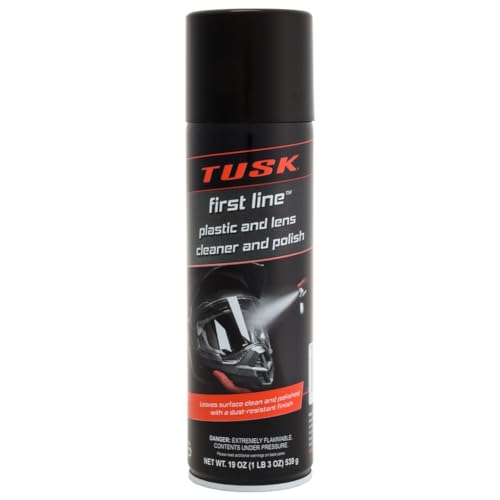


Before You Start
Ensure the UTV is parked in a shaded area and the engine is off. Remove loose dirt with a soft brush before applying cleaners to prevent scratching. Test any cleaner on a small, inconspicuous area first. Wear eye protection if cleaning with chemicals, and avoid abrasive pads that can mar polycarbonate surfaces. Plan for a 15–25 minute cleaning window to avoid rushed work, especially in dusty or buggy environments. Protection for surrounding trim and seals is recommended to prevent cleaner intrusion into seams.
Step-By-Step: How To Clean A UTV Windshield
- Prepare your workspace and gather tools to minimize trips during the cleaning process.
- Rinse the windshield with clean water to remove loose dust and debris.
- Apply a light mist of polycarbonate windshield cleaner spray for UTV across a small section.
- Wipe with a microfiber cloth using straight, overlapping motions from the center outward.
- Address stubborn spots with a damp microfiber cloth or a soft squeegee to lift grime without scratching.
- Turn the cloth frequently to avoid reintroducing debris to the windshield.
- Dry the surface with a clean, dry microfiber cloth to prevent water spots and streaks.
- Inspect for hazing or fine scratches; treat with a second pass if needed, focusing on edges and corners.
- Clean the wiper area and ensure the gasket and seals are free of cleaner residue.
- Polish the edges lightly with a clean, dry cloth to restore clarity and reduce glare.
- Store any used cloths in a dedicated bag to avoid cross-contamination with other cleaning tasks.
- Perform a quick final check in bright light to confirm a crystal-clear finish.
Troubleshooting
| Symptom | Likely Cause | Fix | Prevention |
|---|---|---|---|
| Streaks after cleaning | Dirty cloth or improper drying | Use fresh microfiber and dry thoroughly | Wash cloths regularly, dry with a lint-free material |
| Hazy appearance | Contaminants left on surface or scratches | Spot-clean with cleaner and re-wipe | Avoid abrasive tools, clean in shade |
| Scratches visible | Rubbing with rough material | Use soft microfiber and avoid pressure | Store clean, soft cloths separately |
| Cloudy edges after rain | Residue buildup at seal line | Clean edges with damp cloth and dry | Regular maintenance after dusty rides |
Common Mistakes
- Using household window cleaners that contain ammonia or alcohol on polycarbonate windshields
- Scrubbing with rough pads or old towels that can scratch the surface
- Cleaning in direct sunlight, which can cause rapid drying and streaking
- Skipping a test patch before applying cleaners to the entire windshield
Tips For Best Results
- Always work in a shaded area and use dedicated polycarbonate products designed for UTVs
- Keep microfiber cloths separate for cleaning and drying to prevent cross-contamination
- Wipe with gravity-friendly, vertical or horizontal strokes to avoid swirl marks
- Apply cleaner sparingly; a little goes a long way on polycarbonate
- Periodic maintenance of the windshield, including sealing the edges, helps prevent hazing
Call A Professional
Consider professional help if the windshield shows deep scratches, yellowing, or clouding that does not respond to routine cleaning. Seek a pro for repair or replacement when visibility is impacted or if the polycarbonate has sustained structural damage. If the surface feels sticky or wavy after cleaning, stop and consult a specialist to avoid further harm.
FAQ
Can I use a regular glass cleaner on a UTV windshield?
No. Regular glass cleaners may contain ingredients that degrade polycarbonate or leave residues that attract more dust.
What is the best method to remove stubborn bugs from a UTV windshield?
Pre-treat with a dedicated windshield cleaner spray, let it sit briefly, then wipe with a microfiber cloth in straight passes.
How often should I clean my UTV windshield?
Clean after heavy use or exposure to mud, dust, or bug splatter; a light wipe-down weekly helps maintain clarity.
Are there eco-friendly cleaners for polycarbonate windshields?
Yes, many brands offer biodegradable polycarbonate cleaners; check product labels for suitability with UTV windshields.
Buying Guide
When choosing tools to clean a UTV windshield, consider size, material compatibility, and ease of use. Options include specialized polycarbonate windshield cleaner spray, microfiber cloths, and squeegee window cleaning kits designed for ATVs and UTVs. Evaluate how often you ride in dusty or muddy conditions, as that impacts the frequency of cleanings. Look for streak-free formulas and quick-dry properties to minimize downtime. Consider storage space for your cleaning kit and whether a compact kit fits your vehicle’s cargo area. A well-rounded kit should balance effective cleaning with gentle maintenance of polycarbonate surfaces to preserve clarity and protection against scratches.
Leave a Reply