How to Clean Sterling Silver Ring at Home
Sterling silver rings can lose their luster over time as tarnish and oils build up. With simple at-home steps, you can restore sparkle without stripping or scratching the metal. This guide presents practical methods using common products and safe techniques tailored for American households.
Careful cleaning not only improves appearance but also helps extend the life of delicate filigree or engraved designs. The following sections lay out a quick approach, the tools you’ll need, step-by-step instructions, and tips to prevent future tarnish.
Quick Answer
For most sterling silver rings, use a gentle cleaner or polishing cloth to remove tarnish, followed by a rinse and dry. If tarnish is stubborn, apply a specialized tarnish remover gel briefly, then buff with a ring cloth. Always dry thoroughly to prevent water spots and residual residue.
What You’ll Need
Gather these items before you start. They are effective for routine cleaning and safe for most sterling silver jewelry.
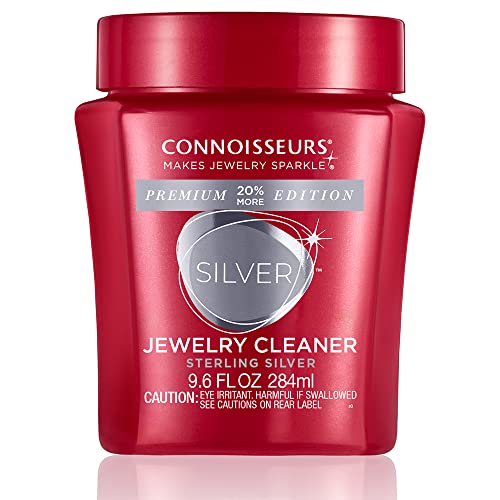
- Sterling silver jewelry cleaner solution for rings 8 oz
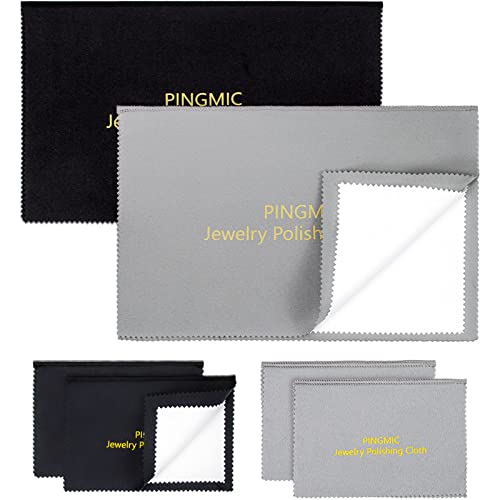
- Sterling silver ring polishing cloth 6×4 inches
- Silver tarnish remover gel for sterling silver rings
Before You Start
Before cleaning, inspect the ring for loose stones or damaged settings. If you notice any loose prongs or cracks, stop and consult a professional. Work in a well-lit area on a soft, clean surface to avoid scratches. A quick test on a small, inconspicuous area is advisable if you’re unsure about a product’s effect on finish. Allow 10–20 minutes for the cleaning process, including drying time.
Safety cautions: Do not soak pieces with glued components or porous materials for extended periods. Rinse thoroughly after using cleaners and dry completely.
Step-By-Step: How To Clean Sterling Silver Ring At Home
- Place the ring on a clean, soft towel to prevent slipping during cleaning.
- Apply a small amount of sterling silver jewelry cleaner solution for rings 8 oz to a soft cloth or the ring’s surface per product directions.
- Gently rub the ring in a circular motion to lift tarnish from the metal surface.
- For engraved or detailed areas, use a soft-bristled brush or the corner of the polishing cloth to reach crevices.
- Rinse the ring under lukewarm running water to remove cleaner residue.
- Dry completely with the sterling silver ring polishing cloth 6×4 inches, buffing to a bright finish.
- If tarnish persists, apply a thin coat of silver tarnish remover gel for sterling silver rings following the product’s instructions, then rinse and dry.
- Inspect for uniform shine; repeat only if necessary to avoid over-cleaning the finish.
- Store the ring in a dry, anti-tarnish pouch or compartment to minimize future tarnish
- Put the cleaned ring back on and admire the restored luster.
- Note any wear patterns or stones that may require professional care in the future.
Troubleshooting
| Symptom | Likely Cause | Fix | Prevention |
|---|---|---|---|
| Dull finish after cleaning | Residue left on surface | Re-wipe with cloth until completely dry | Rinse thoroughly; avoid excess cleaner |
| Swirl marks or micro-scratches | Coarser cloth or abrasive brushing | Use a softer cloth and gentler pressure | Choose high-quality polishing cloths; gentle motions |
| Discoloration after gel cleaner | Overexposure or incompatible finish | Rinse immediately and dry; discontinue use if discoloration recurs | Test a small area first; follow gel directions precisely |
| Stone loosening after cleaning | Over-wetting or aggressive scrubbing near settings | Avoid soaking; use minimal moisture near stones; consult a jeweler | Regular inspections and gentle handling |
Common Mistakes
- Using abrasive cleaners or rough brushes on delicate rings
- Over-soaking jewelry with porous settings or glued elements
- Skipping thorough drying, which invites water spots and micro-tarnish
- Relying on a single method for all tarnish levels; heavy tarnish may require gel treatments
Tips For Best Results
- Clean sterling silver rings regularly to prevent heavy tarnish buildup
- Store separately from other metals to avoid scratching and chemical reactions
- Use a dedicated polishing cloth for sterling silver to maintain luster
- Wear guidance: remove rings before swimming or bathing to reduce exposure to chlorine and chemicals
- If the ring has stones, test cleaning methods on a spare area or seek professional advice for certain settings
Call A Professional
Proceed with professional help if you notice:
- Loose stones or damaged settings
- Extensive tarnish that won’t respond to at-home cleaners
- Intricate designs or antique pieces where safe handling is critical
FAQ
Can I use baking soda to clean sterling silver rings?
Baking soda is not ideal for traditional sterling silver cleaning; it can be abrasive. Use purpose-made cleaners or polishing cloths designed for silver.
Is it safe to clean sterling silver rings with water alone?
A simple rinse with lukewarm water can help, but most tarnish requires a cleaning product or polishing technique for best results.
How often should I clean sterling silver rings?
Clean them every few months for normal wear, or as soon as tarnish appears to maintain shine.
Should I clean sterling silver jewelry with the stones in place?
Yes, but avoid soaking and use gentler methods around settings. If unsure, remove stones or seek professional cleaning.
What is the best storage to prevent tarnish?
Store in a cool, dry place in anti-tarnish pouches or sealed plastic bags with minimal air exposure.
Buying Guide
Choosing the right cleaning approach for sterling silver rings depends on several factors. Consider size, finish, and how often you wear the piece. The following factors help compare products and select a safe, effective option:
- <bSize and ring type: Intricate or large rings may require gentler handling and a softer cloth to reach crevices.
- <bNoise level and ease of use: Simple cloth buffing is quiet and quick, while gel-based products may require a short dwell time.
- <bEnergy efficiency is not a primary concern for cleaning, but choosing minimal-ingredient, gentle formulas reduces waste and environmental impact.
- <bControls: Look for clear instructions, safety warnings, and tests on small areas before full use.
- <bPlacement: Clean in a well-lit area over a soft surface to prevent accidental drops and scratches.
When comparing options, weigh the balance between ease of use, safety for stones and engravings, and the level of tarnish you typically encounter. A basic routine with a polishing cloth and gentle cleaner often covers most needs, with a sealed gel remedy for stubborn cases. If you wear the ring daily, consider a routine that minimizes exposure to chlorine, saltwater, and household chemicals. If in doubt, consult a professional jeweler for personalized recommendations.
Leave a Reply