How to Clean a Toddler Potty Effectively and Safely
Keeping a toddler potty clean is essential for hygiene and encouraging steady potty training progress. A well-cleaned potty reduces germs and makes bathroom time more pleasant for both child and caregiver. This guide outlines practical steps, safe products, and smart habits to maintain a clean potty area in a busy family home.
With the right routine, cleaning a toddler potty becomes quick, predictable, and less stressful. The approach balances child safety with effective sanitation, using gentler products and child-friendly tools designed for small chairs and frequent use.
Quick Answer
Clean after every use with warm water and a gentle spray or wipes. Disinfect once daily using a baby-safe product, then rinse. Sanitize the surrounding area to keep the bathroom fresh for the whole family.
What You’ll Need
- Toilet brush with long handle for toddler potty chair cleaning
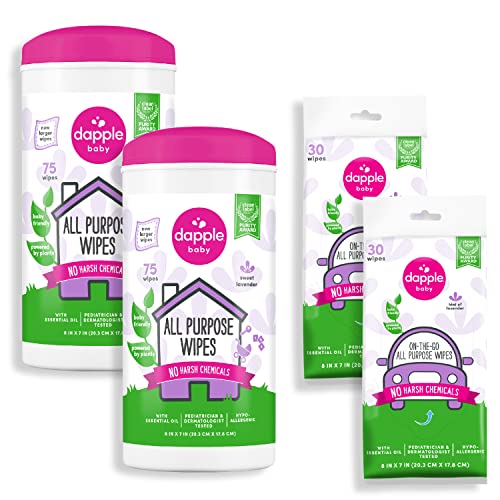
- Baby-safe disinfectant wipes for potty chair cleaning
- Gentle toilet spray disinfectant for children’s potty area

Before You Start
Prepare a dedicated cleaning area near the bathroom or a storage spot in the nursery. Ensure all products are labeled for child safety and kept out of reach when not in use. Time estimates: a quick wipe-down takes 2–3 minutes; a full daily disinfection takes 5–8 minutes. Never mix cleaning products, and ventilate the space during and after cleaning to avoid strong fumes.
Step-By-Step: How To Clean A Toddler Potty
- Put on disposable gloves or wash hands thoroughly before starting any cleaning routine.
- Empty the potty into the toilet bowl if needed, then rinse with warm water to remove visible residue.
- Spray the interior and exterior with a gentle toilet spray disinfectant designed for children’s areas.
- Wipe the surfaces with baby-safe disinfectant wipes, paying extra attention to folds, rims, and handles.
- Use the toilet brush with long handle for toddler potty chair cleaning to scrub hard-to-reach seams gently.
- Rinse the potty with clean water or wipe away residue with a fresh wipe to remove disinfectant traces.
- Dry all surfaces with a clean cloth or allow air drying before reassembling or placing it back in the bathroom.
- Wipe surrounding bathroom surfaces (floor edges, cabinet fronts) to prevent spread of germs from frequent use.
- Dispose of used wipes in a trash can with a lid; seal the waste liner after each cleaning session.
- Store all cleaning supplies out of reach of children and re-check the area for any slippery spots.
- Establish a routine: quick after-use wipe-down, daily disinfect, and weekly deep-clean to maintain hygiene.
Troubleshooting
| Symptom | Likely Cause | Fix | Prevention |
|---|---|---|---|
| Persistent odor | Residual moisture or hidden grime | Increase wipe-down frequency and ensure complete drying | Air out bathroom after cleaning; use a breathable mat |
| Streaky surfaces after wipe | Wipes leaving residue | Switch to a different gentle wipe or rinse afterward | Use fragrance-free products if child has sensitive skin |
| Disinfectant fumes | Overuse or mixing products | Follow label directions and avoid mixing; dilute if required | Ventilate and do cleaning when the child is not present |
| Stains on plastic | Hard water minerals or dye in wipes | Gently scrub with a non-abrasive pad and rinse | Rinse after every use to prevent buildup |
Common Mistakes
- Skipping daily disinfection to save time.
- Using adult-strength cleaners on kid-friendly surfaces.
- Failing to dry surfaces completely, promoting mold or odors.
- Ignoring the surrounding area, which can spread germs beyond the potty itself.
Tips For Best Results
- Choose baby-safe disinfectant wipes for potty chair cleaning and a gentle toilet spray disinfectant for children’s potty area to minimize skin irritation.
- Keep a dedicated cleaning caddy with a toilet brush with long handle for toddler potty chair cleaning and separate wipes for quick touch-ups.
- Involve the child with simple steps, like watching the spray, to build routine without fear.
- Label storage areas and keep supplies at a reachable height for caregivers while secured from children.
- Schedule a weekly deeper clean to address hidden buildup in joints and seams.
Call A Professional
Consider contacting a professional cleaning service if the potty shows persistent odors despite routine cleaning, if you notice mold growth or staining that won’t come off, or if the surface materials are degraded. Also seek help if a child develops a skin reaction to products used in cleaning.
FAQ
What’s the best way to clean a toddler potty after use?
Rinse with warm water, spray with a gentle disinfectant, wipe with baby-safe wipes, and dry completely.
How often should I disinfect the potty?
Disinfect daily using a gentle product and clean thoroughly after every use with wipes.
Can I use regular household cleaners on a toddler potty?
Only if they are labeled as safe for children and plastics; otherwise, use baby-safe options.
What if there is a stubborn stain on the potty?
Scrub gently with a soft brush and rinse; if needed, repeat or use a stain-safe cleaner approved for children’s items.
How should I store cleaning supplies?
Keep out of reach of children, in a closed cabinet or high shelf, away from food areas.
Is it okay to use wipes near a child with sensitive skin?
Yes, but choose fragrance-free, hypoallergenic wipes to minimize irritation.
Buying Guide
When selecting products for cleaning a toddler potty, consider size, material compatibility, and safety. For the tools, a long-handle toilet brush with long handle for toddler potty chair cleaning helps reach all areas without bending. Look for baby-safe disinfectant wipes for potty chair cleaning that are gentle on skin yet effective against germs. A gentle toilet spray disinfectant for children’s potty area should be free of harsh fumes and safe for use around kids and pets. Ensure replacements are compatible with plastic surfaces and non-abrasive to prevent scratching.
Size and capacity matter for diaper pails or small potty spaces; compact bottles reduce clutter. Noise level matters for automatic or spray dispensers if used in a shared bathroom. Energy efficiency is less of a concern for hand-applied products, but choose rechargeable or long-lasting tools to minimize waste. Controls should be simple: labeled spray triggers or wipe dispensers with clear directions. Placement should keep supplies within reach of adults but out of reach of children. Finally, compare ease of use, availability of refills, and compatibility with your bathroom layout to choose the best cleaning setup for a busy household.
Leave a Reply