How to Clean Sunscreen Off Fabric
Sunscreen stains can cling to fabrics, leaving greasy, chalky marks that are tough to remove. This guide covers practical, product-backed steps to lift sunscreen from clothes, upholstery, and linens without damaging the material.
Quick Answer
Act quickly to blot excess sunscreen, treat with a stain remover, and launder as advised on the fabric care label. For stubborn marks, repeat and consider a pre-wash option designed for sunscreen stains.
What You’ll Need
Gather tools and products that target oily residues and are safe for fabrics. The following items are commonly effective for sunscreen stains:
- enzyme laundry stain remover spray for sunscreen fabric stains
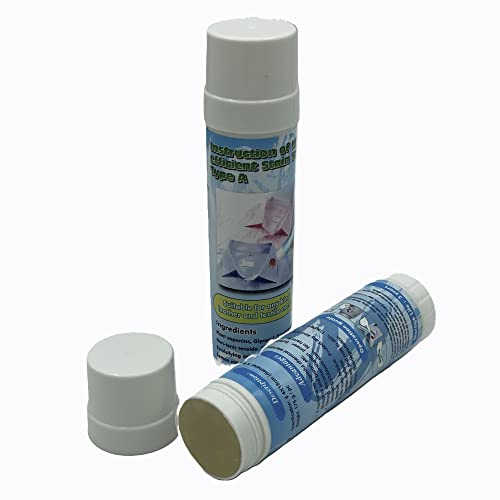
- pre-wash stain remover pen for clothing sunscreen stains
- microfiber cleaning cloth stain remover for sunscreen on fabrics


Before You Start
Check the fabric care label for washing instructions. Test any product on an inconspicuous area to avoid color fading or texture changes. Work in a well-ventilated space, and use cold water to prevent setting oils. If the stain is old or on delicate fabrics, consider professional cleaning instead. Do not mix stain removers with chlorine bleach, which can cause chemical reactions and fabric damage. Time estimate: 15–30 minutes for initial treatment, plus 1–2 wash cycles if needed.
Step-By-Step: How To Clean Sunscreen Off Fabric
- Blot gently with a clean cloth to remove excess sunscreen; avoid rubbing, which can push the stain deeper.
- Rinse the fabric under cold running water from the back of the stain to push the oils outward.
- Apply an enzyme laundry stain remover spray for sunscreen fabric stains to the affected area, following the product’s instructions.
- If a pen-style pre-wash remover is available, apply it directly to the stain and let it sit for the recommended time.
- Gently blot with a microfiber cleaning cloth to lift the loosened stain; repeat as needed without scrubbing.
- Launder the item in cold water with your regular detergent, choosing a normal wash cycle designed for the fabric type.
- Air dry the fabric, then inspect for remaining spots. If traces persist, treat again and rewash. Avoid using heat until the stain is fully removed to prevent setting.
- For persistent residues on hard-to-clean fabrics (like upholstery), repeat the treatment or consider a dedicated stain remover designed for fabrics in contact with sunscreen.
- Once the stain is gone, launder as usual to remove any residue from the treatment products and restore fabric freshness.
Troubleshooting
| Symptom | Likely Cause | Fix | Prevention |
|---|---|---|---|
| Stain remains after first wash | Oil-based sunscreen components are stubborn | Repeat enzymatic treatment and rewash | Treat promptly and pre-treat before drying |
| Discoloration or fading | Overly aggressive scrubbing or bleach contact | Stop scrubbing; switch to mild enzyme remover and cold water | Spot-test products on hidden areas first |
| Stain transfers to other items | Clothes in contact with stained fabric during wash | Rinse stained item separately; use a stain-removal pen on site | Isolate stained items in washloads |
| Fabric roughness after treatment | Excess detergent or harsh chemical | Rinse thoroughly and use a fabric conditioner in a follow-up wash | Adhere to product directions precisely |
Common Mistakes
- Waiting too long to treat sunscreen stains
- Rubbing aggressively, which embeds oils into fibers
- Using hot water on oily stains, which can set them
- Using bleach on colored fabrics or delicate fibers
Tips For Best Results
- Always test stain removers on an inconspicuous area first to avoid color loss.
- For synthetic fabrics, cold or warm water works well; for natural fibers, follow care labels to avoid damage.
- Keep stain-removal products as close to the stain as possible during application to maximize effectiveness.
- If you’re cleaning upholstery or cushions, work with a light hand and blot rather than saturate the fabric.
- Repeat treatments as needed before the stain sets from heat exposure.
Call A Professional
Seek professional cleaning if the stain persists after multiple at-home treatments or if the fabric is highly delicate (silk, wool), valuable, or expensive. Stop using home remedies if you notice color loss, fabric distortion, or odor changes that worsen over time.
FAQ
Can sunscreen stains be removed from all fabrics?
Most fabrics respond to enzyme-based stain removers and pre-wash pens, but delicate textiles may require specialized cleaning or professional care.
Should I use hot water to remove sunscreen stains?
No. Hot water can set oil-based stains. Use cold or cool water and follow product directions.
Is it necessary to wash immediately after applying a stain remover?
Yes. Launder after treatment to remove the stain remover and any remaining residue.
Can I mix stain removers with laundry detergent?
Usually yes, but follow the specific product instructions and avoid combining multiple active chemicals unless stated safe.
What if I don’t have an enzyme stain remover?
Pre-wash stain remover pens or dedicated sunscreen stain products are helpful alternatives, followed by a regular wash.
Is heat safe after treating a sunscreen stain?
Only after the stain is fully removed; heat can set any remaining pigment or oil.
Will sunscreen stains return after washing?
If the stain is completely removed, subsequent washes should be clear; re-treat immediately if you spot remaining residue.
Buying Guide
When choosing products to tackle sunscreen stains, consider size, concentration, and compatibility with fabric types. For effective at-home results, select enzyme-based stain removers designed for oils and cosmetics, and keep a pre-wash pen handy for quick spot treatment. For heavy or repeated sunscreen exposure, a microfiber cloth specifically marketed for stain removal can aid in lifting oils without abrasion. Compare formulas for stain lift power, ease of use, and whether the product is suitable for delicate fabrics, colors, or upholstery. Also evaluate whether the product can be used on multiple fiber types to minimize extra purchases. Lastly, consider the environmental impact and whether concentrated formulas reduce packaging waste.
Leave a Reply