How to Clean Washing Machine Hose
Washing machine hoses can accumulate mineral buildup, mold, and laundry detergent residue over time, potentially impacting drainage and performance. A clean hose helps prevent leaks and improves washing efficiency. This guide provides practical steps, safety notes, and product suggestions tailored for American homes.
Quick Answer
Disconnect power and water, remove the hose from the washer, and flush with clean water or a mild cleaning solution. Use a dedicated brush, a drain hose cleaning kit, and a flexible drain snake to clear clogs. Reconnect securely and test with a brief wash cycle.
What You’ll Need
A quick list of common tools and materials used to clean a washing machine hose:
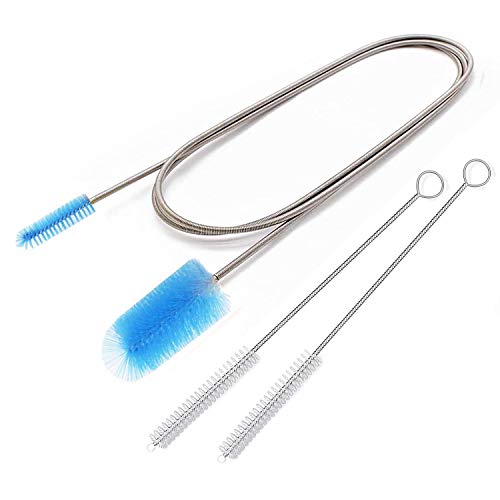
- Washing machine hose cleaning brush
- Washing machine drain hose cleaning kit
- Flexible drain snake for washing machine hose
- Optional: mild detergent, white vinegar, or baking soda for a light cleaning soak
- Rags or towels for moisture control
- Bucket and protective gloves


Before You Start
Before handling hoses, ensure the washing machine is unplugged and the water supply valves are turned off. Place a towel or shallow pan under the hose connection to catch any residual water. Inspect hoses for bulges, cracks, or leaks; replace damaged hoses rather than attempting a repair. Plan about 20–40 minutes for the task, depending on access to the hoses and drainage area. Exercise caution with old rubber hoses—cracks can suddenly spray water.
Step-By-Step: How To Clean Washing Machine Hose
- Unplug the washing machine and shut off the hot and cold water valves.
- Carefully detach the hoses from the back of the washer, placing towels to catch residual water.
- Rinse the inside of each hose with clean water, using a washing machine hose cleaning brush to loosen mineral deposits.
- Prepare a light cleaning solution: a small amount of mild detergent with water, or a mix of white vinegar and water. Rinse hoses again after soaking for 5–10 minutes.
- Inspect the hose ends for threads and seals. Clean the fittings with a brush to remove grime and ensure a tight seal when reattaching.
- Use a washing machine drain hose cleaning kit to clear any blockages near the drain hose end. Follow kit instructions for safe insertion and extraction.
- If a clog remains, insert a flexible drain snake for washing machine hose into the drain hose and rotate gently to dislodge buildup.
- Rinse all parts thoroughly, reattach hoses to the washer, and hand-tighten connections before plugging in the machine.
- Turn the water valves back on, run a short test cycle with no laundry to confirm there are no leaks and proper drainage.
- After testing, wipe down the exterior of the hoses and the washer surface to remove any moisture buildup.
- Record the date of cleaning and inspect hoses every 6–12 months to catch wear early.
Troubleshooting
| Symptom | Likely Cause | Fix | Prevention |
|---|---|---|---|
| Water leaks at hose connection | Loose or worn fittings | Re-seat and tighten; replace washers if present | Check connections after each major wash cycle |
| Slow drainage or standing water | Clogged drain hose or pump filter | Clear with drain snake or kit; clean pump filter | Regular hose and drain maintenance |
| Visible bulge or cracks | Old/damaged hose | Replace with a reinforced hose | Inspect hoses annually |
| Strong odor from washer area | Mold or mildew in hose or fittings | Clean with vinegar solution; ensure dry after use | Leave area dry and ventilated |
Common Mistakes
- Using excessive force when removing hoses, which can strip fittings or crack connectors.
- Neglecting to turn off the water valves, causing bursts when hoses are removed.
- Not drying hoses after cleaning, leading to mold growth.
- Forcing a clog with metal tools that can damage the hose or pipe.
Careful handling and routine maintenance help extend hose life and prevent leaks. Always follow manufacturer guidance for your washer model.
Tips For Best Results
- Schedule annual hose maintenance to prevent buildup and leaks.
- Replace rubber hoses every 5–7 years or as recommended by the manufacturer.
- Keep a small supply kit with cleaning brushes and a drain snake for quick maintenance.
- Use a mild cleaning solution to avoid degrading hose materials over time.
- Label hoses if you have multiple connections to simplify reassembly.
Call A Professional
Consult a professional if you notice persistent leaks despite tightening fittings, if you encounter a persistent clog that your drain snake cannot clear, or if the hose shows extensive wear or bulging. Do not attempt high-pressure cleaning that could damage the hose or washer components. Seek help promptly for safety and appliance protection.
FAQ
How often should I clean washing machine hoses?
Inspect and clean hoses at least once a year, or more often if you notice odors, leaks, or slow drainage.
Can I use bleach to clean washing machine hoses?
Avoid concentrated bleach; use mild detergents or a vinegar solution to prevent hose material damage.
What signs indicate a hose needs replacement?
Cracks, bulges, leaks, or a history of frequent clogs are clear signs to replace hoses.
Is a drain snake safe for plastic hoses?
Yes, when used gently and according to kit instructions. Avoid aggressive poking that could puncture the hose.
Do I need to disconnect hoses every time I wash?
No, but regular inspection and occasional cleaning help maintain performance and prevent leaks.
Buying Guide
When selecting products for washing machine hose maintenance, consider several factors to fit your setup and budget:
- <bSize and compatibility: Ensure the hose cleaning brush and drain hose kit fit standard washing machine hose connectors common in the United States.
- <bNoise and ease of use: Tools that are simple to operate reduce setup time and frustration, especially in small laundry spaces.
- <bDurability and material: Choose robust brushes and flexible snakes designed for domestic use to minimize wear on hoses.
- <bEnergy and water considerations: Maintenance tasks should minimize water waste; use a small amount of cleaning solution and collect runoff when possible.
- <bControl and accessibility: Look for tools with ergonomic handles and clear instructions for safe use.
- <bPlacement: Keep cleaning supplies near the washer area for quick access; store hoses properly to prevent kinks and damage.
In practice, pairing a dedicated washing machine hose cleaning brush with a reliable drain hose cleaning kit and a flexible drain snake provides a complete maintenance setup. If your space has hard-to-reach hoses, consider kits with longer reach and flexible components. Ask yourself: does this setup minimize downtime and maximize drain reliability?
Leave a Reply