How to Clean Easy Breeze Windows Safely and Effectively
Clean windows make every room feel brighter and more open. This guide focuses on practical, American-friendly steps to achieve streak-free results on Easy Breeze windows, using common tools and a few specialty items. The approach prioritizes gentle methods that protect glass and frame materials while delivering clear, sparkling views.
Quick Answer
Assemble a lightweight extension pole window cleaning kit with a 12-inch squeegee and microfiber scrubber, a microfiber window cleaning cloth, and a streak-free glass cleaner spray. Work from top to bottom in vertical strokes, rinse with a damp microfiber cloth, and finish with a final squeegee pass for a spotless, streak-free finish.
What You’ll Need
- Extension pole window cleaning kit with 12-inch squeegee microfiber scrubber
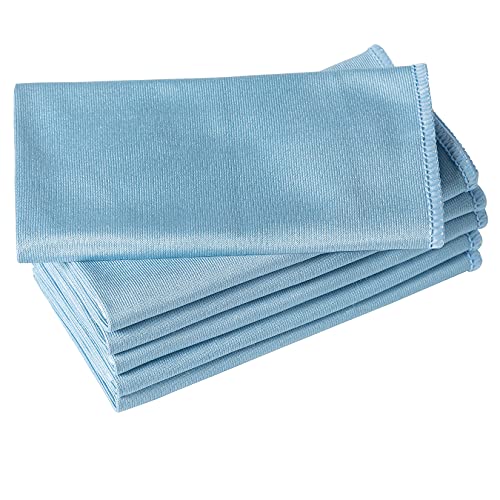
- Microfiber window cleaning cloth 16×16 lint-free for glass
- Streak-free glass cleaner spray 32 oz


Before You Start
Prepare a clean, sheltered area for drying and place a drop cloth or old towels beneath windows to catch drips. Protect window sills and frames with painter’s tape if you are worried about splashes on surrounding surfaces. Test a small, inconspicuous area first to confirm the cleaner won’t damage coatings. Time estimates vary by window size, but plan 20–40 minutes for a standard two-story home’s interior and exterior panes in good condition. Always wear gloves if you have sensitive skin and ensure good ventilation when using spray cleaners.
Step-By-Step: How To Clean Easy Breeze Windows
- Remove loose dust with a dry microfiber cloth or feather duster to prevent mud spray when wetting the surface.
- Attach the 12-inch squeegee head to the extension pole and apply a light mist of streak-free glass cleaner to the glass.
- Begin at the top edge and work in vertical, overlapping strokes from left to right, ensuring each pass covers the previous one.
- Wipe the squeegee blade with the microfiber scrubber after every couple of strokes to remove built-up residue and prevent streaks.
- For corners and edges, switch to the microfiber cloth and wipe in a circular motion to lift remaining dirt.
- Rinse the glass with a fresh microfiber cloth dampened with clean water to remove cleaner residue.
- Return to the squeegee and pull downward in smooth, even motions, wiping the blade after each pass for a streak-free finish.
- Inspect the glass from multiple angles to catch any missed spots, repeating targeted spots as needed.
- Dry the windows with a clean, dry microfiber cloth or a dedicated drying towel to prevent water spots in bright light.
Troubleshooting
| Symptom | Likely Cause | Fix | Prevention |
|---|---|---|---|
| Streaks after cleaning | Cleaner residue or damp cloth | Wipe with a dry microfiber cloth and re-squeegee | Use a small amount of cleaner and change cloths frequently |
| Cloudy or hazy glass | Water spots or mineral deposits | Rinse thoroughly, dry promptly | Use distilled water if hard water is an issue |
| Blade leaves marks | Dirt on blade | Clean blade with microfiber scrubber | Keep blade clean between sections |
| Streaks along edges | Improper blade angle | Angle blade slightly and maintain constant pressure | Practice with a spare pane or panel |
Common Mistakes
- Cleaning in direct sun or on hot glass, which causes rapid drying and streaks.
- Over-wetting the glass, leading to water spots as it dries.
- Using harsh solvents that can damage coatings or frames.
- Neglecting to wipe the blade and tools between sections, leaving smudges behind.
Tips For Best Results
- Work on cool, overcast days or early morning/evening to avoid rapid drying.
- Pre-wet the cloths and squeegee to keep cleaning fluids consistent across panels.
- Clean the window frames and tracks to reduce re-soiling next time.
- Angle squeegee toward the area you’ve just wiped to prevent streaks.
- Keep a dedicated drying cloth handy for final polish on the waterline for a flawless finish.
Call A Professional
Consider a professional if windows are severely PD or framed with delicate materials, or if exterior panes are high or difficult to reach safely. Stop and call a pro if you notice cracked glass, damaged seals, or persistent haze that does not respond to standard cleaning. For stubborn stains or hard-to-reach areas, a professional service can assess and treat without risking damage to Easy Breeze windows.
FAQ
What is the best method to avoid streaks on glass?
Use a clean microfiber cloth and a high-quality streak-free cleaner; work top to bottom with consistent pressure and a final downward squeegee pass.
Can I use hot water for cleaning windows?
Hot water can speed up drying but may cause streaks if cleaners dry too quickly; lukewarm water is typically best.
Should I clean windows on a cloudy day?
Yes, cloudier conditions reduce rapid drying and help prevent streaks caused by heat or sun.
Is it necessary to dry with a cloth after using a squeegee?
Yes, drying with a microfiber cloth removes any remaining moisture and eliminates potential water spots.
How often should I clean Easy Breeze windows?
Depend on climate and exposure, but a thorough monthly cleaning is a good baseline for most homes.
Can I use vinegar as a cleaner?
Vinegar can be effective in some cases, but test first to ensure it doesn’t affect coatings or sealants on your windows.
What should I do if edges remain hazy after cleaning?
Spot-clean the edges with a damp cloth and re-wipe with the squeegee, focusing on blade angles to minimize haze.
Buying Guide
Choosing the right tools for Easy Breeze windows helps maintain clarity and extend the life of the glass and surrounding frames. Consider size, noise, energy use, and placement for best results.
- <bSize and reach: An extension pole with a 12-inch squeegee offers good control on most standard windows, reducing ladder use for second-story panels.
- <bNoise level: Look for quiet spray bottles and smooth-swing squeegees to reduce disruption in living spaces.
- <bEnergy efficiency: Reusable microfiber cloths and low-waste spray cleaners save resources and support environmental goals.
- <bControls and ergonomics: Ergonomically designed handles and well-balanced poles minimize strain during longer cleaning sessions.
- <bPlacement and storage: Choose compact kits that store easily in a cleaning closet or garage without protruding edges.
When comparing options, think about how often you clean, window height, and whether you’ll clean interior, exterior, or both. A combined kit that includes the extension pole, squeegee, microfiber scrubber, and lint-free cleaning cloth can cover most residential needs. If you manage large panes or tall houses regularly, you might prioritize reach and ease of use over extra attachments.
Leave a Reply