How to Deep Clean Sheets for Fresh, Hygienic Bedding
Clean sheets are essential for comfortable sleep and healthy hygiene. This guide walks through practical steps to deeply clean bed sheets, using common household tools and practical products. Each section provides actionable steps, safety notes, and tips to keep sheets soft, bright, and free from odors and microbes.
Quick Answer
To deeply clean sheets, start with a thorough wash using hot water (as allowed by fabric care tags) and a gentle detergent. For extra cleaning power, pre-treat stains with an enzyme laundry stain remover spray for bed sheets, then follow with a laundry sanitizer for sheets spray to kill remaining germs. If lines or wrinkles bother you, finish with a handheld garment steamer for linens to remove creases. Always dry sheets fully on a low to medium heat setting, and repeat monthly for best results.
What You’ll Need
- Detergent suitable for sheets
- Enzyme laundry stain remover spray for bed sheets
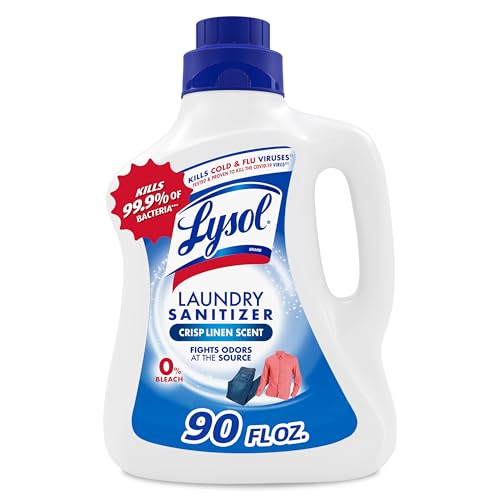
- Laundry sanitizer for sheets spray
- Water appropriate for the fabric (hot water if safe for the material)
- Optional fabric softener or dryer balls
- Handheld garment steamer for linens


Before You Start
Check garment care labels on all sheet sets. Most cottons and blends tolerate hot water, but delicate fabrics like satin or silk require cooler temps. Pre-treat any visible stains with enzyme stain remover spray, following product directions. Protect surfaces and hands when applying cleaners, and ventilate the room if using sprays. Plan for a full wash cycle plus drying time; typical full process takes 1.5 to 3 hours depending on washer/dryer performance and sheet thickness.
Step-By-Step: How To Deep Clean Sheets
- Strip the bed and gather sheets and pillowcases for a single wash load to avoid overloading the machine.
- Check care labels for temperature guidance; set the washing machine to the hottest temperature allowed for your fabrics.
- Apply enzyme laundry stain remover spray for bed sheets to any visible stains. Let it sit for 5–10 minutes to break down organic residues.
- Place the sheets in the washer with the recommended amount of detergent. Add the laundry sanitizer for sheets spray as directed to boost germ-killing action.
- Run a full wash cycle on the chosen warm/hot setting, allowing a thorough rinse to remove loosened soils and cleaning agents.
- If odors persist, run an extra rinse cycle or a second rinse in clean water without detergent to remove residue.
- Remove sheets promptly after washing and shake out excess moisture to reduce wrinkles.
- Dry sheets according to fabric care: tumble on low or medium heat, or line dry if possible. Remove promptly to minimize wrinkling.
- Once dry, use a handheld garment steamer for linens to smooth wrinkles and refresh fabrics. Pass the steamer slowly over sheets, keeping a safe distance from the fabric.
- Fold and store sheets in a clean area, away from moisture and strong odors to preserve freshness between uses.
- For ongoing freshness, consider a monthly deep clean cycle, especially in warm climates or high-use households.
Troubleshooting
| Symptom | Likely Cause | Fix | Prevention |
|---|---|---|---|
| Persistent odors after washing | Insufficient rinsing or buildup | Increase rinse cycles or run an extra rinse; rewash with sanitizer | Clear detergent residue; use appropriate water temperature |
| Stains remain after pre-treating | Stain type not fully treated or old stains | Reapply enzyme spray and let sit longer; repeat wash | Pre-treat new stains promptly |
| Sheets feel stiff after drying | Detergent residue or hard water | Use less detergent or add an extra rinse; consider water softener | Follow manufacturer’s detergent guidelines |
| Wrinkles after air drying | Overdrying or lack of smoothing | Transition to a shorter tumble cycle or use a steamer | Remove promptly when dry enough to avoid setting wrinkles |
Common Mistakes
- Using overly hot water on delicate fabrics, causing shrinkage or damage
- Skipping the pre-treat for visible stains, leading to persistent marks
- Overloading the washer, which reduces cleaning effectiveness
- Drying on high heat, which can wear out fibers faster
- Neglecting to use a sanitizer when high hygiene is desired (e.g., during illness or all-season allergies)
Tips For Best Results
- Pre-treat stains as soon as possible using the enzyme stain remover spray before washing for best stain removal.
- Pair a laundry sanitizer for sheets spray with a regular detergent to boost hygiene without harsh chemicals.
- Rotate between breathable cotton and microfiber sheets; follow care guidelines to maintain softness.
- Use a handheld garment steamer to refresh sheets between washes, especially to remove rest wrinkles and odors.
- Store clean sheets in a dry, clean space with good air circulation to maintain freshness.
Call A Professional
Consider professional help if sheets show persistent staining or discoloration despite repeated treatments, or if the fabric shows signs of damage such as tears or heavy fading. If you are unsure about heat tolerances for delicate materials or if you repeatedly encounter shrinking after washing, consult a professional cleaner or the fabric manufacturer’s care guidelines.
FAQ
Can I deep clean sheets with hot water?
Yes, if the fabric care label allows hot water, it helps remove oils and germs more effectively.
Do I need to use both stain remover and sanitizer?
Using both can enhance stain removal and microbial control, especially during illness or in households with multiple sleepers.
How often should I deep clean sheets?
Deep cleaning monthly is a good baseline, with more frequent cleaning for high-odor environments or shared spaces.
Is a steamer necessary for sheets?
Not always, but a handheld steamer helps remove wrinkles and refresh fabrics without extra washing cycles.
Buying Guide
When choosing products and equipment for deep cleaning sheets, consider size, noise level, energy efficiency, controls, and placement. For performance, pairing a strong enzyme stain remover spray for bed sheets with a reliable laundry sanitizer for sheets spray provides robust stain and germ control. A handheld garment steamer for linens adds convenience for quick refreshes and wrinkle removal. If space is limited, a compact steamer is ideal. For large households, a high-capacity washer with efficient rinse options reduces energy and water use. Opt for scent-free or low-fragrance formulas if sensitivity exists, and ensure products are suitable for the fiber type of your sheets.
Leave a Reply